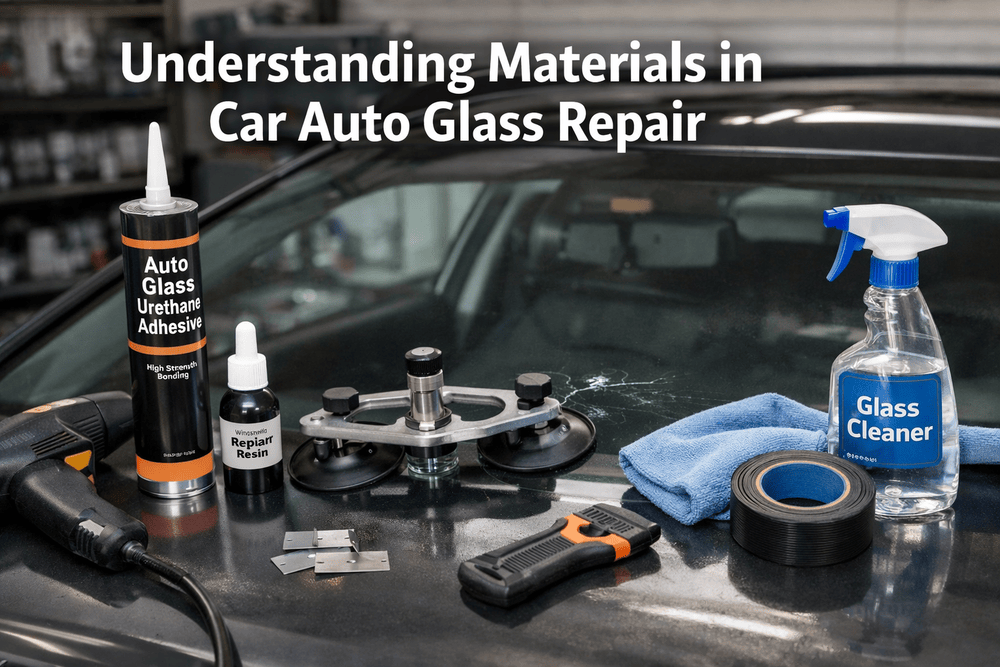
Understanding Materials in Car Auto Glass Repair
Auto glass replacement has evolved significantly beyond the simple act of swapping damaged windshields. Today’s industry stands at the intersection of advanced technology, changing consumer expectations, safety regulations, and environmental considerations. This comprehensive examination explores the multifaceted transformation occurring within the auto glass replacement sector, highlighting the innovations and market forces that are redefining how vehicles maintain their most critical transparent components.
Get An Auto Glass Replacement Quote Now 866.278.7417

Windshield Replacement & Repair
Our competitors push you into going to their shop to get your glass fixed-making it cheaper for them. We make it easier for YOU to get back on the road by offering free mobile repairs at your home or work. With our free mobile services servicing the entire Orange County & Los Angeles area, we can often handle your windscreen replacement the same day! So the next time you need a windshield replacement, give us a call.
Talk to a Windshield Replacement Specialist Now 866.278.7417

Calibration
Calibration is the process of returning a vehicle’s ADAS to OEM specifications. Calibration is necessary after a new glass installation, particularly a windshield with a camera mounted to it, to ensure that the ADAS features continue to function properly despite having been moved during installation. If a car’s ADAS is not properly calibrated, the system may not function safely. A misaligned camera could jeopardize the functionality of the system and lead to dangerous driving or accidents, so it is crucial that the cameras are aligned perfectly, which is what windshield calibration ensures.
Talk to a Calibration Specialist Now 866.278.7417

Fleet Auto Glass Repair
We provide expert auto glass repair and windshield replacement services for commercial fleets of all sizes. We are experienced with all manufacturers and machine types of domestic or foreign cars, trucks, vans, or commercial vehicles, including heavy equipment. Our same day mobile auto glass and windshield repair service will enable you to get back on the road faster and start saving you time and money instantly. Give us a call today! We are here to help!
Talk to a Fleet Auto Glass Specialist Now 866.278.7417
The Auto Glass Structure
Knowing what you’re mending is helpful before you start using repair supplies. Laminated safety glass, which consists of two layers of glass with a plastic interlayer in between, is what modern windshields are made of. In the event of an accident, this design prevents the glass from breaking into hazardous fragments.
The outermost layer of glass is exposed to the elements and usually becomes damaged first. Although tiny fractures and chips may pierce this layer, they often halt before they reach the plastic interlayer. Instead of being replaced, they are excellent candidates for repair.
Tempered glass, which is used for side and rear windows, has to be replaced entirely since it breaks easily. For this reason, laminated windshields are the target of particular repair materials and methods.
Cleaning and Preparation Supplies: Appropriate surface preparation is essential for a successful restoration. Before applying resin, technicians clean and prepare the damaged area using a variety of products.
Glass Cleaners and Solvents: Expert glass cleaners clear the damaged area of debris, oils, and filth. Automotive glass cleaners totally evaporate without leaving any trace, unlike domestic glass cleaners that could impede the resin bonding process.
As a last cleaning process, isopropyl alcohol makes sure that all impurities have been removed from the glass surface. This is an important step since any residue between the glass and resin weakens the connection.
Removers of Moisture and Desiccants
The adversary of resin is moisture. Even very small quantities of water in a chip or fracture may obscure the repair and hinder good bonding.
To eliminate moisture from damage, technicians might utilize vacuum pumps or compressed air. Desiccant materials, which absorb moisture during the repair process, are included into some repair methods.
Materials for Tools and Equipment: Although they are not consumables like resin, the materials used in repair tools have a direct impact on the quality of repairs.
Bridge and Injector Systems: The injector tool is secured above the injured region by the bridge system. Resilient metals or reinforced polymers that can sustain repeated usage and retain exact placement are used in high-quality bridges.
The cylinders, seals, and pistons used in injectors are composed of resin-resistant materials. These elements provide the pressure and vacuum required to extract air from damaged areas and introduce resin deeply into fissures.
Curing Lamps: Specialized bulbs that produce light in the UV-A spectrum (around 365 nanometers) are used in UV curing lamps. Reflectors in the lamp housing are composed of materials that effectively focus UV light onto the repair area while preventing excessive heat accumulation. The materials used in high-quality lamps are resistant to UV deterioration over time, guaranteeing reliable curing performance for hundreds of repairs.
Materials for Pit Filling and Polishing: Surface damage often necessitates the use of materials other than ordinary resin. Pit fillers use ultra-clear resins or specialty compounds made especially for surface repair.
The optical characteristics of these materials are remarkably similar to those of glass. Fine abrasives suspended in carrier materials are found in polishing compounds. Glass polishing often uses cerium oxide to eliminate faint haze and merge mended areas with the surrounding glass.
Do you have a Question?
Get An Auto Glass Replacement Quote Now 866.278.7417
Sealants and Adhesives
Additional materials are needed for some repairs in order to secure glass or stop moisture ingress.
Urethane Adhesives: Urethane adhesives provide strong, flexible bonding for windshield repairs that entail edge damage or that need for anchoring loose glass shards. These materials maintain their adherence even in the face of high temperature changes and vehicle vibration.
Waterproofing Sealants: To keep moisture out of partially closed gaps, technicians may apply transparent sealants around mended sections. High-quality sealants don’t yellow when exposed to UV light and stay flexible.
Material Quality Is Important: Repair materials are not all made equal. Professional-grade and consumer-grade materials vary significantly.
Professional materials are put through a thorough testing process to determine their temperature stability, adhesive strength, optical clarity, and UV resistance. They adhere to industry norms established by groups such as the Auto Glass Safety Council.
Low-quality resins used in inexpensive repair kits found at car parts shops sometimes turn yellow over time, don’t adhere as well, or leave noticeable deformities. Although they are less expensive initially, subpar materials usually lead to repairs that are ineffective or ugly.
Environmental Considerations: Environmental responsibility is becoming more and more important in modern repair materials. Compared to earlier formulas, many professional-grade resins now have reduced volatile organic compound (VOC) concentrations.
Bio-based resins, which contain renewable resources without compromising performance, have been produced by some firms. These developments preserve the strength and clarity required for safe restorations while lessening the environmental effect of vehicle glass repair.
It’s also important to dispose of leftover resin and cleaning solutions properly. To avoid contaminating the environment, professional shops handle these materials according to regulations.
How Much Time Do Repair Materials Last
When used correctly, high-quality repair supplies ought to prolong the life of your windshield. When protected from the environment, UV-cured resins do not deteriorate noticeably over time. However, lifespan is influenced by a number of factors:
The placement of the repair is important since damage close to the borders of the windshield is subjected to more stress and may fail sooner than fixes in the middle. Repairs may be strained by extreme temperature swings, especially in areas with severe winters and scorching summers.
The most important factor is resin quality. While lesser materials may discolor, shatter, or lose adherence in a matter of months, premium resins retain their bond strength and purity for years.
Selecting High-Quality Repairs: Inquire about the materials the company employs when you require vehicle glass repair. Reputable technicians must to be able to identify the kind of resin they use and provide an explanation for their selection.
Seek for stores that employ products from reputable producers with a track record of success. When compared to generic alternatives, brands that specialize in vehicle glass repair usually provide better goods.
Don’t let pricing be your only consideration. If the repair fails and a new windshield is needed, the few dollars saved by going with a less expensive option often end up costing more in the long run.
Beyond the Content
Inadequate technique cannot be made up for even the finest materials. Understanding how resins act, identifying which materials work best for certain sorts of damage, and carefully carrying out each process are all necessary for proper restoration.
Technicians learn how to optimize material performance via professional training programs. They gain knowledge about ideal curing periods, appropriate pressure and vacuum levels, and how environmental factors impact material behavior.
Whether your repair leaves you with a noticeable flaw that obstructs your vision or restores the strength and clarity of your windshield depends on the mix of high-quality materials and expert application.
Safeguarding Your Investment: The resin in your windshield need time to completely cure and bind after repair. For at least 24 hours, the majority of stores advise against vehicle washes and drastic temperature fluctuations.
Keep your windshield clean, but stay away from abrasive cleansers and strong chemicals close to the repair area. Even though cured resin is long-lasting, the repair may be jeopardized if undue tension is applied during the early bonding phase.
Maintaining appropriate windshield washer fluid levels, clearing debris, and changing old wiper blades are all examples of routine windshield care that helps safeguard your repair investment and stop further damage.
Making Informed Repair Decisions: Being aware of the materials used in auto glass repair gives you the ability to make wise decisions about the security of your car. Professional-grade tools, high-quality resins, and appropriate preparatory materials set successful repairs apart from unsuccessful ones.
Technologies and Types for Dependable Repairs
The windshield on your automobile does more than just protect you from the elements. It is an advanced piece of safety gear that helps release airbags, maintains the structural integrity of your car, and shields you from harm in crashes.
Knowing the different kinds of glass and repair methods accessible when damage occurs enables you to make well-informed choices about the safety of your car. Since the beginning of automobile manufacture, modern car glass has seen substantial change.
In order to safeguard people, what began as basic plate glass has evolved into sophisticated safety systems. Understanding the variations in glass kinds and repair techniques can guarantee that you get high-quality treatment that upholds your car’s safety regulations, regardless of how big the chip is or if you’re thinking about replacing it entirely.
Auto glass types include laminated glass, which is the industry standard for windshields and is becoming more and more popular for side and rear windows. This kind of glass is made up of two glass layers joined by a plastic interlayer, usually polyvinyl butyral (PVB).
The glass pieces are held together by the plastic layer when impact occurs, preventing them from flying inside the cabin. Beyond safety, its structure offers a number of advantages.
In addition to blocking harmful UV rays and reducing noise transmission, laminated glass keeps the windshield in place even after a strong impact. Additionally, certain sorts of damage may be repaired thanks to the interlayer, which is not possible with other kinds of glass.
Tempered Glass: Tempered glass is four to five times stronger than regular glass because it is heated and quickly cooled. Tempered glass is used in the majority of side and rear windows because it breaks into tiny, mostly innocuous bits rather than sharp fragments.
This feature shields passengers in the event of a rollover or side-impact collision. There is a cost associated with this safety function, however.
Tempered glass that has been broken cannot be fixed; it has to be replaced completely. Because of the internal tensions produced during the tempering process, even a little chip will ultimately cause the whole panel to shatter.
Types of Auto Glass Damage That Are Common
Knowing the different kinds of damage helps in deciding whether replacement or repair is required. Chips are tiny, non-spreading points of impact. These usually happen when pebbles or other debris strike the windshield. As long as they are out of the driver’s direct line of sight, most chips smaller than a quarter may be fixed.
Lines that emerge at an impact site or as a result of tension are called cracks. Depending on where and how deep they are, cracks that are less than three inches may be repairable.
Cracks must be replaced once they are longer than this or approach the edge of the windshield. A core impact point with several radiating fractures is a characteristic of star breaks. If they are minor and not in important viewing areas, they may often be fixed.
Bull’s eyes are round divisions between the plastic interlayer and the outer glass layer. When detected early, they react well to repair methods. Combination breaks, which usually call for replacement rather than repair, comprise many forms of damage in one location.
Contemporary Auto Glass Repair Technologies: Resin Injection Systems: The first step in a professional repair is resin injection, which uses a specially made acrylic compound to cover the damaged region.
In order to prevent any moisture or debris from jeopardizing the repair, technicians begin by carefully cleaning the damage location. After that, they produce a vacuum to extract air from the injured region.
Under pressure, the resin is pumped into the injured area, filling up tiny holes and fractures. The resin is cured by UV radiation or sunshine, which forms a permanent connection with the surrounding glass. When done properly, high-quality resins make repairs almost unnoticeable since they closely match the glass’s refractive index.
Do you have a Question?
Get An Auto Glass Replacement Quote Now 866.278.7417
Tools for Bridges and Injectors
Expert specialists accurately place the injector over the injury using sophisticated bridge systems. These instruments keep the glue from extending beyond the injured region and provide constant pressure throughout the repair procedure.
Contemporary bridges include movable parts that can adapt to different kinds of damage and windshield shapes. They guarantee the injector’s stability during the crucial curing period, which has a direct impact on the lifespan and quality of repairs.
UV Curing Technology: The resin curing process is accelerated and finished by ultraviolet light. Certain wavelengths are delivered by professional-grade UV lamps, which initiate the chemical hardening process of the resin. Although natural sunshine may cure the resin over a longer amount of time, our technique enables repairs to reach full strength rapidly.
Because insufficient curing might result in yellowing, decreased clarity, or poor repairs that fail too soon, the curing process is crucial. Reputable repair businesses make investments in the right UV equipment to guarantee reliable outcomes.
Advanced Windshield Technologies: Heated Windshields: Heating elements implanted in the windshields of many cars enable fast defrosting or de-icing of the glass. The electrical system of your car is connected to these tiny wires or transparent conductive layers that are incorporated during production.
To prevent harming these components, extra caution must be used while repairing heated windshields. Technicians need to be aware of how the heating system is laid up and make sure that repair materials don’t affect how it works. Complete windshield replacement is often required when heating components are damaged.
Heads-Up Display (HUD) Glass: By projecting data onto the windshield, HUD systems enable drivers to observe navigation, speed, and other information without taking their eyes off the road. To avoid duplicate images, these windshields use extra layers or carefully treated glass.
Cameras and Rain Sensors
Sensors and cameras installed behind the glass are becoming more and more common in modern cars. Lane departure alerts, collision avoidance, automatic wipers, and other safety features are supported by these systems.
For cars equipped with these technologies, replacing the windshield requires correct recalibration after installation. Even fixes close to sensor locations may have an impact on how well they work. After any glass work, professional businesses have the tools and knowledge to guarantee these systems operate as intended.
When to Repair vs. Replace: Whether repair or replacement is the best course of action depends on a number of criteria. Damage less than a dollar note may usually be repaired, while bigger damage usually needs to be replaced.
Location is similarly crucial; damage over sensors, near the edge of the windshield, or in the driver’s direct line of sight may need repair regardless of size. Repairability is also impacted by depth.
Damage that penetrates both layers of glass cannot be successfully fixed. This choice is also influenced by the age and condition of the windshield; older windshields that have had several repairs or have substantial pitting may be better suited for replacement.
Since prompt repairs save more costly replacements, insurance coverage often includes free windshield repair. However, depending on your coverage, deductibles can be applicable whenever a windshield has to be replaced.
Selecting a Trustworthy Repair Service: Auto glass repair companies differ greatly in quality. Seek for stores that utilize glass from the Original Equipment Manufacturer (OEM) or premium aftermarket substitutes that either match or surpass OEM requirements. A shop’s trust in their work is shown by their lifetime guarantees on both materials and craftsmanship.
The Auto Glass Safety Council and other organizations’ certifications attest to the technicians’ appropriate training. Although they are more convenient, mobile repair services make sure to maintain the same standards of quality as those located in permanent sites.
Shops that promise suspiciously cheap pricing or urge you into needless replacements should be avoided. Proper processes and high-quality materials are expensive, and cheap providers sometimes take shortcuts that jeopardize your safety.
Maintaining Your Auto Glass
Maintaining your windshield on a regular basis lowers the chance of damage and increases its lifespan. To avoid scratches from exposed metal or worn rubber, replace wiper blades every six months. Use car glass cleaner to clean your windshield on a regular basis since household items may harm coatings or tinting.
If at all feasible, park in shady spots to lessen the heat stress that might spread already-existing chips. Steer clear of abrupt temperature fluctuations, such as applying hot air to a frozen windshield. Before they become irreversible fissures, little chips should be fixed right away.
Repair any damage right away. Small chips may spread quickly due to temperature changes, road vibrations, and stress from regular driving. A chip that can be repaired may be replaced in a matter of days.
Safeguarding Your Investment and Safety: Just as important as your brakes or tires, your windshield has to be maintained. Making educated selections when damage arises is facilitated by having a thorough understanding of glass varieties, technology, and restoration techniques.
When damage is immediately repaired, modern vehicle glass repair equipment may restore the integrity of your windshield. Select seasoned experts who use appropriate methods and high-quality materials. You can safeguard your investment and the security of all occupants of your car by keeping your auto glass in good condition and promptly fixing any damage.
Mobile Safe Auto Glass
14241 E Firestone blvd suite 400,
La Mirada, CA 90638
Phone: (562) 608-1154
Toll Free: 1 866 278 7417
Mail: sales@mobilesafeautoglass.com
Get a FREE QUOTE today! You can get a free quote and schedule 24/7 using this free quote wizard.
Mon – Fri 8am – 5pm
Saturday 8am – 1pm
Sunday Closed