Preventing Future Damage After Car Auto Glass Repair
You’re relieved that the chip or crack in your car’s window or windshield has been replaced after having it repaired recently. The effort doesn’t stop there, though. After auto glass repair, proper maintenance is necessary to make sure the repair lasts and your windshield stays secure and structurally sound. By driving too soon, exposing the glass to high temperatures, or neglecting basic maintenance procedures, many drivers unintentionally jeopardize their restorations. These errors may result in costly replacements, ongoing damage, and even road safety risks. With the help of this tutorial, you can prolong the life of your auto glass and prevent future issues by following these easy procedures to protect it after repair.
Get An Auto Glass Replacement Quote Now 866.278.7417

Windshield Replacement & Repair
Our competitors push you into going to their shop to get your glass fixed-making it cheaper for them. We make it easier for YOU to get back on the road by offering free mobile repairs at your home or work. With our free mobile services servicing the entire Orange County & Los Angeles area, we can often handle your windscreen replacement the same day! So the next time you need a windshield replacement, give us a call.
Talk to a Windshield Replacement Specialist Now 866.278.7417

Calibration
Calibration is the process of returning a vehicle’s ADAS to OEM specifications. Calibration is necessary after a new glass installation, particularly a windshield with a camera mounted to it, to ensure that the ADAS features continue to function properly despite having been moved during installation. If a car’s ADAS is not properly calibrated, the system may not function safely. A misaligned camera could jeopardize the functionality of the system and lead to dangerous driving or accidents, so it is crucial that the cameras are aligned perfectly, which is what windshield calibration ensures.
Talk to a Calibration Specialist Now 866.278.7417

Fleet Auto Glass Repair
We provide expert auto glass repair and windshield replacement services for commercial fleets of all sizes. We are experienced with all manufacturers and machine types of domestic or foreign cars, trucks, vans, or commercial vehicles, including heavy equipment. Our same day mobile auto glass and windshield repair service will enable you to get back on the road faster and start saving you time and money instantly. Give us a call today! We are here to help!
Talk to a Fleet Auto Glass Specialist Now 866.278.7417
Give the Adhesive Time to Cure
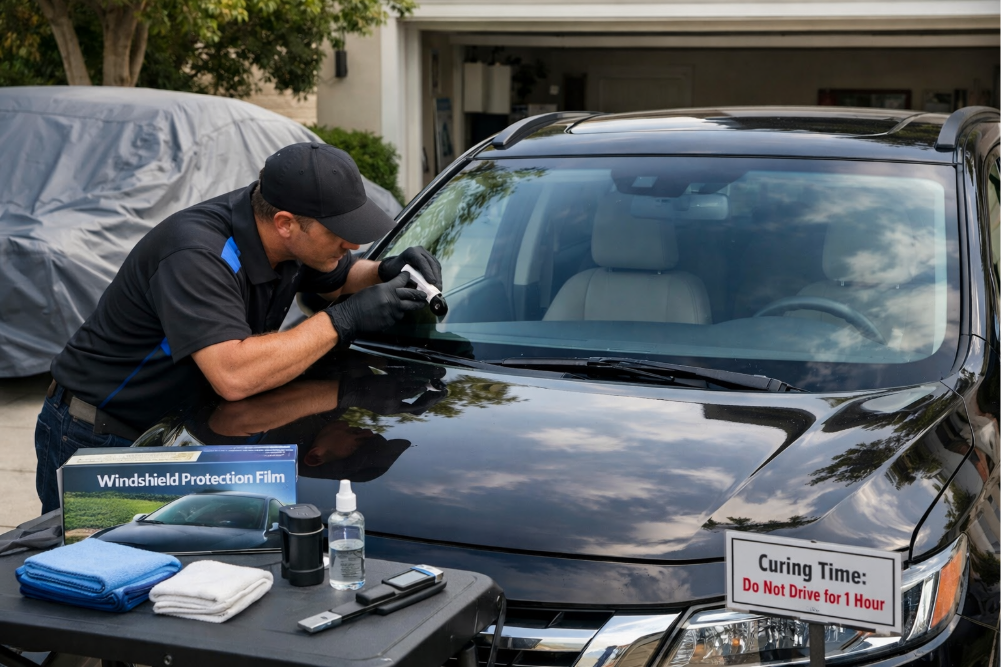
It takes time for the adhesive used to seal the glass to completely cure after your windshield or window has been fixed. Rushing this procedure might cause the bond to deteriorate, which could result in leaks, cracks, or even the repair failing entirely.
Depending on the substance and the location, curing timeframes might vary, but most auto glass adhesives need at least 24 hours to set properly. For precise instructions on how long to wait before operating your car, speak with your technician.
Avoid slamming doors or subjecting the vehicle to vibrations that can cause the glass to shift during this healing time. To avoid pressure buildup within the cabin, which could strain the new seal, keep windows slightly open.
Avoid High-Pressure Water and Car Washes: High-pressure water from power washers or automated car washes can jeopardize a new repair. Leaks and possible damage could result from the force pushing water into the seal or dislodging the adhesive.
Before taking your car to be washed, wait at least 48 hours. When cleaning your car, use a soft sponge and light soap to give your hands a gentle wash. Do not aim water jets toward the restored glass’s edges.
After the repair, get in touch with your technician right once if you find any water leaking into your vehicle. More significant problems later on can be avoided with early intervention.
Keep Your Vehicle Out of Severe Heat
Auto glass can be stressed by abrupt temperature changes, particularly if it has just been repaired and is still settling. The glass in your automobile may expand or contract unevenly, possibly creating new cracks, if you park it in full sunshine or expose it to frigid temperatures too fast.
If at all feasible, park in a garage or a shaded spot for the first few days following your repair. Use a windshield shade if you have to park outside in hot weather to reduce your exposure to the heat.
After a repair, don’t put your defroster on high heat right away. For newly sealed glass, gradual temperature changes are safer.
Take Care When Driving on bumpy Roads: Impacts and vibrations from uneven or bumpy roads can cause a recent repair to be disrupted. Gravel roads, potholes, and speed bumps can all put stress on your windshield or windows, particularly in the initial days following completion.
When driving, go slowly. Avoid abrupt stops, go over bumps more slowly, and stay away from extremely uneven terrain until the glue has completely dried. Drive carefully and gently on difficult roads if you must in order to reduce vibrations that can compromise the repair.
Examine Your Glass Frequently: It’s crucial to monitor your car’s glass even after the repair has healed. Over time, minor problems may arise, and addressing them early on might help you avoid later, more costly, and comprehensive repairs.
Regularly inspect the repaired area for any indications of separation, cracks, or new chips. In order to determine whether the seal is failing, look for discoloration, cloudiness, or air bubbles.
Make an appointment for an examination with a certified car glass expert if you see anything out of the ordinary. Resolving issues quickly guarantees that your glass will continue to be secure and structurally sound.
Do you have a Question?
Get An Auto Glass Replacement Quote Now 866.278.7417
Do Not Ignore Minor Chips or Cracks
Even slight damage can spread quickly, so it’s easy to put off fixing a small chip or fracture. Variations in temperature, vibrations on the road, and wetness can all make a little issue become a major one.
Don’t delay if you discover additional damage following your initial repair. If you act promptly, you may easily and economically fix many chips and small cracks. You will frequently want a complete windshield replacement if you put off maintenance.
Use High-Quality Cleaning Products: Steer clear of abrasive or strong chemicals that could scratch or weaken the surface when cleaning your auto glass repair. For instance, cleansers with an ammonia basis might weaken the glue surrounding your glass and harm window tint.
For a streak-free finish, use a cleaner made especially for auto glass and a microfiber cloth. To prevent breaking the seal, gently wipe, paying particular attention to the corners of the mended area. Frequent cleaning helps you identify possible problems early on and keeps your windshield appearing clear.
Pay Attention to the Weather: The weather has a big impact on how long your auto glass repair will last. Damage to recently restored glass can occur from rain, snow, hail, and strong sunlight.
Avoid driving in bad weather as much as you can during the first week following your repair. Make sure your windshield wipers are in good working order if you have to drive in the rain or snow.
Auto glass is especially vulnerable to hail damage. Park your automobile in a covered area to shield it from any potential damage if a storm is predicted.
Replace Your Windshield Wipers as Needed
The quality of your repaired windshield may be harmed by scratches from old or broken windshield wipers. Additionally, worn wipers may not be able to remove water efficiently, which could increase the chance of accidents or force you to use your defroster.
Regularly check your wipers for streaking, skipping, or obvious damage to the rubber blades, and replace them if necessary. High-quality wipers increase safety and visibility in addition to protecting your glass.
Recognize When to Get Professional Assistance: Despite the finest maintenance, some repairs might not last as long as anticipated. A skilled technician can evaluate the problem and decide if a complete replacement or touch-up repair is required.
Safeguard Your Investment: Investing in auto glass repair increases the value and safety of your car. You can extend the lifespan of your repair and save yourself the trouble and cost of future damage by taking these preventive measures.
Your windshield will look after you while you’re driving if you take care of it. Do not hesitate to contact a reputable car glass expert if you need advice on maintenance or have queries regarding your most recent repair.
How to Maintain Your Car Glass Following Repair
It’s a comfort to have your car’s window or windshield fixed; there won’t be any more chips that could break or cracks that could cover your field of vision. When you leave the lot, however, the work doesn’t stop.
Proper aftercare keeps you safe while driving and guarantees that your auto glass repair lasts. Many drivers are unaware that it takes time for newly restored glass to cure and settle. You run the risk of jeopardizing the repair if you rush the procedure or omit important maintenance measures.
Maintaining the proper care regimen safeguards your investment and keeps your automobile in excellent shape, regardless of whether you’ve had a little chip repaired or a whole windshield replacement. From immediate post-repair precautions to long-term care techniques, this book covers all the information you need to preserve your car glass following repair work.
A curing period is necessary for the majority of auto glass repairs before the glue completely cures. The products utilized, the type of repair, and environmental factors like humidity and temperature all affect how long it takes.
You may only have to wait 30 to 60 minutes for minor chip repairs. It usually takes at least 24 hours after a full windshield repair before you can drive safely again.
Depending on your repair, your specialist needs to offer detailed instructions. While you’re waiting, stay away from:
Operating a vehicle
Slamming the trunk or doors
Lowering the windows
Taking off any supports or retention tape
The bonding process may be hampered by the pressure changes and vibrations caused by these events. If at all feasible, park your vehicle in a covered spot to shield the just installed repair from precipitation, intense heat, and debris.
Keep Windows Slightly Open
Your windows should be slightly cracked, around a quarter inch, for the first day or two following a windshield replacement. This tiny opening aids in balancing the air pressure inside and outside your car.
The air in your car expands and contracts in response to temperature changes. This pressure may press against the new windshield before the adhesive has had time to dry if your windows are entirely sealed.
The outcome? It’s possible that your windshield’s improper sealing will result in leaks or structural weakness. This advice is particularly crucial while parked in cold weather or direct sunlight, where temperature fluctuations are more noticeable.
Avoid Power Washing and Car Washes: After a repair, wait at least three days before putting your vehicle through an automatic wash. The curing glue may be hampered by the harsh chemicals and high-pressure water jets.
It’s also dangerous to wash your hands during this time. Moisture can be introduced where it shouldn’t be, even with little spraying close to the repaired region. If you really need to clean your automobile, use a moist towel to wipe down the body of the vehicle, avoiding the glass edges.
You can resume your regular car wash schedule after the healing period is over. Simply check the seal surrounding your windshield from time to time to make sure water isn’t leaking in.
Do you have a Question?
Get An Auto Glass Replacement Quote Now 866.278.7417
Remove Retention Tape Carefully
Retention tape is frequently applied to the outer and interior borders of windshield repairs. During the first drying stage, this tape keeps the glass in place. When it’s safe to remove it, which is often 24 to 48 hours later, your technician will let you know.
Peel the tape gently and slowly when the time comes. To prevent overstressing the seal, pull at a low angle instead of straight up. Use a plastic scraper or adhesive remover made especially for automotive glass if there is any adhesive residue left behind.
Steer clear of metal tools since they can harm the glass. Even if the tape is ugly, don’t take it off too soon. It’s there for a purpose, and removing it too soon could jeopardize your repair.
Be Careful with Your Doors: When you slam your automobile door, a pressure wave is suddenly created inside the cabin. A recently installed windshield may be stressed before the adhesive has completely adhered, even though this is typically not an issue.
Gently close your doors for the first twenty-four hours following a repair or replacement. This holds true for the front, rear, and trunk doors. Passengers should be encouraged to follow suit. Remind your kids to exercise particular caution until the curing time is finished if they have a habit of slamming doors with enthusiasm.
Avoid Extreme Temperatures: The adhesive curing process may be hampered by abrupt temperature changes. If at all possible, park in mild areas for the first several days following your repair.
To keep the interior of your car from turning into an oven in the summer, look for shade or use a windshield sunshade. The glue may cure too quickly in extreme heat, which could result in weak places in the bond.
Don’t turn your defroster on high right away in the winter. To keep the glass from becoming thermally shocked, let your automobile warm up gradually. Stress cracks can result from abrupt temperature changes, particularly in the vicinity of a recently repaired area.
Skip the Highways at First
Because of the increased wind resistance and vibration, driving at high speeds puts more strain on your windshield. When driving for the first day or two following a significant repair or replacement, stay on local roads and drive at a moderate speed.
Additionally, driving on a highway exposes you to more road debris. Your freshly fixed windshield can sustain damage if a rock kicked up by another car hits it before it has had time to cure. You can resume your regular highway driving without any issues after the suggested healing period has elapsed.
Early problem detection makes repairs simpler and less costly. Get in touch with your repair company as soon as you see any problems. The majority of trustworthy stores will handle valid concerns and provide warranties on their services.
After the curing period is over, you can wipe your windshield as usual, but make sure to use the proper methods to preserve your repair.
Select a glass cleaner that doesn’t include ammonia. Over time, ammonia can weaken the edges of a repair and degrade window tint. Because they won’t harm the glass or leave lint behind, microfiber towels are perfect.
A repaired chip or crack should not be subjected to undue pressure when being cleaned. There’s no need to test the repair’s limits, even though it should be reliable. As you work, carefully clean the surrounding area and check to make sure nothing appears to be broken.
Prevent Future Damage: After spending money on a repair, take precautions to avoid having to do it again. Prevent road debris from hitting your windshield by keeping a safe following distance from other cars.
Avoid following trucks that are transporting loose goods like gravel or building supplies whenever you can. Because worn wipers can harm glass, replace your windshield wipers on a regular basis. To reduce your exposure to hail, fallen limbs, and severe weather, park in covered locations wherever possible.
Following the complete curing of your repair, think about using a hydrophobic glass treatment. By causing water to bead up and roll off, these materials increase visibility in the rain and lessen the need for forceful wiper application.
Recognize When to Get Expert Assistance
Even if you have meticulously followed all of the care directions, problems can still occur. Get in touch with a physician right once if you encounter any of the following symptoms:
The restored region is hazy or discolored.
An air leak could be the cause of the hissing sound you hear.
Water seeps into your car through the windshield.
It seems like the repaired chip or crack is spreading.
Your windshield seems unsteady or loose.
These signs indicate that there may be an underlying issue with the glass itself or that the repair may not have adhered properly. By taking prompt action, many problems can be avoided before they become serious safety risks.
Long-Term Protection of Your Investment: Auto glass repair is an investment in the security and worth of your car. You can make sure that repairs last as long as feasible and function as intended by adhering to these maintenance guidelines.
Patience is essential during those crucial initial days. Treat your windshield carefully, don’t overstress the new patch, and give the adhesive time to dry completely. After that, your car glass will remain in great condition for many years to come with routine checkups and careful driving practices.
Don’t be afraid to contact your auto glass expert if you have questions about your particular repair or see something that doesn’t look right. They are your greatest source for situation-specific advice.
Mobile Safe Auto Glass
14241 E Firestone blvd suite 400,
La Mirada, CA 90638
Phone: (562) 608-1154
Toll Free: 1 866 278 7417
Mail: sales@mobilesafeautoglass.com
Get a FREE QUOTE today! You can get a free quote and schedule 24/7 using this free quote wizard.
Mon – Fri 8am – 5pm
Saturday 8am – 1pm
Sunday Closed