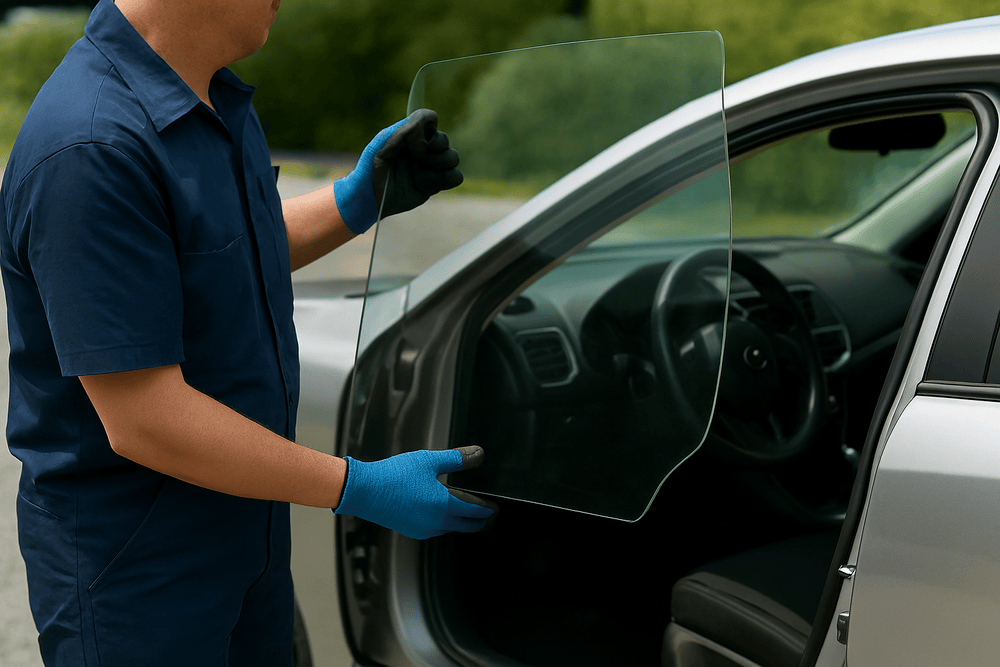
Passenger Side Window Glass Replacement Care Tips
More than just an annoyance, a broken or cracked passenger side window poses a safety risk and invites theft, weather damage, and unpleasant noise. Getting your window replaced as soon as possible is crucial, regardless of whether it was harmed by a stray rock, a break-in attempt, or normal wear and tear. But after the new glass is in place, the labor continues. For your replacement window to function at its peak and last as long as possible, proper treatment is essential. Ignoring this process may result in water leaks, early damage, or even window mechanism problems. From the initial 24 hours following installation to long-term maintenance procedures that will keep your glass in optimal condition, this guide covers all the information you need to take care of your recently replaced passenger side window.
Get An Auto Glass Replacement Quote Now 866.278.7417

Windshield Replacement & Repair
Our competitors push you into going to their shop to get your glass fixed-making it cheaper for them. We make it easier for YOU to get back on the road by offering free mobile repairs at your home or work. With our free mobile services servicing the entire Orange County & Los Angeles area, we can often handle your windscreen replacement the same day! So the next time you need a windshield replacement, give us a call.
Talk to a Windshield Replacement Specialist Now 866.278.7417

Calibration
Calibration is the process of returning a vehicle’s ADAS to OEM specifications. Calibration is necessary after a new glass installation, particularly a windshield with a camera mounted to it, to ensure that the ADAS features continue to function properly despite having been moved during installation. If a car’s ADAS is not properly calibrated, the system may not function safely. A misaligned camera could jeopardize the functionality of the system and lead to dangerous driving or accidents, so it is crucial that the cameras are aligned perfectly, which is what windshield calibration ensures.
Talk to a Calibration Specialist Now 866.278.7417

Fleet Auto Glass Repair
We provide expert auto glass repair and windshield replacement services for commercial fleets of all sizes. We are experienced with all manufacturers and machine types of domestic or foreign cars, trucks, vans, or commercial vehicles, including heavy equipment. Our same day mobile auto glass and windshield repair service will enable you to get back on the road faster and start saving you time and money instantly. Give us a call today! We are here to help!
Talk to a Fleet Auto Glass Specialist Now 866.278.7417
Comprehending the Replacement Procedure
It’s helpful to know what happens during a passenger side window replacement before digging into care advice. The majority of vehicle glass specialists adhere to a conventional process that entails taking out the broken glass, cleaning the window frame, replacing the pane, and then securing it in place with adhesive or sealant.
It takes time for the adhesive to thoroughly cure. The strengthening of the link between the glass and the frame occurs during this crucial curing time. Rushing this procedure or subjecting the window to stress too soon can weaken the seal and cause issues later.
Critical Care Period: The first 24 to 48 hours following the replacement of your passenger side glass are the most crucial. The window is susceptible to moving or damage during this period because the adhesive is still setting.
Do not lower the window. Don’t give in to temptation, even if the technician claims the mechanism is functional. The adhesive seal may be broken before it has had time to dry if the window is opened.
Make sure the vehicle is parked in a secure area. If at all feasible, park in a garage or other covered space to shield the new glass from the elements. Changes in temperature may have an impact on the curing process.
Avoid slamming the doors. Overuse of force may cause pressure changes inside the car, which could cause the glass to shift. For the first several days, softly close doors.
Keep a window open. For the cabin’s air pressure to equalize, several experts advise keeping a second window slightly open. This keeps the new seal from being stressed.
These procedures assist guarantee that the window remains firmly in place and that the glue cures correctly.
Cleaning the Glass in Your New Window
You can begin cleaning your new passenger side window as soon as the curing period is over. But it matters how you clean it.
Use a mild glass cleaner and a soft microfiber cloth. During the first week, stay away from ammonia-based treatments since they may interfere with any protective coatings or adhesive residue that may still be present on the glass.
To prevent streaks, wipe in circular motions and take extra care along the borders where the glass and frame meet. Right after installation, this area is particularly delicate.
Avoid vigorously scraping off any adhesive residue that may be present on the glass. During your subsequent appointment, use a plastic scraper or allow an expert to handle it. In addition to keeping your window looking nice, routine cleaning enables you to identify possible problems early on, such as cracks or seal concerns.
Examining the Seal and Edges: It’s a good idea to periodically check the seal surrounding your passenger side window, even after expert installation. Reduced structural integrity, wind noise, and water leakage might result from a damaged seal.
Examine the glass’s margins where it joins the frame. Check for any unevenness, bubbles, or gaps. These might suggest that the glass wasn’t installed correctly or that the glue didn’t set properly.
The seal can be damaged if you hear whistling noises while driving or see water collecting within the door panel. Resolve these problems as soon as possible by going back to the installer or going to another reliable auto glass store. If something doesn’t look right, don’t be afraid to contact the most trustworthy installers as they usually provide warranties on their work.
Do you have a Question?
Get An Auto Glass Replacement Quote Now 866.278.7417
Preventing Future Damage to Your Window
You’ll want to shield your passenger side window from further harm after it has been restored and properly maintained. A few little routines can make a big difference.
Park with purpose. Avoid parking close to gravel roads, construction zones, and busy pedestrian areas where vandalism or debris may be a problem.
Put on sunblock. Excessive heat can eventually weaken adhesives and lead to stress cracks in glass. A sunshade shields the dashboard and windows while also assisting in controlling the interior temperature.
Maintain your upkeep. Make that the tracks and window regulator are operating smoothly. Unnecessary pressure on the glass may result from a misplaced or jammed device.
Deal with chips right away. Get it fixed immediately if you see a tiny chip or crack. If small damage is not addressed, it may spread and necessitate another complete replacement. It is always less expensive to prevent than to repair.
When Can I Roll Down the Window Again? This is one of the most often asked questions following a passenger side window replacement.
While some adhesives may take up to 72 hours to completely cure, most experts advise waiting at least 24 hours. According to the products they used, your installer ought to offer detailed instructions.
Test the window slowly the first time once you’ve been given the all-clear. Pay attention to any resistance or odd noises. Stop right away and get in touch with your installer if the window doesn’t slide smoothly.
Glass may shift or crack if a jammed window is forced. To prevent overstressing the new seal, keep the window operated gently for the first week following the first successful test.
Long-Term Maintenance Advice: After the initial weeks, you still need to take care of your passenger side window. Its lifespan can be increased and proper operation maintained with regular maintenance.
The window tracks should be lubricated. Every few months, lubricate the tracks and seals using a silicone-based product. By doing this, friction is avoided and the window continues to move smoothly.
The weather stripping should be cleaned. Your window’s rubber seals may collect dirt and debris, which could lead to uneven or stuck glass. Use a moist towel to clean them on a regular basis.
Steer clear of brush-equipped automatic car washes. Harsh brushes and high-pressure water can chip glass and harm window seals. Instead, use hand washing or touchless washes.
Look for any alignment problems. Get your window checked out if it begins to tilt or doesn’t close evenly. Premature wear and leaks might result from misalignment. Your replacement window will remain in great shape for many years with regular maintenance.
Common Errors to Steer Clear of
Even with the best of intentions, it is easy to make errors that might put your brand-new glass on the passenger side of your vehicle in jeopardy to be damaged. Take note of the following items to keep in mind:
A very rapid lowering of the window. Despite the temptation, wait for the entire curing time. One of the most frequent causes of seal failure is rushing this procedure.
applying strong chemicals. Use only glass cleaners that are safe for use in cars. Tints, coatings, and adhesive residue can all be harmed by household cleaners.
disregarding little fissures. A small chip may appear innocuous, but it can swiftly develop into a complete crack. Take care of it before it becomes worse.
omitting subsequent inspections. Use the follow-up check if your installer provides one. They can see problems that you would overlook. By avoiding these errors, you can be sure your replacement window will function as intended.
Prioritize Quality Over Price: Taking short cuts when replacing the passenger side window may end up costing you more in the long term. Despite the somewhat higher initial cost, choose a trustworthy installer who uses premium glass and adhesives.
Cheap materials or hasty installations frequently lead to leaks, subpar seals, and an early need for replacement. When combined with appropriate maintenance, a high-quality installation can extend the life of your vehicles. Read reviews, inquire about warranties, and feel free to raise concerns with the method and supplies.
Maintain the Best Condition of Your Window: Replacing a passenger side window is simple, but how you handle it afterwards makes a big impact. These precautions assist guarantee that your investment lasts, from adhering to the curing period to caring for the glass and seals over time.
You can prolong the life of your new window, prevent damage, and have a calmer, safer ride according to the advice in this guide. Your glass will look after you if you take good care of it.
What to Do After Car Side Window Glass Replacement
Replacing the side window on your automobile can seem like a pain, but the process doesn’t stop when the glass is put in place. The quality of the new window’s durability might be significantly impacted by your actions in the hours and days after the replacement.
A lot of automobile owners are unaware that new auto glass requires time to completely cure. You run the risk of leaks, rattling, or even the window popping out while you’re driving if you rush the process.
The good news? Your new window can last for many years if you take a few easy precautions. From immediate post-installation care to long-term maintenance advice, this book outlines the crucial actions you should take following side window glass replacement.
Leave Your Windows Cracked Open: For 24 to 48 hours following installation, leave at least one window slightly open. There’s a good reason why this could sound paradoxical, particularly if you’re concerned about weather or security.
It takes time for the adhesive that was used to seal your new glass to cure. Pressure can accumulate inside your car when all the windows are closed, especially on hot days or when doors slam. Before the new seal is completely set, that pressure may press on it, weakening the bond.
An inch or two of window cracking lets air flow and keeps pressure from building up. Use a car cover or park in a covered place if you’re worried about rain. Select a window that is not close to the replacement location and park in a well-lit area for added security.
Steer clear of slamming your automobile doors because this causes the cabin’s air pressure to suddenly rise. For window seals that are already in place, this is typically not an issue, but it might interfere with the curing process of recently applied adhesive.
Gently close your doors for the first two to three days following replacement. Encourage passengers to follow suit, especially children.
Comparable to shutting the door of a refrigerator, it is sufficiently sturdy to lock without requiring too much force. This minor modification guarantees that the window remains firmly in place and safeguards your investment.
Keep the Window Rolled Up
Refrain from testing it right away if you replaced it with a motorized window that rolls up and down. It takes time for the adhesive around the borders to adhere, and the window regulator and glass must settle into place.
The majority of vehicle glass experts advise not using the power window feature for at least 24 hours. Depending on the humidity and temperature, some adhesives could take up to 48 hours.
Lower the window extremely gently and only partially if you must during this time. Even better, make a plan in advance and steer clear of circumstances that would require you to open that particular window for a day or two.
Don’t Wash Your Car Right Away: You may feel tempted to wash your car after that recent installation, but wait at least three days. Water may be forced into cracks before the seal has completely dried by high-pressure water from pressure washers or automatic car washes.
Water penetration has the potential to damage the adhesive bond and result in future leaks. Even washing your hands should be done cautiously; don’t splash water at the new window’s margins.
When you wash your automobile, don’t blast the water at the window seals; instead, apply light pressure and let the water drip off naturally.
Do you have a Question?
Get An Auto Glass Replacement Quote Now 866.278.7417
Avoid Extreme Temperature Changes
The ideal temperature range for adhesive curing is moderate. Excessive heat or cold might cause the adhesive to expand and compress before it has completely set, or it can slow down the curing process.
Inquire with your installer about the anticipated curing time for the particular adhesive they used if you reside in a location with harsh weather. Certain contemporary adhesives are better suited to withstand temperature changes than others.
Verify Proper Sealing: Carefully examine your new window 48 hours later. Check for any spaces that exist between the glass and the frame, especially along the bottom border and at the corners. The seal must seem consistent and uninterrupted.
When driving, pay attention to odd noises. An imperfect seal may be indicated by wind noise or whistling. Another warning sign that anything is amiss is water leaks that occur during rainy seasons.
Get in touch with your installer right away if you see any problems. Reputable vehicle glass businesses usually provide warranties for their work and, if you identify issues as soon as possible, will fix them for free.
Test the Window Function Gradually: Test your power window gradually after the suggested waiting time has elapsed.
You can proceed if the window runs smoothly and silently. Seek professional assistance if the window moves slowly or you hear strange noises. There may be a problem with the installation or the regulator mechanism needs to be adjusted.
Clean the New Window Properly
Use the right tools and methods when it’s time to clean your new window. For the first month, stay away from cleansers with an ammonia basis as they can damage the adhesive seal around the borders.
Instead, you could make use of a light glass cleaner or a solution consisting of white vinegar and water. A delicate microfiber cloth should be used to apply the solution to the glass rather than paper towels, which may cause damage to the surface. When cleaning, use circular movements and pay special attention to the margins, which are often the places where dirt tends to accumulate.
Remove any remaining adhesive from the door panel or trim on the inside. This should have been cleared by your installer, but occasionally there are still trace quantities.
Watch for Problems During the First Weeks: Sometimes, even with the right care, issues might arise. Throughout the first month, keep an eye out for these warning indicators:
Water escapes when washing a car or in the rain
Enhanced wind noise at high-speed highways
Visible spaces or divisions between the frame and glass
Vibration or rattling coming from the window area
Rolling the window up or down is difficult.
Identifying issues at an early stage makes it easier to find solutions and prevents minor issues from developing into major issues. The majority of trustworthy installers guarantee their work and promptly resolve any valid issues.
Know the Coverage That Your Warranty Offers: Take the time to familiarize yourself with the terms of your warranty and the duration of its coverage before you leave the shop. Although the specifics of the coverage differ, the majority of vehicle glass installers provide a lifetime warranty on craftsmanship. Commonly covered by warranties are:
Leaks brought on by shoddy installation
Failure of the adhesive within the allotted time
Flaws in the actual glass
Store any warranty paperwork and your receipt in a secure location. These paperwork might be transferred to the new owner if you sell your car, which could increase the sale price.
Arrange for a Follow Up Exam
After a few weeks, some auto glass shops offer or suggest a follow-up inspection. This allows an expert to confirm that everything has dried correctly and that the window is operating as it should.
In the event that your shop does not provide this service, you are still able to request it. An expedited examination provides reassurance and detects any problems before they escalate into more significant problems. Don’t hesitate to get in touch with your installer if you observe anything out of the ordinary before your planned follow-up.
Safeguarding Your Investment: Your new side window is a wise financial and security investment. It will function well for years to come if you take good care of it during those crucial first few days.
Dealing with leaks, wind noise, or having to redo the installation is far more inconvenient than leaving windows cracked or skipping the car wash for a few days. You’ll have a completely sealed, secure, and silent window if you follow these instructions and have patience during the drying process.
Speak with your installer if you have any questions concerning any part of post-replacement care. Depending on the materials and techniques they employed for your individual car, they can offer detailed advice.
Mobile Safe Auto Glass
14241 E Firestone blvd suite 400,
La Mirada, CA 90638
Phone: (562) 608-1154
Toll Free: 1 866 278 7417
Mail: sales@mobilesafeautoglass.com
Get a FREE QUOTE today! You can get a free quote and schedule 24/7 using this free quote wizard.
Mon – Fri 8am – 5pm
Saturday 8am – 1pm
Sunday Closed