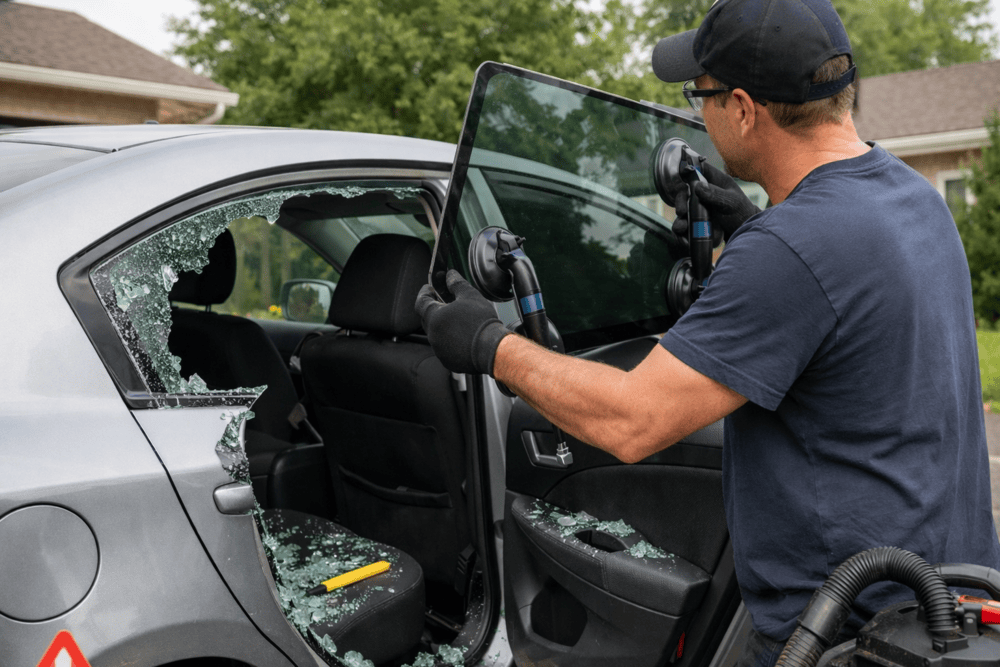
Back Driver Side Window Replacement Car Challenges
More than simply an annoyance, a broken or cracked rear driver-side window poses a security concern, invites the weather, and has to be fixed right away. Replacing your window might seem like navigating a minefield of possibilities, prices, and possible issues, regardless of whether it was broken in an accident, by flying debris, or by a break-in. You may save time, money, and frustration by being aware of the difficulties you may encounter throughout the replacement process. Every stage has its own set of factors to take into account, from deciding between do-it-yourself repairs and expert services to handling insurance claims and locating the appropriate parts. This article provides helpful ideas to help you make well-informed selections while guiding you through the most frequent problems that automobile owners run into while replacing a rear driver-side window.
Get An Auto Glass Replacement Quote Now 866.278.7417

Windshield Replacement & Repair
Our competitors push you into going to their shop to get your glass fixed-making it cheaper for them. We make it easier for YOU to get back on the road by offering free mobile repairs at your home or work. With our free mobile services servicing the entire Orange County & Los Angeles area, we can often handle your windscreen replacement the same day! So the next time you need a windshield replacement, give us a call.
Talk to a Windshield Replacement Specialist Now 866.278.7417

Calibration
Calibration is the process of returning a vehicle’s ADAS to OEM specifications. Calibration is necessary after a new glass installation, particularly a windshield with a camera mounted to it, to ensure that the ADAS features continue to function properly despite having been moved during installation. If a car’s ADAS is not properly calibrated, the system may not function safely. A misaligned camera could jeopardize the functionality of the system and lead to dangerous driving or accidents, so it is crucial that the cameras are aligned perfectly, which is what windshield calibration ensures.
Talk to a Calibration Specialist Now 866.278.7417

Fleet Auto Glass Repair
We provide expert auto glass repair and windshield replacement services for commercial fleets of all sizes. We are experienced with all manufacturers and machine types of domestic or foreign cars, trucks, vans, or commercial vehicles, including heavy equipment. Our same day mobile auto glass and windshield repair service will enable you to get back on the road faster and start saving you time and money instantly. Give us a call today! We are here to help!
Talk to a Fleet Auto Glass Specialist Now 866.278.7417
Side Window Replacement Is More Complicated Than You Think
Many drivers believe that changing a rear driver-side window is simple. It is just glass, after all. The truth is more complex. This specific window is essential to the safety features and structural soundness of your car.
Windows in modern cars are integrated into intricate systems that include tinting, defrosters, and even sensors for security or rain sensing. The rear driver-side window may be made to integrate with your car’s alarm system and often has special mounting hardware.
Furthermore, the glass itself differs greatly across car models and manufactures. Side windows often use tempered glass, which has to adhere to strict safety regulations and measurements. Installation may be difficult or the functionality of your window may be compromised by even a little mismatch.
Challenge 1: Locating the Correct Replacement Glass: Locating the appropriate replacement glass is one of the first challenges you will face. Using the incorrect kind of vehicle glass might result in poor fit, decreased visibility, or even safety hazards since not all auto glass is made equal.
OEM vs. Aftermarket Glass: Original Equipment Manufacturer (OEM) glass is supplied by the manufacturer of your vehicle and ensures a perfect fit. It usually costs more than aftermarket substitutes, however. Third-party businesses produce aftermarket glass, which may save a lot of money without sacrificing safety.
Making sure that any aftermarket glass you choose satisfies the same requirements as the original is crucial. Make sure the glass satisfies Department of Transportation requirements or look for certifications from groups such as the National Safety Council.
Specific Requirements for Each Vehicle
The precise specs for your rear driver-side window depend on the year, make, and model of your car. Curvature, thickness, tinting, and mounting points are among the elements that need to line up precisely. When buying parts, including your Vehicle Identification Number (VIN) guarantees that the glass you get is made specifically for your vehicle.
OEM glass may be your sole option if aftermarket choices are few for certain premium or specialist automobiles. Examine availability prior to deciding on a certain replacement plan.
DIY vs. Professional Installation: You must choose who will install the new glass when you get it. Both price and quality are greatly impacted by this decision.
The Do-It-Yourself Method: You may save hundreds of dollars on labor by replacing a rear driver-side window yourself. For someone with rudimentary mechanical knowledge, the method seems doable based on the abundance of internet instructions.
The replacement pane must be installed after removing the door panel, disconnecting the window regulator, and removing the shattered glass. But there are hazards associated with this strategy. Inadequate installation might lead to a window that doesn’t open and shut correctly, harm the internal components of your door, or jeopardize the weather sealing of your car.
Additionally, you can nullify the new glass’s warranty. Only if you are skilled in vehicle maintenance and have access to the right equipment, such as specialist trim removal tools and a torque wrench for correct reassembly, should you think about doing it yourself.
Benefits of Professional Installation: Skilled car glass experts bring knowledge and specific tools to the work. They are able to promptly detect and resolve issues such as corroded mounting hardware or broken regulators. The majority of professional services also include labor and part warranties.
When you consider the equipment you’ll need to buy and the worth of your time, the difference between DIY and professional installation often becomes less significant. An expert can usually do the task in one to two hours, but a first-time do-it-yourself project may take much longer.
Do you have a Question?
Get An Auto Glass Replacement Quote Now 866.278.7417
Handling More Damage
Broken glass is seldom seen alone. It’s possible that collateral damage from the event that broke your rear driver-side glass made repair more difficult.
Problems with the Window Regulator: Your glass is raised and lowered by the window regulator. The regulator could be harmed if your window was pried open during a break-in or if the glass broke during moving. Grinding sounds, sluggish performance, or the window tilting to one side are indicators of regulator issues.
Although replacing a window regulator raises the expense of repairs, neglecting the issue might cause your new window to fail too soon. The glass may fall into the door or get trapped in an open position due to a faulty regulator.
Door Panel and Trim Damage: You must disassemble your door panel in order to remove shattered glass and get access to mounting points. This procedure may expose broken upholstery, cracked plastic, or worn clips. Even though these parts are often cheap, when planning your repair budget, account for replacement expenses.
Another typical finding is water damage. If your shattered window was left outside in the rain, moisture could have seeped into the inside of the door, creating corrosion or perhaps harming electrical parts.
Managing Insurance Coverage: You may avoid unpleasant financial shocks by being aware of what your insurance policy covers for window replacement.
Explaining Comprehensive Coverage: Generally speaking, replacing the back driver-side glass is covered under comprehensive coverage as opposed to collision coverage. Damage from non-collision incidents, such as theft, vandalism, or falling items, is covered by comprehensive insurance.
Check the deductible on your insurance. Paying out of pocket can make more sense if the replacement cost is near or less than your deductible. Over time, your rates may go up if you file a claim for a little sum.
Glass Coverage Add-Ons: For window and windshield repairs, many insurance plans include glass coverage endorsements with lowered or no deductibles. Although these accessories are more expensive, they may be beneficial if you often travel through regions that are vulnerable to extreme weather or vandalism.
Make sure to fully record everything while submitting a claim. Take pictures of the damage, record any other problems you find, and save all of the invoices for any cleaning or interim repairs.
Temporary Fixes and Safety Issues: To preserve some degree of security and safeguard the inside of your car, you’ll need a temporary solution if you can’t get your window fixed right away.
Short-Term Protection Techniques: A temporary barrier against rain and debris may be made using weatherproof tape and heavy-duty plastic sheeting. To stop wind from ripping the plastic away, make sure it reaches beyond the window opening and fasten it securely.
Use a piece of plexiglass or transparent acrylic that has been trimmed to size for further security. Although it is less effective than genuine vehicle glass, it offers more security than plastic sheeting and is more difficult for would-be burglars to get past.
Operating a Vehicle with a Missing Window
Although it is legal in most places, it is not ideal to drive with a shattered or missing rear driver-side window. Rain or debris might get into your car, and wind noise can be annoying. If you must drive prior to replacement, steer clear of highways and maintain a modest pace.
Cardboard should never be used as a stopgap measure. It decomposes rapidly and provides little weather protection, which might make your situation worse.
Budgeting and Cost Considerations: Depending on the kind of vehicle you drive, the type of glass you choose, and whether you choose do-it-yourself or professional installation, window replacement prices may vary significantly.
Analyzing the Costs: specialized features have the potential to raise prices considerably. Other costs might be:
Replacement window regulator: $150 to $300
Fasteners and clips for door panels: $20 to $50. $50 to $100 for window tinting to match existing windows Mobile glass repair services might save you the trouble of going to a store, but they sometimes charge more for convenience.
Methods for Saving Money: Obtaining quotations from many vehicle glass businesses might show significant differences in cost. If you want further glass work, inquire about savings for cash payments or bundling services.
Think about buying your own glass and only paying for installation. While some stores may not guarantee glass they didn’t source, others may allow this arrangement.
Verify if the manufacturer of your car has issued any service advisories or recalls about window problems. In rare instances, a warranty or recall program may cover replacement.
Avoiding More Window Damage
It seems sensible to take precautions after enduring the inconvenience of replacing your rear driver-side window. If at all possible, park in well-lit places, particularly at night.
In order to operate covertly, thieves target cars in remote, dark areas. Parking close to building doors or security cameras might discourage break-ins if covered parking is not available.
Don’t leave valuables in your vehicle on display. Thieves might be tempted by even low-value things. Take possessions with you or put everything in your trunk.
Think about security film or window tinting. These improvements help deter potential burglars by slowing them down, but they are not infallible. They also make glass more difficult to break. Maintaining your door seals and window regulators on a regular basis increases their longevity and lowers the possibility of mechanical issues that might cause glass breakage.
Proceeding With Your Repair: Replacing a rear driver-side window comes with a number of difficulties, but being aware of them gives you command over the procedure. Prioritize high-quality materials and appropriate processes whether you decide to do the installation yourself or hire a professional.
Do a thorough investigation into your possibilities, get many quotes, and take your time making a choice. A temporary solution that lasts a few more days is preferable than a hurried repair that breaks too soon. Keep in mind that windows are more than simply convenience elements; they are essential safety features for your car.
Taking short cuts on replacement may save money up front, but recurrent repairs or weakened security may end up costing more in the long term. Your new rear driver-side window will last for many years if you take the time to install it correctly.
Unspoken Difficulties of Replacing Expensive Side Windows
Most people believe that replacing a broken side window in a luxury car is as simple as ordering a new piece of glass, installing it, and driving off. However, the reality is far more complicated, as anybody who deals with luxury cars knows.
Replacing a high-end side window involves more than simply replacing shattered glass; it’s a precise engineering task that calls for knowledge, specific equipment, and an awareness of how glass is incorporated into contemporary car designs.
Every aspect of luxury and performance cars is treated as if it were a complex system. This also applies to side windows. They support cutting-edge safety measures, improve aerodynamics, preserve the vehicle’s acoustic qualities, and are precisely constructed.
When one has to be replaced, the procedure calls for the same degree of accuracy that was used in the car’s original manufacture. Let’s examine what makes replacing a high-end side window so difficult and how it differs from routine vehicle glass maintenance.
Why Glass for Luxury Automobiles Is Different: Engineered Tolerances and Fit: Extremely strict manufacturing tolerances are used in the construction of luxury automobiles. Each panel, seal, and part fits together precisely, with measurements in millimeters.
In order to preserve the vehicle’s structural integrity, weatherproofing, and wind noise characteristics, side windows must fit precisely inside their frames. High-end glass often has intricate curves that complement the aerodynamic profile of the car.
The side windows of a Mercedes-Benz S-Class or BMW 7 Series have delicate curves that cut down on wind noise and drag. Glass that precisely matches the original specs is needed to replace these windows. Even little variations may result in gaps that weaken the seal, let in wind noise, or interfere with the window’s ability to work properly.
Modern Glass Technology
High-end automobiles usually include glass that is more than just transparent. Many high-end vehicles have: To provide a quieter cabin atmosphere, acoustic laminated glass with sound-dampening layers reduces wind and road noise. UV-protective coatings that shield interior materials and passengers from damaging UV radiation while preserving visibility.
Side windows have heated glass components for defrosting or preserving vision in cold climates. Instead of being applied as an aftermarket film, privacy tinting that is integrated into the window itself preserves uniformity in both look and functionality.
The replacement procedure is made more difficult by each of these characteristics. The original glass’s functional requirements and physical measurements must be met by the replacement.
When replacing a side window on a car with these features, it’s important to handle electrical connections carefully, calibrate sensors accurately, and make sure everything works properly after installation. It’s not enough to just install the glass; experts also need to make sure that all of the connected parts work as they should.
ADAS Calibration Considerations: Radar units, cameras, and sensors placed throughout the car are the foundation of Advanced Driver Assistance Systems (ADAS). Although side windows are most often linked to windshields, they may also be used in surround-view camera systems, lane-keeping assistance, and blind-spot monitoring.
Recalibration may be necessary for any operation that modifies the alignment or location of these components. For luxury cars, this entails utilizing diagnostic tools made by the manufacturer and adhering to exacting calibration guidelines. If this step is skipped, safety systems may not operate correctly, which might endanger the driver.
Do you have a Question?
Get An Auto Glass Replacement Quote Now 866.278.7417
The Procedure for Installation
Surface Preparation and Adhesive Selection: Appropriate surface preparation and adhesive selection are critical to the quality of a side window installation. Specialized urethane adhesives are used in luxury cars to provide a flexible, strong connection between the glass and the vehicle structure.
For these adhesives to keep their structural integrity and stop leaks, they must cure correctly. Prior to replacing the glass, technicians need to:
Eliminate any remnants of outdated adhesive without causing any harm to the car’s paint or structure. As directed by the manufacturer, clean and prime the bonding surfaces. Use the appropriate kind and quantity of glue.
Before the car is put back into operation, make sure it has had enough time to cure. If you rush any of these processes, the installation’s lifetime and functionality may suffer.
Alignment and Adjustment: Accurate alignment inside the tracks and seals is necessary for side windows that open and shut. When closed, the glass must entirely seal, glide smoothly over its entire range of motion, and sit evenly in its frame.
The alignment procedure becomes even more important for cars with frameless windows, which are typical of coupes and convertibles. To ensure a good seal, the glass must precisely touch the door frame or roof.
Testing and Quality Assurance
Leak Testing: The electrical and interior systems of a car might sustain serious harm from water penetration. Thorough leak testing after replacing a side window guarantees a waterproof installation.
Expert shops evaluate all seal points for any leaks by simulating rain conditions with controlled water testing. For premium cars, where the inside materials may be more vulnerable to water damage and repairs might be expensive, this step is particularly crucial.
Acoustic Performance: Owners of luxury cars anticipate a peaceful interior free from loud traffic and wind. Technicians should confirm that the acoustic performance is identical to the original installation after replacing a side window.
This is driving the car at different speeds and keeping an ear out for any wind noise, whistling, or rattling that might be signs of a bad fit or insufficient sealing. Before giving the car back to its owner, any problems must be fixed.
Selecting the Best Service Provider: Original Equipment Manufacturer (OEM) vs. Aftermarket Glass: Choosing between OEM and aftermarket glass is one of the first choices when replacing a high-end side window.
OEM glass is sourced from the same vendors that supplied glass for the vehicle’s initial manufacture. It ensures a precise fit, functionality, and look match.
Although aftermarket glass could be less expensive, the quality might differ greatly. For premium cars, the possibility of missing features, poor acoustic performance, or fitting problems often exceeds the possible savings. OEM glass is preferred by the majority of high-end car owners in order to preserve the performance and value of their vehicles.
Preserving Your Investment
Proper maintenance helps guarantee long-lasting functionality after a professional side window replacement: Before placing too much strain on the installation, give it enough time to cure. The majority of adhesives need 24 to 48 hours to fully solidify.
To prevent new seals from being compromised by water pressure, stay away from vehicle washes for the first several days. Regularly test window functionality to identify any adjustment problems early.
To preserve the flexibility and sealing qualities of seals, keep them clean. Instead than waiting for little problems to grow into bigger ones, take quick care of any concerns that arise.
The Importance of Accuracy: Replacing a high-end side window is a perfect example of the general rule about the maintenance of luxury cars: accuracy cannot be sacrificed and every part counts. Beyond only improving vision, the glass in your car’s doors also improves comfort, safety, appearance, and overall performance.
When replacement is required, choose service providers who are aware of these requirements and possess the know-how to satisfy them. High-quality craftsmanship improves a vehicle’s lifetime, performance, and peace of mind.
Nothing less than the same level of precise engineering that went into creating your premium car is appropriate. When replacing any part, particularly one as important as a side window, insist on that quality.
Mobile Safe Auto Glass
14241 E Firestone blvd suite 400,
La Mirada, CA 90638
Phone: (562) 608-1154
Toll Free: 1 866 278 7417
Mail: sales@mobilesafeautoglass.com
Get a FREE QUOTE today! You can get a free quote and schedule 24/7 using this free quote wizard.
Mon – Fri 8am – 5pm
Saturday 8am – 1pm
Sunday Closed