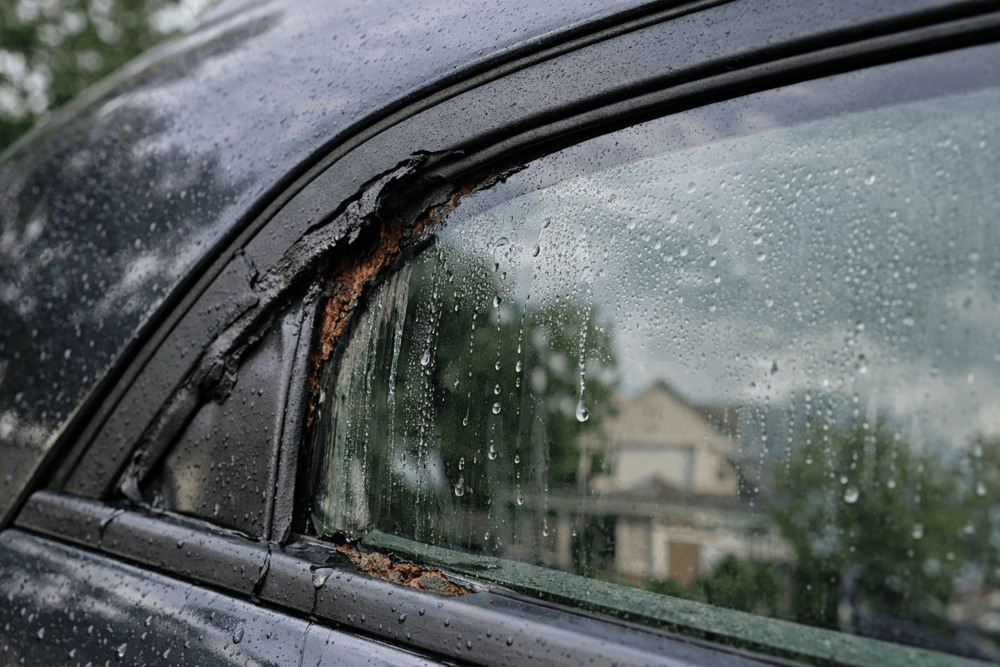
Back Driver Side Window Replacement Seal Failures
You notice a faint whistling sound coming from the rear of your automobile as you’re traveling down the highway. Or perhaps after a thunderstorm, you’ve observed water collecting on your rear seat. You’re not alone if you’re experiencing these symptoms of a deteriorating window seal on your rear driver-side window. Most drivers are unaware of how often window seals break, especially on rear windows. Compared to other windows in your car, the rear driver-side window is subject to particular forces that might accelerate the deterioration of seals. You may avoid interior damage, save money, and maintain a quiet and pleasant ride by knowing why these seals fail and what you can do about it.
Get An Auto Glass Replacement Quote Now 866.278.7417

Windshield Replacement & Repair
Our competitors push you into going to their shop to get your glass fixed-making it cheaper for them. We make it easier for YOU to get back on the road by offering free mobile repairs at your home or work. With our free mobile services servicing the entire Orange County & Los Angeles area, we can often handle your windscreen replacement the same day! So the next time you need a windshield replacement, give us a call.
Talk to a Windshield Replacement Specialist Now 866.278.7417

Calibration
Calibration is the process of returning a vehicle’s ADAS to OEM specifications. Calibration is necessary after a new glass installation, particularly a windshield with a camera mounted to it, to ensure that the ADAS features continue to function properly despite having been moved during installation. If a car’s ADAS is not properly calibrated, the system may not function safely. A misaligned camera could jeopardize the functionality of the system and lead to dangerous driving or accidents, so it is crucial that the cameras are aligned perfectly, which is what windshield calibration ensures.
Talk to a Calibration Specialist Now 866.278.7417

Fleet Auto Glass Repair
We provide expert auto glass repair and windshield replacement services for commercial fleets of all sizes. We are experienced with all manufacturers and machine types of domestic or foreign cars, trucks, vans, or commercial vehicles, including heavy equipment. Our same day mobile auto glass and windshield repair service will enable you to get back on the road faster and start saving you time and money instantly. Give us a call today! We are here to help!
Talk to a Fleet Auto Glass Specialist Now 866.278.7417
The Real Purpose of a Window Seal
It’s useful to know why seals fail before delving into the reasons. The window seals on your automobile perform a number of vital tasks:
Weatherproofing: They prevent rain, snow, and debris from getting into your automobile by erecting a barrier between the interior and the outside environment.
Noise Reduction: By reducing wind and road noise, seals assist create a calmer cabin environment.
Structural Support: They keep the glass in the window frame securely, avoiding movement and rattling.
Temperature Control: By stopping air leaks that make your heating and cooling systems work harder, proper seals help keep the temperature inside your car stable.
All of these tasks are jeopardized when a seal starts to malfunction. Additionally, the rear driver-side window is especially susceptible.
Why the rear Driver Side Window: You may be wondering why, in comparison to other windows, seal failures seem to occur more often on the rear driver side window. This pattern is caused by a number of factors:
Exposure to the Elements: When driving in wet circumstances, the driver side of any vehicle is usually more directly exposed to road spray and rain. The driver side is more likely to be struck by water that has been stirred up by other cars, which speeds up seal wear.
Temperature Variability
Compared to front windows, rear windows often endure more drastic temperature changes. Seals toward the rear expand and contract more substantially with changing weather since they are further away from your HVAC system’s climate-controlled airflow.
Less often Used: Your rear windows, particularly the driver-side rear, usually remain closed the most of the time, although your front windows probably rise and fall often.
Although it may seem that doing this would keep the seal intact, the contrary is often true. In fact, regular movement keeps the rubber from becoming brittle in one place and aids in the distribution of lubricants inside the seal.
Manufacturing Variations: Due to peculiarities in their designs, certain car models feature windows that are more likely to suffer seal problems. In comparison to other windows, the rear driver side window could have a somewhat different drainage system, frame shape, or seal material.
Common Reasons for Seal Failure: Rubber and other synthetic materials are used to make window seals, which are meant to last for many years. They are not indestructible, however. The following are the most typical causes of their failure:
Age and UV Damage: Rubber dries up, cracks, and loses its elasticity as a result of exposure to the sun’s UV rays. One of the main reasons for seal failure is this process, which is known as UV degradation. Daytime exposure builds up over time, even if your automobile is kept in a garage at night.
Extreme Temperatures: Window seals are harmed by both heat and cold. Rubber expands and becomes softer in high temperatures and contracts and becomes brittle in low temperatures. Cracks and gaps are ultimately caused by this continuous expansion and contraction.
Chemical Exposure: Rubber seals may be harmed by road salt, vehicle wash chemicals, and even some cleaning supplies. Your seals are subjected to extra chemical stress that hastens degradation if you reside in a region where roads are salted in the winter.
Poor Installation: A window or seal that has been changed in the past but was not put properly may fail too soon. Future issues may arise from improper alignment, insufficient adhesive, or the use of the incorrect kind of seal.
Physical Damage: Direct physical damage, such as a tree limb scratching the window, debris striking the seal, or even harsh handling during a prior repair, may sometimes cause seal failure.
Do you have a Question?
Get An Auto Glass Replacement Quote Now 866.278.7417
Signs That Your Seal Is Not Working
Early detection of a failed seal helps shield the inside of your car from more significant harm. Keep an eye out for these warning indicators:
Wind Noise: When air is seeping through a damaged seal, a high-pitched whistle or whooshing sound, particularly at highway speeds, is often the cause.
Water Leaks: A musty odor coming from inside your automobile, puddles on the carpet or rear seat, or moisture around the window frame are all signs of water incursion.
Visible Damage: It is easy to see failure when there are cracks, rips, or areas where the seal has separated from the window frame.
Foggy Windows: The seal has unquestionably failed if moisture can be seen between the glass panes (on double-pane windows).
Drafts: When the window is closed, the presence of air movement around it indicates that the seal is no longer producing an airtight barrier.
How to Replace a Back Driver Side Window Seal: While some automobile owners may choose to seek expert assistance, others may be able to do the work on their own. The kind of seal being utilized and the make and model of your car determine how tough it is.
DIY Replacement Steps: Here is a common procedure for replacing a window seal if you are a handyman and want to save money:
Get the Right Seal: Make sure the new seal you get corresponds to the year, make, and model of your car. Rarely do generic seals fit correctly.
Get Rid of the Old Seal: Gently remove the broken seal from the window frame. To get access, you may have to take off the window or interior trim panels.
Clean the Surface: The window frame and the glass edge where the seal will be attached should be thoroughly cleaned. Clear away any debris, dirt, and old adhesive.
Apply Adhesive: Make use of a weatherstrip adhesive made especially for automobiles. Evenly coat the window frame and the seal with it.
Installing the New Seal: To guarantee correct alignment and adherence, press the seal firmly into place while working gently.
Allow to Cure: Before shutting the window or exposing it to damp, let the adhesive cure for the amount of time indicated by the manufacturer.
When to Make a Professional Call
Think about working with an expert if:
To get to the seal, you must remove the window glass from your car.
You don’t feel confident using automotive adhesives.
A more intricate weatherstripping system includes the seal.
You observe more harm to the window frame or regulator.
Depending on your region and the kind of car you have, professional installation usually costs between $100 and $300.
Preventing Future Seal Failures: You should safeguard your investment after replacing a faulty seal. The following maintenance advice will help your window seals last longer:
Frequent Cleaning: To get rid of chemicals and debris, gently wash your window seals with a light soap and water every few months.
Apply Protectant: To maintain seals’ flexibility and resistance to UV deterioration, apply a rubber protectant spray made specifically for automotive use.
Park Wisely: To reduce exposure to the sun, park in locations with shade or use a vehicle cover.
Operate Windows Frequently: To prevent the seals from becoming rigid in one position, roll your rear windows up and down sometimes, even if you don’t have to.
Deal with Problems Right Away: Take care of any early indications of seal wear before they become total failures.
A deteriorating window seal on your rear driver-side window may seem like a little annoyance, but if you ignore it, it might cause more serious issues. Internal water damage to your car may encourage the development of mildew, corrosion, and electrical problems.
Every drive is less fun when there is wind noise. Additionally, repairs tend to become more costly the longer you wait. Taking action right away can safeguard your car and your peace of mind, regardless of whether you decide to repair the seal yourself or hire a professional.
Keep an eye out for the warning indicators, learn the reasons for seal failures, and don’t be afraid to fix problems when they arise. Both your ears and your automobile will appreciate it.
Problems with Insulation and Moisture
Replacing the side window of your automobile should be simple. After the expert installs a new window and you drop off your car, everything is safe and sealed.
However, if the work is done incorrectly, you may have issues that extend far beyond a rattling windowpane. Replacing your side windows incorrectly might result in insulation failures and moisture ingress, which lowers the comfort, safety, and resale value of your car. You may avoid future expensive repairs by being aware of these problems and learning how to identify them early.
How Poor Installation Causes Issues Side windows are more than just a way to enjoy the fresh air and keep rain out. They are a component of a well-designed system that preserves the noise absorption, temperature control, and structural integrity of your automobile. That system malfunctions when a window is not placed appropriately.
Using the wrong adhesives, not cleaning the window frame well, hurrying the curing process, or misaligning the window inside its housing are the most frequent installation errors. Any of these mistakes may result in openings that let air and water into areas they shouldn’t.
The Function of Appropriate Sealing: To establish an airtight, waterproof connection between the window and the vehicle’s body, modern cars use rubber seals and urethane adhesives.
These materials need careful application and a sufficient amount of cure time. The seal won’t withstand the rigors of regular driving, such as temperature fluctuations, road vibrations, and exposure to the weather, if installers omit procedures or use inferior materials.
Moisture Issues That Go Beyond a Wet Seat
One of the quickest and most noticeable indicators of a poorly done window replacement is water penetration. After a downpour, you may notice condensation fogging up the inside of your window, water accumulating on the door panel, or a musty odor growing within your vehicle. However, the harm extends beyond surface-level moisture.
Interior Damage and Mold Growth: Mold and mildew thrive in the ideal conditions created when moisture seeps under interior panels or into the space under your door. These fungi may spread swiftly through carpets, upholstery, and insulating materials and do well in damp, dark environments.
Mold has real health dangers in addition to being unsightly. Long-term exposure may cause respiratory disorders, allergic responses, and other health concerns, particularly in those with weakened immune systems or asthma.
Electrical System Complications: Power window motors, lock actuators, speakers, and wire harnesses are just a few of the gadgets that modern cars cram into their door panels. Exposure to water may short out circuits, damage connections, and result in faults that are costly to investigate and fix.
You may encounter malfunctioning windows, strangely acting door locks, or crackling and warped speakers. Even worse, it might be difficult to link these electrical problems to a moisture issue since they can occur intermittently.
Rust and Structural Issues: Metal parts may rust as a result of moisture that is trapped behind door panels. The door’s structural integrity is weakened over time by this corrosion, which may also migrate to other areas of the car. Complete restoration is difficult and expensive after rust has taken hold.
Do you have a Question?
Get An Auto Glass Replacement Quote Now 866.278.7417
Efficiency and Comfort at Risk
Insulating your side windows properly lowers the strain on your heating and cooling systems, keeps your vehicle quiet, and maintains constant interior temperatures. You’ll notice the change right away if that insulation is compromised by a window replacement.
Increased Road Noise: A discernible rise in wind and road noise is one of the first indicators of insulation failure. At highway speeds, you may hear whistling noises or find it difficult to have a conversation without raising your voice. This occurs when air rushes beyond the window frame due to breaches in the seal.
As seals continue to deteriorate, the issue often grows worse over time. An occasional irritation might turn into a major cause of discomfort on every journey.
Problems with Temperature Control: It is more difficult to keep your cabin at a reasonable temperature when a window is not properly sealed, allowing outside air to enter.
On warmer days, your air conditioner may have trouble keeping the vehicle cold, and in the winter, heat may escape quickly. In addition to reducing comfort, this makes your HVAC system work harder, which may lead to higher fuel consumption and faster component wear.
Drafts and Air Leaks: You may sense drafts around the impacted window even if you don’t hear any overt wind noise. The cabin’s temperature may fluctuate due to these air currents, and certain seats may become unpleasant. Even when the remainder of the vehicle feels good, passengers may remark that one side is excessively chilly.
Warning Indications to Look Out For
You have the greatest chance of having installation issues resolved before they cause serious harm if you identify them early. Following a side window replacement, keep an eye out for the following warning signs:
The most evident sign is visible water inside the car after rain or car washes. Examine the floor mats, door pockets, and the space under the window for moisture.
The presence of condensation between the door panel and window indicates that moisture is being trapped in an unsuitable location. This may manifest as fogging or slowly evaporating water droplets. Unusual noises that weren’t there before to the replacement, such as rattling, whistling, or wind noise, indicate problems with the seals or incorrect alignment.
Odors of mustiness or mold suggest that there has been water there long enough for biological development to start. This has to be addressed right now. Inadequate installation is evident in places where the seal seems uneven or squeezed, or in visible spaces between the window and the frame.
What to Do If You Think Something Is Wrong: Take quick action if you see any of these warning indicators. Make contact with the installation shop and describe the problems you’re having. Reputable installers should offer to check and fix their work because they want to make things right.
Take pictures of water incursion, film videos of odd sounds, and save any correspondence and receipts. If you need to escalate the matter or pursue damages compensation, this paperwork will be helpful.
Consider seeking a second opinion from another certified car glass professional if the first installer is unresponsive or unable to fix the issue. They are able to evaluate the installation and provide a quote for appropriate cleanup.
Insurance Considerations: Let your insurer know about the issues if your window replacement was covered by insurance. They may often arrange for appropriate repairs without charging you more, and they could have legal recourse against the installation business.
Avoiding Issues at the Outset
Selecting a certified installer early on is the greatest defense against insulation and moisture problems. Read reviews, do extensive research on stores, and inquire about their warranty policies. Certified specialists from reputable companies are more likely to adhere to protocols and guarantee their work.
Inquire about the materials they employ; OEM-specific seals and high-quality urethane adhesives are important. Ask about curing timeframes and whether they advise waiting before driving or submerging the car in water.
Before you leave the store after the replacement, check the job. Check for uniform seal coverage, correct window alignment, and seamless functioning. If anything seems off, don’t be afraid to ask inquiries.
Guarding Your Investment: Your car is a big investment, and every part, including the side windows, helps keep it worth what it is. When installed correctly, it safeguards not just the glass but also the structural integrity, electrical systems, and inside of your vehicle.
There shouldn’t be any difference between the original factory installation and replacement work when done properly. The window should work smoothly, close all the way, and work in unison with the systems in your car.
Don’t disregard any insulation or moisture issues you may be having after window replacement. These problems usually worsen over time and seldom ever go away on their own.
By taking prompt action, damage is reduced and repair expenses are kept under control. Spend some time locating a capable expert who will do the task correctly. It’s essential for your comfort, security, and tranquility.
Mobile Safe Auto Glass
14241 E Firestone blvd suite 400,
La Mirada, CA 90638
Phone: (562) 608-1154
Toll Free: 1 866 278 7417
Mail: sales@mobilesafeautoglass.com
Get a FREE QUOTE today! You can get a free quote and schedule 24/7 using this free quote wizard.
Mon – Fri 8am – 5pm
Saturday 8am – 1pm
Sunday Closed