Insurance and Auto Glass Windshield Repair
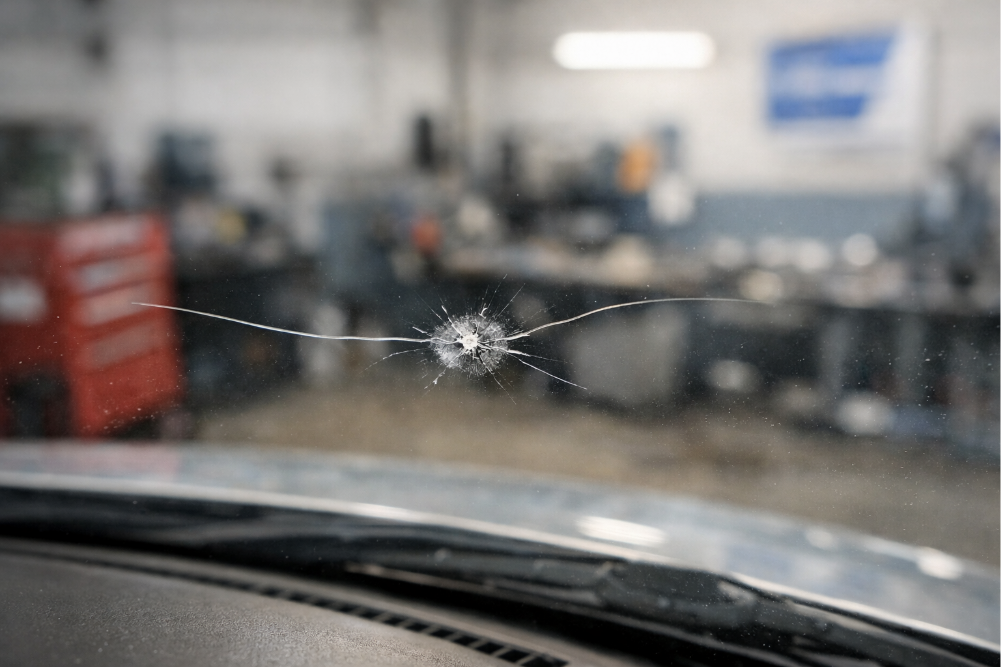
A cracked windshield is more than just a visual inconvenience; it’s a safety danger that may damage the structural integrity of your car. Whether it was a wayward pebble on the highway or a sudden thunderstorm, coping with shattered vehicle glass is a regular nuisance for drivers. The instant inquiry that follows the dreaded “crack” sound is generally financial: “Is the repair going to cost me a fortune?” Many drivers believe their regular vehicle insurance coverage automatically covers glass damage, but the truth is often more complicated. Coverage relies greatly on the kind of policy you carry, the origin of the damage, and the scope of the repairs required.
Get An Auto Glass Replacement Quote Now 866.278.7417

Windshield Replacement & Repair
Our competitors push you into going to their shop to get your glass fixed-making it cheaper for them. We make it easier for YOU to get back on the road by offering free mobile repairs at your home or work. With our free mobile services servicing the entire Orange County & Los Angeles area, we can often handle your windscreen replacement the same day! So the next time you need a windshield replacement, give us a call.
Talk to a Windshield Replacement Specialist Now 866.278.7417

Calibration
Calibration is the process of returning a vehicle’s ADAS to OEM specifications. Calibration is necessary after a new glass installation, particularly a windshield with a camera mounted to it, to ensure that the ADAS features continue to function properly despite having been moved during installation. If a car’s ADAS is not properly calibrated, the system may not function safely. A misaligned camera could jeopardize the functionality of the system and lead to dangerous driving or accidents, so it is crucial that the cameras are aligned perfectly, which is what windshield calibration ensures.
Talk to a Calibration Specialist Now 866.278.7417

Fleet Auto Glass Repair
We provide expert auto glass repair and windshield replacement services for commercial fleets of all sizes. We are experienced with all manufacturers and machine types of domestic or foreign cars, trucks, vans, or commercial vehicles, including heavy equipment. Our same day mobile auto glass and windshield repair service will enable you to get back on the road faster and start saving you time and money instantly. Give us a call today! We are here to help!
Talk to a Fleet Auto Glass Specialist Now 866.278.7417
Understanding the Types of Coverage
Not all automobile insurance coverages are made equal when it comes to glass damage. You must first comprehend the particular elements of your insurance to ascertain if you are insured.
The most probable part of your insurance for a broken windshield is comprehensive coverage. The damage to your car that is not the consequence of a collision with another vehicle or object is often covered by comprehensive coverage. This comprises:
Things that fall (such as tree branches)
Fire
Theft or vandalism
Storms and hail
Animal collisions (like striking a deer)
Rocks thrown up by other cars
If a stone falls from a vehicle and fractures your windshield, comprehensive coverage normally kicks in. If you own your car, this coverage is usually optional, but lenders often require it if you are financing or leasing.
When your car is involved in a collision with another vehicle or an object (such a fence or lamp post), collision coverage will pay you for any damage that occurs to your vehicle as a result of the incident. If your windshield is cracked after a vehicle accident, the replacement would be covered under this element of your insurance as part of the total repairs.
Full Glass Coverage: Some insurance carriers provide particular “full glass coverage” as an add-on or endorsement to your current policy. This is often the preferred option for windshield issues, as it typically allows you to fix or replace broken glass without having to pay a deductible. If you reside in an area that has gravel roads or frequent construction, this add-on could be able to pay for itself after just one repair.
The Deductible Dilemma
One of the major areas of uncertainty for drivers is the deductible. A deductible is the amount of money that you have agreed to pay in advance before your insurance coverage begins to take effect again.
Filing a claim is financially unwise if your comprehensive deductible is $500 yet replacing your windshield only costs $350. You would end up paying the full cost yourself since it falls below the deductible level.
However, many insurance carriers waive the deductible for repairs (rather than replacements). Your insurance may pay 100% of the cost if you have a minor chip or crack that can be filled instead of replacing the whole glass. They do this since a repair is substantially cheaper for them than a complete replacement down the road.
Key takeaway: Always verify whether your insurance waives the deductible for repairs. It encourages drivers to remedy tiny faults before they become huge, costly ones.
Repair vs. Replacement: What Will Insurance Approve? When choosing between a repair and a replacement, insurance adjusters often consider the extent, location, and depth of the damage.
Your insurance may recommend aftermarket glass instead of Original Equipment Manufacturer (OEM) glass if replacement is required to save money. Unless your insurance specifies otherwise, be prepared to bear the cost difference if you insist on OEM glass.
Do you have a Question?
Get An Auto Glass Replacement Quote Now 866.278.7417
Will a Glass Claim Increase My Rates
This is the most prevalent concern, keeping individuals from making claims. The answer varies by state and insurance company, but generally speaking, a single glass claim is unlikely to cause a major premium spike, particularly if it comes within comprehensive coverage.
Comprehensive claims are often viewed as “not-at-fault” incidents. Compared to a collision claim where you hit another vehicle, insurers are less likely to punish you for the rock that struck your windshield since you had no control over it.
But frequency is important. Insurance companies may consider you a greater risk if you make many glass claims in a short amount of time. Upon renewal, they could increase your comprehensive deductible or hike insurance premiums.
Questions that are asked frequently: Is it possible for me to choose who repairs my windshield? Yes, in most circumstances, you have the freedom to pick your vehicle glass business. Your insurance company could propose a preferred vendor or a network shop (sometimes giving a lifetime warranty on the work), but they normally cannot compel you to hire them.
What if I have ADAS (Advanced Driver Assistance Systems)? Modern automobiles sometimes have cameras and sensors installed on the windshield for features like lane departure warning and automated braking.
These systems need to be adjusted when a windshield is changed. This process makes the replacement substantially more costly. Most comprehensive insurance covers the recalibration as a required part of the replacement procedure, but you should check the details with your agent.
Is it free to fix a windshield? It is virtually free to you if your insurance waives the deductible for glass repairs. The store directly pays your insurance, eliminating any out-of-pocket expenses for you. The whole cost, which usually ranges from $50 to $150 depending on the shop and severity, will be your responsibility if you do not have comprehensive coverage.
How long does the procedure take? A basic repair normally takes less than 30 minutes. A complete replacement normally takes approximately an hour, plus another hour for the glue to dry before the vehicle is safe to drive.
Keep Yourself Safe and Save Money
Ignoring a little scratch on your windshield is rarely profitable. Temperature variations, vehicle vibrations, and moisture may rapidly convert a little flaw into a large break that demands a complete, pricey repair.
To assess whether or not you have comprehensive coverage and to verify your deductible, I would appreciate it if you could take the time to study your insurance policy. Provided you reside in a state like Florida, Kentucky, or South Carolina, you could even be qualified for zero-deductible windshield replacement by law, provided you have comprehensive insurance. Acting promptly ensures both your road visibility and financial security.
Does Your Windshield Have Coverage? 5 Insurance Gaps That Could Cost You: You are traveling down the interstate, enjoying the wide road, when you hear it. The sickening snap of a rock striking your glass. You quickly glance at the windshield and see a little starburst crack just in front of you.
The consoling notion that follows most drivers’ first annoyance is, “It’s fine. That’s what I have insurance for.” Unfortunately, such an assumption frequently leads to a nasty revelation.
While vehicle insurance is supposed to protect us from financial loss, windshield repair and replacement are regions plagued with coverage gaps, tiny language, and specific exclusions. You may be responsible for the whole cost, depending on how your insurance is worded.
Understanding these gaps before a pebble hits is the best way to guarantee you aren’t left scrambling for cash when your windshield gives way. Here is a detailed look at the most frequent coverage gaps in windshield repair and how to find them in your policy.
The Only Void Liability
The most major gap is simply lacking coverage for your own automobile. You may get “liability-only” insurance if you drive an older vehicle or want to lower your monthly payments.
Most states require liability insurance, which only pays for damage you cause to others and their property. It doesn’t give you a dime to fix your car. If a rock jumps from a dump truck and shatters your glass, liability-only coverage will not aid you.
To have any prospect of insurance covering your glass, you normally require comprehensive coverage. This is the section of your insurance that covers damage not caused by a collision, such as theft, fire, falling items, and yes—flying pebbles. If you don’t find “Comprehensive” or “Other Than Collision” on your declarations page, you likely have zero coverage for windshield damage.
The Deductible That Exceeds the Cost: Even if you have comprehensive coverage, you can still face a financial gap known as the deductible conundrum. The amount of money that you are responsible for paying out of pocket before your insurance coverage begins to take effect is referred to as your deductible. A usual deductible for comprehensive coverage is $500 or $1,000.
Here is an example of when the arithmetic works against you. A basic chip repair may cost $100 to $150. A complete windshield replacement on a basic vehicle may cost $300 to $400. If your replacement cost is lower than your $500 deductible, pursuing a claim is worthless. You will pay the whole expense yourself, and the insurance company will pay nothing.
How to address this gap: Check whether your insurance has a special “Full Glass Coverage” endorsement or a “Zero Deductible” option for glass. In other places, including Florida, Kentucky, and South Carolina, state law actually waives the deductible for windshield repair if you hold comprehensive coverage. In other states, you have to expressly ask and pay extra for it.
The OEM versus Aftermarket Parts Gap
When replacing your windshield, the quality of the glass is crucial. This creates a conflict between your desire for the highest quality glass and the insurance company’s preference for the most economical option. Glass frequently comes in two varieties:
OEM (Original Equipment Manufacturer): The same manufacturer that created your car’s original windshield also produces this glass. Its thickness, tint, and characteristics are all the same.
Other companies produce OEE (Original Equipment Equivalent), or aftermarket, glass. It is made to suit your automobile, but it is not branded by the OEM.
Many basic insurance plans only cover the cost of aftermarket glass since it is substantially cheaper. While aftermarket glass must fulfill safety regulations, some automobile owners claim concerns with optical distortion, wind noise, or incorrect fit.
If you drive a premium vehicle or a car with particular acoustic glass, aftermarket parts may not work as well. If your insurance coverage only includes aftermarket costs and you choose to use OEM glass instead, you will have to pay the difference. This “betterment” price may frequently go into the hundreds of dollars.
The High-Tech Calibration Gap: Automobiles are now computers on wheels rather than just mechanical machines. If you drive a car constructed in the previous few years, your windshield certainly interacts with an Advanced Driver Assistance System (ADAS).
These systems have attributes such as;
Assistance with lane-keeping
Emergency braking that operates automatically
Rain-detecting wipers
Cruise control that adapts
These systems’ cameras and sensors are often installed just behind the windshield. When you replace the glass, those cameras are relocated somewhat. Even a millimeter of variation can throw off the system, potentially causing the vehicle to fail to stop when necessary.
To correct this, the system needs recalibration. The cost of this sophisticated technique may equal or exceed that of the glass itself.
The gap emerges when insurance covers the physical glass but balks at the expense of the calibrating processes. Some older policy wording hasn’t caught up to contemporary technology, prompting disagreements about whether calibration is “necessary” for a basic glass claim.
While such an incident is getting uncommon as ADAS becomes mainstream, it remains a key item to monitor for. Always ensure that your coverage covers “associated procedures” required to restore the vehicle to pre-loss condition.
Do you have a Question?
Get An Auto Glass Replacement Quote Now 866.278.7417
The Repair versus Replace Limit
Insurance companies adore repairs. They are inexpensive and fast, and they prevent a small issue from becoming a huge one. Replacement is pricey. Consequently, many insurers have rigorous limits on when they will allow a complete replacement.
Usually, if a chip or crack is smaller than a dollar bill (approximately six inches) and isn’t immediately in the driver’s line of sight, the insurance company will push for a resin repair.
However, a repair isn’t always ideal. It creates a little scar on the glass. If you are fussy about your vehicle’s look and demand a replacement for a little crack, your insurance may refuse to pay the whole price. They could offer to pay what a repair would have cost (e.g., $60), leaving you to pay the remaining hundreds of dollars for a new windshield.
Frequency Limits and Rate Hikes: The result is less of a coverage gap and more of a “consequence gap.” Some drivers feel that since glass claims are generally modest and no-fault, they may submit them repeatedly without penalties.
A single glass claim rarely increases premiums, but frequent claims may lead to a policy review. Your insurance may consider you a high-risk customer if you repair your windshield twice a year and drive on gravel roads every day. They might increase your comprehensive deductible or, in extreme situations, opt not to renew your coverage.
Furthermore, some plans contain a restriction on how many glass claims you may make throughout a policy period. Once you exceed that limit, you are responsible for any additional damage.
Commonly Asked Questions
Would my insurance cover a damaged windshield if I only have liability coverage? No. Liability insurance only covers harm you cause to others. To protect your windshield, you normally require complete coverage.
Will my insurance premiums increase if I file a windshield claim? Typically, a single glass claim will not boost your rates, since it is considered a comprehensive (non-collision) claim. However, numerous claims within a short time might impair your premium or eligibility for renewal.
Can I select who fixes my windshield? Yes, you have the right to choose your repair business in the majority of situations. However, if your selected shop costs more than the “prevailing rate” your insurance is prepared to pay, you may be liable for the difference.
What is “Full Glass” coverage? An add-on or particular policy endorsement known as “full glass coverage” enables you to replace or repair your windshield without having to pay a deductible. It is particularly recommended for drivers in regions with ongoing road construction or gravel roads.
Avoid Waiting for the Crack
Windshields are crucial to the structural integrity of your car. In a rollover accident, the windshield offers up to 40% of the structural support for the roof. Driving with degraded glass isn’t only an aesthetic problem; it is a safety threat.
The worst moment to read your insurance policy is standing on the side of the road amid smashed glass. Please take a moment to review your declarations page for about twenty minutes today. Look for the comprehensive deductible.
Ask your agent about OEM riders and full glass endorsements. Nowadays, it’s extremely inexpensive to close these gaps, but you’ll save a major headache when the eventual pebble strikes your windshield.
Mobile Safe Auto Glass
14241 E Firestone blvd suite 400,
La Mirada, CA 90638
Phone: (562) 608-1154
Toll Free: 1 866 278 7417
Mail: sales@mobilesafeautoglass.com
Get a FREE QUOTE today! You can get a free quote and schedule 24/7 using this free quote wizard.
Mon – Fri 8am – 5pm
Saturday 8am – 1pm
Sunday Closed