Can Auto Glass Windshield Repair Work in Rain
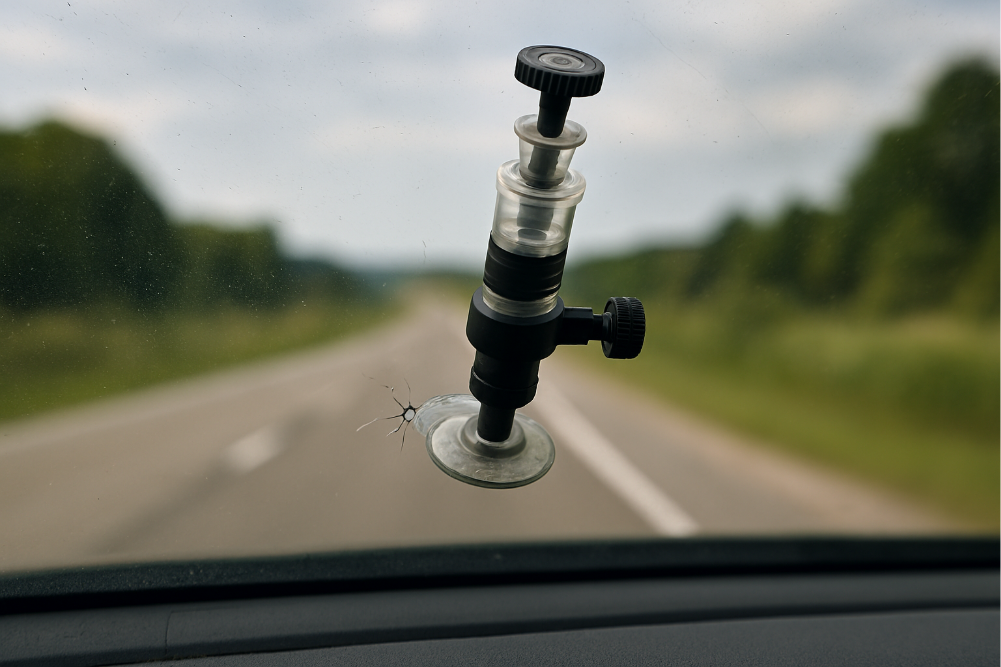
Everybody has been there. A stray pebble strikes your windshield while you are traveling along the highway. Even on a beautiful day, it might be annoying, but what if it begins to rain and the sky opens up? Is it still possible to patch that chip, or are you forced to wait for clear skies while the fracture can widen? The simple answer is no, vehicle glass repair should not be conducted in the rain. The situation’s actual state is a little more complex, however. While rain complicates the procedure, it doesn’t mean you are entirely out of luck. Understanding why moisture is the enemy of windshield repair and knowing your alternatives may save you time, money, and a lot of worry.
Get An Auto Glass Replacement Quote Now 866.278.7417

Windshield Replacement & Repair
Our competitors push you into going to their shop to get your glass fixed-making it cheaper for them. We make it easier for YOU to get back on the road by offering free mobile repairs at your home or work. With our free mobile services servicing the entire Orange County & Los Angeles area, we can often handle your windscreen replacement the same day! So the next time you need a windshield replacement, give us a call.
Talk to a Windshield Replacement Specialist Now 866.278.7417

Calibration
Calibration is the process of returning a vehicle’s ADAS to OEM specifications. Calibration is necessary after a new glass installation, particularly a windshield with a camera mounted to it, to ensure that the ADAS features continue to function properly despite having been moved during installation. If a car’s ADAS is not properly calibrated, the system may not function safely. A misaligned camera could jeopardize the functionality of the system and lead to dangerous driving or accidents, so it is crucial that the cameras are aligned perfectly, which is what windshield calibration ensures.
Talk to a Calibration Specialist Now 866.278.7417

Fleet Auto Glass Repair
We provide expert auto glass repair and windshield replacement services for commercial fleets of all sizes. We are experienced with all manufacturers and machine types of domestic or foreign cars, trucks, vans, or commercial vehicles, including heavy equipment. Our same day mobile auto glass and windshield repair service will enable you to get back on the road faster and start saving you time and money instantly. Give us a call today! We are here to help!
Talk to a Fleet Auto Glass Specialist Now 866.278.7417
The Science of Repairing Windscreens
To understand why rain is such an issue, you first need to understand how a windshield repair works. It isn’t simply about putting a piece of glass back together.
Laminated glass is used to make modern windshields. This is made up of two glass layers with a polyvinyl butyral (PVB) resin layer positioned between them. When a rock strikes your windshield, it generally cracks the outer layer of glass, producing an air pocket between the glass and the PVB layer.
The repair technique entails injecting a specific glue into that injured region. This glue cures (hardens) and joins the glass back together, restoring structural integrity and clarity.
Moisture and Resin Don’t Mix: For the resin to attach successfully, the affected area must be entirely dry. If water seeps into the crack or chip, it occupies the area where the resin has to go.
Because water and the repair glue have distinct densities and chemical qualities, they do not combine. If a technician tries to inject resin into a moist fracture, the resin will likely be diluted or displaced. This leads to a weak link that won’t stand up over time.
The Curing Process: Most windshield repair resins are cured using ultraviolet (UV) radiation. While professional restoration kits frequently utilize UV lights, ambient sunlight has a role too. Rain presents two difficulties here:
Dilution: Rainwater might wash away the resin before it has a chance to cure.
Cloud Cover: If the technician depends in part on natural light, cloud cover may slow down the curing process by reducing UV availability.
Can Mobile Techs Fix My Car in the Rain
Although mobile windshield repair is quite practical, it has its drawbacks. You may be wondering, “But I called a mobile service! Can’t they just come to me?” If you lack a covered location, a mobile technician normally cannot make the repair during an active downpour.
The “Garage” Loophole If you have a garage, carport, or even a big, durable pop-up canopy, a mobile technician can certainly accomplish the work.
It doesn’t matter whether it’s sunny outside; what matters is that the car and the windshield stay dry. If you can offer a dry atmosphere, the technician may dry out the exact region of damage (using heat or compressed air) and continue with the repair safely.
What If I Don’t Have a Cover?: If you are parked on the street or in an open lot, the technician will likely need to reschedule. Attempting to protect the windshield with an umbrella or sheet is unsafe. The work might be ruined if the wind blows rain into the glass in the middle of the repair. Most professional vehicle glass businesses would refuse to try an exterior repair in the weather to preserve their warranty and your safety.
Dangers of Ignoring the Weather: A less ethical repair business may be prepared to “give it a try” in the rain. Here’s why you need to turn down the offer.
Cloudy Repairs: Moisture trapped within the repair might cause the resin to cure with a milky or cloudy appearance. Instead of a practically imperceptible cure, you’ll have a persistent, distracting imperfection in your field of sight.
Crack Spreading: A poor repair doesn’t simply look awful; it generates weak places. As temperatures vary, the water trapped within may expand and contract, causing the little chip to develop into a major break that needs a complete windshield replacement.
Wasted Money: Most repairs done on wet glass will ultimately fail. You will wind up paying for the repair twice—or worse, paying for a complete replacement that might have been avoided.
Do you have a Question?
Get An Auto Glass Replacement Quote Now 866.278.7417
What To Do Until the Rain Stops
If you can’t get to a shop and you don’t have a garage, you need to safeguard the damage until the weather clears.
Cover the Chip: Use a tiny piece of transparent packing tape over the chip. This keeps water and debris out of the crack. Do not use duct tape, since it might leave a sticky residue that makes the final repair tougher.
Prevent Temperature Shocks: If it’s freezing outside, don’t put your defroster on high heat. The glass may continue to break as a result of the abrupt temperature shift and pre-existing damage.
Drive Carefully: Avoid potholes and bumpy roads. The vibration might compound the harm.
Frequently Asked Questions: Can I drive my vehicle immediately after a windshield repair? Yes, for the most part. Once the resin has been cured with UV light, it is rigid and ready to travel. But some experts may advise keeping the retention tape on for an hour or two.
Is a windshield replacement doable in the rain? Generally, no. Replacing a windshield requires removing the old glass and adding a urethane glue to the frame of the automobile. For this glue to attach well, the surface must be dry and clean. If moisture enters between the urethane and the metal frame, it might lead to corrosion or leaks later on. Just like repairs, replacements normally need a garage or dry weather.
What is the duration of the repair? A basic chip repair normally takes approximately 30 minutes. If you are waiting out a thunderstorm at a shop, it’s a short turnaround once the car is pushed into the bay.
Do Not Let a Rainy Day Ruin Your View
While a broken windshield is an annoyance, attempting to speed a repair in the rain is a mistake. The chemistry of the resin just demands a dry surface to assure your safety and the lifetime of the glass.
If it’s raining, your best chance is to go to a store with an indoor bay or park your vehicle in a garage and contact a mobile technician. By keeping the glass dry, you guarantee the repair is undetectable, robust, and permanent.
Need to schedule a repair? Check your local weather prediction, locate a covered area, and contact a licensed specialist to get you back on the road safely.
Why Moisture Is the Silent Killer of Windshield Repairs: You’re traveling down the interstate when a rock kicks up from the vehicle in front of you. There is a loud pop, and soon, a little star-shaped crack emerges on your windshield.
It’s bothersome, but it looks steady enough. You choose to overlook it for a few days. Then, the rain begins. Most drivers understand that a broken windshield represents a structural weakness, but few know that water is the primary adversary of a good repair.
Moisture significantly alters the chemistry and physics involved in repairing the glass, making it more than simply an annoyance that obscures the damage. If water is trapped within that crack before the glue is applied, the repair is practically sure to fail.
You may avoid a poorly done repair and the much higher expense of a complete windshield replacement by understanding why moisture offers such a serious concern. This book discusses the science underlying windshield repairs, how water interferes with the process, and the unique hazards you face when trying to heal a moist fracture.
The Chemistry of the Cure
You must first comprehend how windshield repair works in order to comprehend the moisture issue. The method includes injecting a specific acrylic resin into the void produced by the rock impact.
This resin is intended to cure under ultraviolet (UV) light and adhere directly to the glass. When done properly, the resin duplicates the optical qualities and strength of the original glass.
However, practically all windshield repair resins are hydrophobic. This indicates that they do not mix with water and instead reject it. If there is moisture trapped within the small fissures of the damage, the resin cannot remove it efficiently. The resin either floats on top of the water or creates pockets around it rather than adhering to the glass surface.
Because the resin cannot contact the glass where the water is sitting, no chemical connection forms. After the repair is “cured” by UV radiation, the moist areas continue to exist as structural gaps. Over time, the water will evaporate, leaving behind air spaces. These air pockets are weak areas that threaten the structural integrity of the repair, making it more probable the fracture may widen later.
The “Cloudy” Repair: Optical Clarity Issues: Beyond structural failure, dampness degrades the optical quality of a repair. The aim of a decent windshield patch is to make the damage 80% to 95% undetectable.
This is possible because the resin has a refractive index similar to glass. The breach is invisible to the unaided eye because light does not bend or distort as it travels through the fix.
Water has a different refractive index than glass or resin. If you inject resin into a wet break, the combination generates a milky, foggy look. Instead of a clean, undetectable cure, you wind up with a persistent, hazy imperfection directly in your line of sight.
This presents a safety danger. A foggy repair might refract sunlight or headlights from approaching cars, generating unexpected glare that blinds the driver. If the repair is in the driver’s main viewing area (the “critical wipe area”), a hazy fix can even lead your car to fail a safety test, requiring you to replace the whole windshield.
The Danger of Expansion
The most harmful element of moisture in a windshield crack is its reactivity to temperature. We all learned in elementary school science that water expands when it freezes. A quick decrease in temperature during the winter months causes any moisture that is trapped within a chip or fracture to freeze into ice.
As the ice spreads, it puts considerable hydraulic pressure on the surrounding glass. Windshield glass is tempered and laminated, although it is already degraded by the first hit. A little, fixable bullseye chip may often be transformed into a lengthy, irreparable break that covers the whole width of your windshield by the power of freezing water.
Moisture may cause harm via thermal cycling even in the absence of freezing temperatures. As your automobile warms up in the afternoon and cools down at night, the water within the crack expands and shrinks.
This continual movement strains the glass. Since the resin never bonded correctly owing to the moisture, there is nothing keeping the glass together against these forces. The consequence is a crack that steadily “walks” across your windshield over weeks or months.
Identifying Moisture in a Break: Detecting water within a fracture isn’t always as evident as spotting rain on the top. Capillary motion may suck water deep into the tiny legs of a star break, where it can linger long after the surface is dry. To ascertain if a brake is moist, qualified technicians search for certain visual indicators:
Disappearing Damage: Because water refracts light closer to glass than air does, a fracture filled with water often seems cleaner than a dry crack. It is probably flooded if the damage seems to have “vanished” after a downpour.
No Shimmer: A dry break normally has a silvery or black shimmer when seen from an angle, generated by the air trapped within. The brake is probably damp if it seems clear or dull.
The Heat Test: Moisture often evaporates when a tiny quantity of heat is carefully applied to the region. You may tell that moisture was there if the damage suddenly becomes more noticeable when you heat it, returning to that silvery hue.
Do you have a Question?
Get An Auto Glass Replacement Quote Now 866.278.7417
How Professionals Remove Moisture
If you feel your windshield damage is wet, you cannot continue with a repair until it is entirely dry. Professional vehicle glass specialists employ many procedures to guarantee the break is moisture-free before injecting resin.
The Dry-Out Cycle: High-quality windshield repair bridges (the equipment used to inject glue) include a vacuum cycle. Professionals may run the vacuum cycle for far longer than usual—sometimes up to 15 minutes—to physically suck the moisture out of the crack. To stir the water and aid in its departure, they may switch between vacuum and pressure.
Evaporation Agents: Some technicians employ a drying agent, such as a specific acetone-based solvent. A little quantity is injected into the break.
The solvent interacts with the water and lowers its boiling point, enabling the combination to evaporate quickly under vacuum pressure. This is a dangerous approach for beginners, since acetone may harm the car’s paint or the lamination layer of the glass if applied wrong.
Controlled Heating: The most popular and hazardous method of drying out a brake is using heat. Technicians use a targeted heat source (such as a lighter or heat gun) to warm the glass and evaporate the water.
This calls for great care. Heating glass that is already under stress from a fracture might cause it to flow quickly. Professionals warm the glass from inside the car to gently force moisture out rather than blasting the brakes immediately from outside.
Why DIY Kits Fail with Moisture
Here, the do-it-yourself approach often results in catastrophe. The repair kits supplied at car parts shops depend on a basic syringe mechanism. These syringes seldom create enough vacuum pressure to remove water from deep inside a fissure.
Moreover, DIY guides never stress how important a dry break is. A car owner can towel off the surface of the windshield and believe it’s ready to repair. They inject the resin, cover it with the curing sheet, and let it cure.
The resin cures around the water because the moisture was not eliminated. A hollow area is left after the water evaporates through the porous resin a few days later. The repair fails, the chip returns, and since the fracture is now filled with hardened resin, a professional can no longer get in there to mend it correctly. You are left with a permanent defect.
Commonly Asked Questions: Can I fix my windshield when it’s raining? No. Even if you are in a garage, excessive humidity might impair the curing. If the automobile was outdoors in the rain, the brake is filled with water. You must bring the car into a dry region and allow substantially more time for the moisture to dissipate before trying a repair.
How long should I wait after a vehicle wash to repair a chip? It varies on the weather and humidity, but a fair rule of thumb is at least one hour in the sun, or longer if it is chilly. If you need it done promptly, you will need to use an aggressive drying technique like a hairdryer (used gently) or professional dry-out equipment.
Does windshield washer fluid count as moisture? Yes, and it’s really worse than rain. Washer fluid frequently includes colors and detergents. If this blue or orange fluid seeps into the crack and dries, the water evaporates, but the colored dye remains. Even after a successful repair, this leaves a permanent colored mark on the interior of the glass.
Is a wet repair ever safe? Some contemporary resins claim to be “hydrophilic” or moisture-tolerant, meaning they can form bonds even in wet environments. While technology is advancing, most industry experts maintain that a fully dry break is the only method to assure a 100% successful bond and excellent optical clarity.
Keep Your Repair from Being Ruined by the Rain
A rock chip is an annoyance, but a botched repair is a problem that lasts as long as you own the automobile. The hazards connected with moisture—structural collapse, clouded vision, and developing cracks—are just not worth the haste.
If your windshield is cracked and the weather is moist, wrap the chip with a tiny piece of transparent packing tape to keep water and debris out until you can have it restored. When it comes time for the repair, ensure the glass is bone dry.
If you aren’t sure of your capacity to remove the moisture safely, skip the DIY kit and hire a professional who has the necessary gear to perform the job correctly. The clarity and safety of your windshield rely on it.
Mobile Safe Auto Glass
14241 E Firestone blvd suite 400,
La Mirada, CA 90638
Phone: (562) 608-1154
Toll Free: 1 866 278 7417
Mail: sales@mobilesafeautoglass.com
Get a FREE QUOTE today! You can get a free quote and schedule 24/7 using this free quote wizard.
Mon – Fri 8am – 5pm
Saturday 8am – 1pm
Sunday Closed