Broken Windshield Seasonal Damage Causes
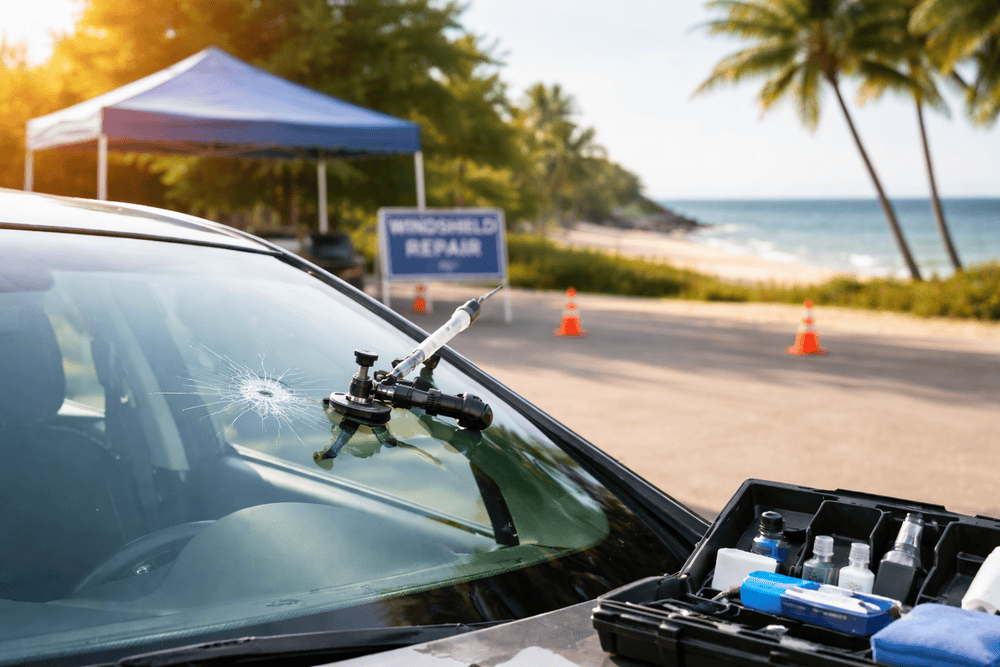
Every motorist fears the sound of that abrupt, piercing pop. A tiny starburst or a spiderweb crack appears directly in your line of sight as you look through the glass, hoping you’re seeing it. Although a passing truck’s loose pebble is typically the direct source of windshield damage, the underlying cause is usually far more subtle and widespread: the changing of the seasons. The windshield of your automobile shields you from the weather and gives the cabin structural stability. Glass is fickle, however. It responds in ways that aren’t usually obvious to the human eye to changes in temperature, air pressure, and road conditions. In July, a little, invisible chip from January can suddenly dart across the glass, leaving you perplexed and needing to schedule a repair.
Get An Auto Glass Replacement Quote Now 866.278.7417

Windshield Replacement & Repair
Our competitors push you into going to their shop to get your glass fixed-making it cheaper for them. We make it easier for YOU to get back on the road by offering free mobile repairs at your home or work. With our free mobile services servicing the entire Orange County & Los Angeles area, we can often handle your windscreen replacement the same day! So the next time you need a windshield replacement, give us a call.
Talk to a Windshield Replacement Specialist Now 866.278.7417

Calibration
Calibration is the process of returning a vehicle’s ADAS to OEM specifications. Calibration is necessary after a new glass installation, particularly a windshield with a camera mounted to it, to ensure that the ADAS features continue to function properly despite having been moved during installation. If a car’s ADAS is not properly calibrated, the system may not function safely. A misaligned camera could jeopardize the functionality of the system and lead to dangerous driving or accidents, so it is crucial that the cameras are aligned perfectly, which is what windshield calibration ensures.
Talk to a Calibration Specialist Now 866.278.7417

Fleet Auto Glass Repair
We provide expert auto glass repair and windshield replacement services for commercial fleets of all sizes. We are experienced with all manufacturers and machine types of domestic or foreign cars, trucks, vans, or commercial vehicles, including heavy equipment. Our same day mobile auto glass and windshield repair service will enable you to get back on the road faster and start saving you time and money instantly. Give us a call today! We are here to help!
Talk to a Fleet Auto Glass Specialist Now 866.278.7417
The Contraction and Impact Season
Perhaps the worst time of year for vehicle glass is winter. Extreme temperature reductions and road conditions designed to battle snow and ice are the two main sources of risk.
The Science of Cold Glass: When heated, glass expands, and when chilled, it shrinks. Your windshield’s glass shrinks and becomes more concave in colder climates.
The glass is significantly strained as a result. The stress created by contraction may rip apart any tiny chips or imperfections in the glass that already exist, transforming a minor imperfection into a significant fracture.
The Defroster Danger: When cold glass is exposed to abrupt, high temperatures, it may cause “thermal shock,” which is one of the most frequent ways that drivers inadvertently damage their windshields.
When you start a frozen automobile, you may quickly generate a temperature difference by turning the defroster on high. The interior surface of the glass rapidly expands while the exterior remains frozen and confined. The tension that results is often sufficient to shatter the glass.
The solution is to never de-ice a windshield with hot water. Rather, start the defroster on a low or medium level and let the vehicle warm up gradually.
Gravel and Road Salt: Municipalities pour sand and salt on roads to keep them driveable. This melts the ice, but it also makes the roadway a shooting range. Traction grit often contains small stones.
Vehicles passing over these missiles hurl them backward at great speed. You have to avoid millions of small pebbles in the winter, in addition to other automobiles.
Changes in Pressure and Potholes
Your windshield may seem protected when the winter melts and the flowers flourish. However, people often overlook the unique challenges that spring brings.
The Pothole Plague: Winter’s freeze-thaw cycle damages asphalt. Water penetrates the road’s crevices, freezes, expands, and causes the pavement to crumble. The ice melts, leaving behind huge potholes.
Potholes may harm more than just your tires or suspension. The strong jolt sends a shockwave through the vehicle’s structure. Some of the kinetic energy is absorbed by your windshield if it is firmly attached. However, that abrupt vibration has the potential to quickly shatter or split glass that is already under stress or has a chip.
Temperature Variations: The weather in the spring is infamously erratic. A beautiful day followed by a chilly night is not unusual. The glass is constantly expanding and contracting as a result of these variations. Over time, this “yo-yo” action erodes the glass’s structural integrity, leaving it more vulnerable to small particulate damage.
Summer: Construction and Heat Expansion: Although summertime driving seems carefree, hot weather may be just as harmful to automobile glass as frigid weather. In fact, heat often acts as a catalyst to transform fixable chips into irreparable fissures.
The Heat Stress Factor: Heat causes glass to expand, just as cold causes it to shrink. The glass molecules in a windshield push against one another when it warms up under the scorching sun. The expansion applies pressure to any stone chips you may have.
The glass eventually breaks away, causing the fracture to expand either horizontally or vertically. The “greenhouse effect” inside your vehicle worsens this.
A car’s interior temperature may rapidly rise beyond 140°F (60°C) while parked in full sunshine. The polyvinyl butyral (PVB) layer, the safety plastic that sits between the two layers of glass, is weakened by this intense heat, which makes the windshield less stiff and more likely to deform.
Do you have a Question?
Get An Auto Glass Replacement Quote Now 866.278.7417
The Shock of Air Conditioning
The danger of reverse heat shock in the summer is comparable to the defroster problem in the winter. You are quickly chilling heated glass if you turn on “Max Cool” on your air conditioner and press it up against your windshield after your vehicle has been frying in a parking lot all day. Stress fractures may result from the abrupt contraction.
The Solution: Before turning on the air conditioner, roll down the windows to allow hot air to escape. Until the inside temperature stabilizes, turn the vents away from the glass.
Road Construction Season: The best season to fix roads is in the summer. Heavy equipment, garbage, and loose gravel are all over construction zones.
The car ahead of you might kick up a piece of milled asphalt even if you drive cautiously. Impact damage is also much more likely during these months due to the increasing number of dump trucks carrying exposed loads of rock and soil.
Autumn: Storms and Debris: Although fall is usually gentler, it is a time of transition and poses some environmental risks.
Falling Debris: Trees release dead branches, nuts, and acorns along with their leaves. A big limb falling during an October gale may break a windshield, yet a single acorn might not. Wet leaves on the road may also conceal pebbles or potholes, causing unanticipated collisions.
The Pre-Winter Drop: The nights in the fall swiftly get chilly. The first frost of the fall is probably when a little chip that you picked up on a summer road trip and didn’t get mended will expand. This period is the crucial maintenance window. You may avoid a complete replacement in January by fixing damage in October.
How to Protect Your Auto Glass Year Round
The weather is beyond your control, but how you handle your car is. You may greatly increase the lifespan of your windshield by implementing a few preventive measures.
Park Wisely: Park in a garage or under a carport whenever you can. In the summer, if you must park outdoors, look for shade to prevent heat accumulation (but do not park directly beneath trees that drop debris). By parking facing east throughout the winter, you may lessen the need for forceful scraping by allowing the early light to naturally thaw the glass.
Keep Your Distance: Staying back is the simplest method to prevent rock chips. Boost your following distance, particularly when you’re behind big trucks, construction equipment, and snowplows.
Examine Frequently: Develop the practice of looking at your windshield each time you wash your vehicle. While driving, be vigilant for any small chips or pits that you might overlook.
It is crucial to promptly repair any damage to your vehicle’s glass. For a fraction of the price of a replacement, resin may be used to fill a tiny chip. The only safe course of action is to replace it after it fractures since doing so compromises the structural integrity.
Common Questions: Is it safe to drive with a broken windshield? The crack’s position and size determine this. It is unsafe and against the law if the damage blocks your vision. In addition, the windshield helps prevent roof crush in the event of a rollover. A cracked windshield could not offer the necessary safety support because it is weaker.
Is windshield repair covered by insurance? Yes, in many instances. Many comprehensive insurance plans cover glass repair with either no deductible or a very low one.
Insurance companies often would rather pay for a low-cost repair now than a costly replacement later. For more information, see your particular policy.
How can I determine if a chip can be fixed? Chips can usually be fixed if they are less than a quarter and out of the driver’s direct line of sight. Usually, a complete replacement is needed if the damage is more significant, includes a lot of spiderwebbing, or extends to the border of the windshield.
Don’t Let the Weather Win: Your windshield serves as a barrier against the chaotic physics of the road and the environment, and it’s more than simply a window. The elements are continuously pushing the boundaries of that transparency, whether it is the summer sun’s heat expanding the glass or the winter’s bitter cold shrinking it.
You can drive more intelligently if you are aware of these seasonal pressures. Give vehicles plenty of space, prevent heat shock, and take care of little damage before the weather makes it a big problem. For safe driving in any season, having a sharp vision of the road is essential, not simply a luxury.
Why Is My Windshield Cracking
Every motorist is familiar with the unique, nauseating noise. It’s the jarring sound of a pebble striking glass, followed instantly by the depressing knowledge that your windshield is broken.
But sometimes, the harm manifests itself inaudibly. Your car’s glass appears immaculate when you park it in the evening, but the following morning you discover a spiderweb fracture extending over the passenger side.
Windshield damage is usually not random, even if it seems like poor luck. It has to do with physics. Physical impacts, structural tensions, and environmental factors are all continuously attacking your car’s glass. Even though laminated glass is designed to be extremely durable, it has a breaking point that prevents the roof from collapsing during a rollover and ensures your safety in the event of a collision.
The best method to safeguard your windshield is to understand what causes it to reach that limit. You can avoid costly repairs by learning how the weather and road conditions affect your car.
Temperature Fluctuations (Thermal Stress): Although glass gives the appearance of solidity, it is really continually responding to heat and cold at the molecular level.
Automotive glass expands when heated and shrinks when cooled, much like most other materials. If the whole piece of glass changes temperature at the same pace, this natural expansion and contraction typically isn’t an issue.
Uneven or quick temperature variations are the first signs of problems. “Thermal stress” is the term used to describe this occurrence.
The Risk of Winter Defrosters
Most often, chilly winter mornings cause thermal stress. The temperature of your windshield is 20°F (-6°C). To melt the ice, you immediately put the defroster on high heat after getting in and starting the engine.
Hot air suddenly strikes the bottom of the windshield, causing that portion of the glass to quickly expand. The top of the windshield, however, is still frozen and compressed.
The glass layers are very tense because of the opposing pressures of contraction at the top and expansion at the bottom. That strain will reveal any flaw in the glass, regardless of how small, and cause it to develop into a lengthy fracture.
The Summer Scorcher: During the summer, the opposite occurs. The temperature inside your automobile may quickly rise significantly if it has been scorching in 90-degree sunshine.
The glass has expanded and is heated. The same outcome—a stress crack—occurs if the air conditioner is blasted straight into the windshield because the cold air shock promotes rapid contraction in some areas. Method of Prevention:
Warm up gradually: Set your defroster to a lower level and allow your vehicle to warm up gradually over the winter. Boiling water should never be used on a frozen windshield.
Cool down gradually: In the summer, avoid aiming cold air directly at the heated glass right away and instead roll down the windows to allow hot air to leave before turning on the air conditioner.
Do you have a Question?
Get An Auto Glass Replacement Quote Now 866.278.7417
Projectiles and Road Debris
Though there is more to it than a pebble striking a hard surface, this is the most apparent offender. Laminated safety glass is used to make modern windshields.
This kind of break is made up of two glass layers with a polyvinyl butyral (PVB) layer positioned between them. When a rock strikes your windshield, it often damages the outer layer of glass. This results in a chip that is often referred to as a “bullseye” or “star break.”
The “Ticking Time Bomb” Chip: Many drivers disregard little rock chips because they believe they are just aesthetic problems. This is a risky misunderstanding. A chip indicates a structural vulnerability in the glass’s surface tension.
Surface tension is essential to the integrity of the windshield. The glass loses a great deal of strength in that location once a pit or chip compromises that tension.
The other elements in this list revolve around a tiny chip. A chipped windshield may fracture rapidly in response to a temperature shift that a healthy windshield might withstand with ease. The chip provides a starting point for the fracture. Method of Prevention:
Increase your following distance since the tires of the car in front of you often throw up gravel and debris. Maintaining a safe distance significantly reduces risk, especially when driving on dirt roads or behind construction vehicles.
Repair right away: If you see a chip, take it to a repair shop and wrap it with transparent tape to keep debris out. Resin may be used to fill most chips less than a quarter, repairing the structure before a fracture appears.
Structural Weakness and Pressure Stress
There are instances when a fracture develops without any indication of impact—no rock chip, no severe weather. These are often classified as stress cracks and are brought on by changes in the glass’s physical pressure.
Your windshield is essential to the structural integrity of the cabin of your car. The windshield also provides support for the roof. It is exposed to the same bending and flexing stresses as the rest of the automobile since it is a structural component.
Installation Errors: A windshield may sit unevenly in the pinch weld (the frame that supports the glass) if it is not placed properly. Residual tension accumulates in the corner that is tighter than the others.
Under this continuous force, the glass may eventually break from typical driving vibrations. These fissures often begin at the glass’s very edge and progress inside.
Despite being composed of steel and aluminum, automobiles’ chassis bend while you drive. The car’s structure bends a little as you drive over a speed bump, hit a deep pothole, or go over uneven ground.
Properly placed windshields move with the vehicle. The bending of the frame, however, may apply more pressure than the glass can bear if the impact is strong enough.
Wind Speed
High wind speeds may cause glass failure, albeit they are uncommon while driving in cities. At highway speeds, a windshield experiences a considerable amount of air pressure. If the glass already has a little chip or fault, the wind’s impact on the surface may be sufficient to exacerbate the damage.
Method of Prevention: Reduce the twisting stress on your car’s chassis by reducing your speed when you approach potholes and speed bumps.
Use high-quality installation: To guarantee that the glass adheres to the frame properly and without uneven pressure points, use a qualified technician who applies premium urethane and the appropriate primer when replacing a windshield.
Don’t Wait Until It Shatters: Tire rotations and oil changes are often higher priorities for car owners than windshield upkeep. However, one of your car’s most important safety elements is the glass. It guarantees vision, shields you from the weather, and strengthens the cabin’s structure in the event of an accident.
Please have it repaired if you notice a small chip. Please schedule a replacement appointment promptly if you notice a stress crack developing. Glass damage jeopardizes everyone’s safety in the car, and as we’ve seen, physics and nature are always trying to fix that little fracture.
Mobile Safe Auto Glass
14241 E Firestone blvd suite 400,
La Mirada, CA 90638
Phone: (562) 608-1154
Toll Free: 1 866 278 7417
Mail: sales@mobilesafeautoglass.com
Get a FREE QUOTE today! You can get a free quote and schedule 24/7 using this free quote wizard.
Mon – Fri 8am – 5pm
Saturday 8am – 1pm
Sunday Closed