Broken Windshield Structural Role in Vehicle Safety
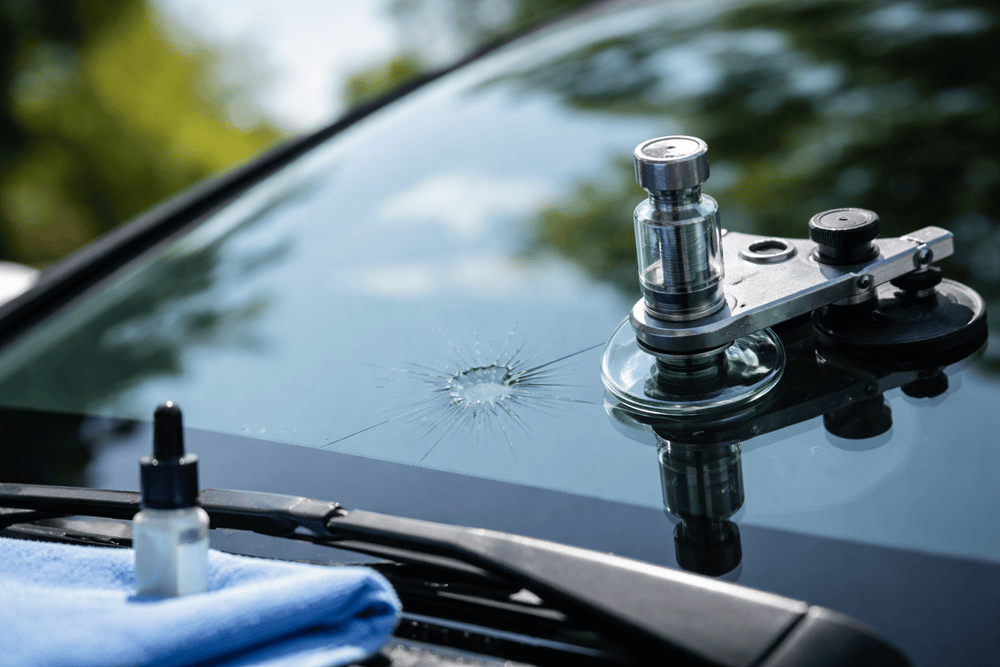
When you hear that clear, piercing pop, you are enjoying the wide road while traveling down the interstate. Two lanes over, a semi-truck has thrown up a rock, leaving its imprint on your windshield. You look at the window and see a little chip in the form of a star close to the passenger side. This response is typical for millions of drivers. Most of the time, we consider our windshields to be protection from the wind, rain, and insects. We presume the car is secure if the view is unhindered. But contemporary car engineering puts a lot more strain on that piece of glass than just keeping the weather out.
Get An Auto Glass Replacement Quote Now 866.278.7417

Windshield Replacement & Repair
Our competitors push you into going to their shop to get your glass fixed-making it cheaper for them. We make it easier for YOU to get back on the road by offering free mobile repairs at your home or work. With our free mobile services servicing the entire Orange County & Los Angeles area, we can often handle your windscreen replacement the same day! So the next time you need a windshield replacement, give us a call.
Talk to a Windshield Replacement Specialist Now 866.278.7417

Calibration
Calibration is the process of returning a vehicle’s ADAS to OEM specifications. Calibration is necessary after a new glass installation, particularly a windshield with a camera mounted to it, to ensure that the ADAS features continue to function properly despite having been moved during installation. If a car’s ADAS is not properly calibrated, the system may not function safely. A misaligned camera could jeopardize the functionality of the system and lead to dangerous driving or accidents, so it is crucial that the cameras are aligned perfectly, which is what windshield calibration ensures.
Talk to a Calibration Specialist Now 866.278.7417

Fleet Auto Glass Repair
We provide expert auto glass repair and windshield replacement services for commercial fleets of all sizes. We are experienced with all manufacturers and machine types of domestic or foreign cars, trucks, vans, or commercial vehicles, including heavy equipment. Our same day mobile auto glass and windshield repair service will enable you to get back on the road faster and start saving you time and money instantly. Give us a call today! We are here to help!
Talk to a Fleet Auto Glass Specialist Now 866.278.7417
The Laminated Glass Engineering Process
You must first comprehend how a windshield is constructed to comprehend why it is structural. The front windshield is composed of laminated glass, rather than the side windows or rear windshield, which are usually composed of tempered glass that breaks into dull, innocuous cubes when struck.
In essence, laminated glass is a high-tech sandwich. A sturdy layer of polyvinyl butyral (PVB) or a comparable plastic safety interlayer holds two layers of glass together.
If a rock hits your windshield, the system will remain intact thanks to the plastic intermediate layer, but the outer layer may break apart. The original purpose of this design was to shield occupants from flying glass fragments in the case of an accident.
But as the years went by, car experts discovered that this resilient, pliable substance was capable of much more. To keep the cabin together under severe strain, they started designing the vehicle’s construction to depend on the strength of the windshield.
Defending Against Roof Collapse in Rollover Accidents Rollovers are among the most terrifying sorts of accidents that may occur. The weight of the whole automobile sits on the roof and pillars as it flips. The survivability area for the passengers of earlier automobiles was greatly reduced by the roofs’ propensity to collapse inward.
In modern vehicles, the windshield functions as a structural support beam throughout the driving experience. The A-pillars, which are the vertical supports on either side of the windshield,, as well as the firewall, are connected to the roof via this structure.
According to estimates offered by the industry, the windshield is responsible for providing a significant portion of the structural strength that is required to keep the roof from collapsing in the case of a rollover catastrophe. The glass’s capacity to support that vertical force is weakened if it is chipped or broken.
A fracture creates a weak spot in the glass by breaking its surface tension. It is far more probable that a windshield that has been compromised would crack or totally pop out when subjected to the huge pressure that is caused by a rollover. Without such support, the roof is more likely to give way, putting anybody within at risk for serious head and neck injuries.
The Backboard Airbags
Perhaps the most important justification for fixing chips right away is the connection between your windshield and airbags. The majority of drivers believe that the passenger-side airbag just ejects itself directly at the passenger. The deployment is really much more intricate and brutal.
At almost 200 miles per hour, the passenger airbag deploys upward in the event of a front-end accident. Its purpose is to cushion the passenger by striking the inside of the windshield and then bouncing outward. By serving as a backboard, the windshield absorbs the enormous power of the airbag’s deployment and guides it to its destination.
The windshield has to be robust enough to sustain the first explosive contact without shattering in order for this system to function. The power of the airbag may break the windshield or separate it from the frame if a fracture has made the glass weaker.
The airbag can deploy via the gap outside the vehicle or at the incorrect angle if the glass breaks. Either way, the passenger is exposed to hitting the dashboard, as they no longer have that vital cushion.
Ejection Prevention: The windshield is the second line of protection against being flung from a car, but seatbelts are the first. The windshield is intended to retain passengers within the cabin in the event of a serious collision when seatbelts are not used or malfunction.
Laminated glass’s PVB layer is resilient and flexible. It functions as a net by stretching and absorbing energy. The interlayer keeps the glass together even if it breaks into thousands of fragments, forming a barrier that is impossible to break through.
An existing fracture weakens this barrier. If the glass is already damaged, the car loses the structural integrity needed to retain a person inside. Statistics show that a windshield failure significantly reduces the likelihood of survival in a collision, potentially leading to ejection.
Do you have a Question?
Get An Auto Glass Replacement Quote Now 866.278.7417
The Eyes of Your Car
Recently, a digital component has been added to the windshield’s structural duty. Advanced Driver Assistance Systems are standard on the majority of new cars.
These systems often fix their cameras and sensors directly to the windshield, usually behind the rearview mirror. To read traffic signs, identify people, and keep an eye on lane lines, these cameras peer through the glass.
Even if a windshield crack is not in the driver’s direct line of sight, it can hinder these sensors. Unlike solid glass, a break refracts light in a peculiar way. This could confuse the camera and cause it to malfunction or disengage when you need it most.
Furthermore, it takes more than simply adhesive and glass to replace a windshield on a contemporary automobile. These cameras need to be calibrated precisely.
The ADAS systems could be out of alignment if the glass is not placed precisely or if a fracture slightly moves the glass’s location. A single degree of misalignment may cause a safety system to miscalculate distances by many feet later on, which might result in collisions that the vehicle was meant to avoid.
A Chip Turning Into a Crack
Because they think a little chip will remain small, many drivers put off repairs. Glass, regrettably, is constantly stressed. The chassis bends and twists when your vehicle passes over uneven terrain, potholes, and speed bumps. Through the glass, this vibration is transmitted.
Another adversary of broken glass is temperature changes. When the defroster is blasted on a cold windshield in the winter, it expands quickly. Contraction occurs when heated glass is exposed to hot air conditioning during the summer. These heat shocks can quickly transform a small rock chip into a massive crack that covers the entire windshield.
The unit’s structural integrity is often deemed lost whenever a chip spreads into a fracture longer than a dollar bill, necessitating a complete replacement rather than a simple resin fill.
Prioritizing Safety Over Convenience: When looking at vehicle glass from the perspective of structural engineering, it is simple to classify windshield replacement as a maintenance annoyance that should be placed on the to-do list immediately after “clean the garage.”
Windshields are an essential component of an automobile’s overall safety system. In addition to providing the computer in the vehicle with a vision of the road, the windshield also serves to protect the occupants, provide support for the roof, and guide the airbags. Every single one of those safety mechanisms is compromised when the glass is compromised.
Fill your chip while it’s still little if you have one. Make arrangements for a replacement right away if you have a crack. A deductible is a tiny fee to pay for the guarantee that your car will function as the steel cage of protection it was intended to be.
Hidden Safety Role of Your Cars Windshield
The majority of drivers consider their windshield to be only a clear barrier against the elements, including wind, rain, and insects. It keeps the weather away and offers a clear view of the road ahead.
However, this simple piece of glass serves a far more important purpose than just keeping dirt out. A vital part of modern car design’s safety restraint system (SRS), the windshield helps screen occupants from harm in the case of an accident.
Airbags, crumple zones, and seatbelts are probably the first things that come to mind when you think about automobile safety. Nevertheless, without a physically robust windshield, none of these measures can function to their maximum capacity.
When designing automobiles, engineers assume that the glass will stay securely in place in the event of an incident. If the glass fails, either due to incorrect installation or existing damage, it seriously jeopardizes the efficacy of other safety measures.
You may see a simple rock chip differently if you know how your windshield maintains the structural integrity of your car. It is a possible vulnerability in your car’s armor, not merely a visual irritation. This manual examines the engineering behind windshield safety and explains why preserving its integrity is essential for the protection of drivers and passengers.
A Structural Pillar, Not Just a Pane Windscreens were basically glass windows in the early days of automobile history. They provided little protection in the event of an accident and often broke into sharp pieces.
Nowadays, laminated safety glass—two layers of glass connected by a polyvinyl butyral (PVB) layer in the center—is used to make windshields. If the glass breaks, this architecture makes sure it doesn’t shatter but instead stays intact.
However, the glass alone only provides a partial picture. Equally crucial is the manner in which it is attached to the car.
The windshield is pinch welded to the car’s chassis using powerful urethane adhesives. This connection makes the glass a structural component of the vehicle’s body shell.
Automotive engineers rely on this relationship to keep the interior rigid. The windshield contributes significantly to the overall structural strength of many contemporary automobiles. By stiffening the body like a beam, it lessens body twist and improves the design’s overall crashworthiness.
The Backstop for Your Passenger Airbag
One of the most important components of vehicle safety is the interaction between the windshield and the front passenger airbag. The passenger airbag deploys in a different way from the driver’s airbag, which deploys straight from the steering wheel toward the driver.
To properly place itself in front of the passenger, it shoots upward from the dashboard and bounces against the windshield. An airbag may deploy up to 200 miles per hour during a collision. The action produces a tremendous amount of power.
For the windshield to survive this catastrophic collision without separating from the frame, it must be sufficiently robust. To cushion the passenger, it serves as a backstop, absorbing the energy of the airbag when it deploys and channeling it toward them.
Should the windshield be placed incorrectly or structurally compromised by a fracture, the airbag’s force may drive the glass out of the car. In the absence of the backstop, the airbag can pop out through the gap where the windshield formerly was. This feature significantly raises the possibility of serious injury or death by providing the passenger with little to no protection from the dashboard and the collision’s forces.
Do you have a Question?
Get An Auto Glass Replacement Quote Now 866.278.7417
How to Avoid Roof Collapses During Rollovers
Keeping the cabin’s survival area intact is crucial in rollover accidents, which are among the most severe kinds of collisions. At this point, the windshield’s role in enhancing roof crush resistance becomes crucial. The glass’s structural support helps keep the roof from falling on the people within.
The weight of the car presses on the glass and roof pillars in the event of a rollover. Vehicles must endure forces often many times their own weight to meet automotive safety regulations. The windshield plays a major role in fulfilling these requirements.
In a rollover accident, the windshield may contribute up to 60% of the cabin’s structural integrity; in a head-on impact, it may contribute up to 45%.
The roof loses a significant amount of support if the glass breaks off or separates from the frame too soon because of impaired integrity. This makes it more likely that the roof may collapse into the passenger cabin, causing severe head and neck injuries.
The Risks of Chips and Cracks: Because of the windshield’s structural duties, even little damage may pose a serious risk to public safety. A tiny fracture or chip breaks the glass’s surface tension, resulting in a weak spot. That weakness may spread while driving over speed bumps or striking potholes, among other stressful situations.
The actual risk, however, occurs during a collision. The forces of collision or airbag activation may be too much for a windshield with a large fracture.
Damage changes the way that energy moves through the material since glass is made to handle energy in certain ways. In a collision, a damaged windshield is more likely to break or separate, not supporting the airbag or the roof as it should.
Chips and cracks may also make it harder to see. Particularly at night or in strong sunshine, glare from light refraction via broken glass may slow down a driver’s response time.
Advanced Systems for Driver Assistance
Advanced Driver Assistance Systems (ADAS) in contemporary cars add yet another level of intricacy to windshield integrity. Features like adaptive cruise control, automatic emergency braking, and lane departure warning often employ cameras and sensors mounted directly on the windshield.
For these cameras to work properly, the glass has to be optically flawless. Cracks in a camera’s range of vision can cause confusion, malfunction, or disengagement just when you need it most.
These devices also need to be carefully recalibrated when a windshield is changed. The camera angle may be incorrect by only millimeters if the glass is not placed according to manufacturer standards. Such an oversight might result in feet of mistake later on and could cause the vehicle to stop too late or veer out of its lane.
The Significance of Appropriate Replacement: As safety equipment, the windshield should be replaced with the same priority as tires or brakes. It is a structural repair rather than a cosmetic one.
Certified technicians that understand the intricacies of contemporary car architecture are necessary for proper installation. They need to employ premium glass that satisfies Original Equipment Manufacturer (OEM) requirements and, most importantly, the right urethane adhesives.
For this glue to reach its maximum strength, it must cure. This phrase is referred to as the Safe Drive Away Time, or SDAT for short. If you drive a car before the glue has had time to dry, an abrupt halt or accident could cause the windshield to come off.
Trustworthy car glass companies will always let you know about the SDAT, which may vary from one to twenty-four hours depending on the weather and adhesive type. If you’re looking for a replacement, put safety above cost or convenience.
Although a bargain-basement installation may save money up front, your car’s safety is jeopardized if they use subpar adhesive or neglect the required priming procedures.
Keeping the Integrity of Your Vehicles
There are ways your automobile protects you that aren’t always obvious. Silently, the windshield serves as a roof pillar reinforcement, an airbag support, and a structural beam. It is an intricate technical component that is necessary for the Safety Restraint System.
Ignoring a fracture or selecting a poor replacement service compromises the meticulous engineering intended to protect you. Give your windshield the attention it needs.
Deal with chips as soon as possible to stop them from spreading, and make sure that any replacements are handled by qualified experts who follow strict safety guidelines. Maintaining the integrity of your glass guarantees that your car is ready to shield you and your loved ones in the worst-case scenario.
Mobile Safe Auto Glass
14241 E Firestone blvd suite 400,
La Mirada, CA 90638
Phone: (562) 608-1154
Toll Free: 1 866 278 7417
Mail: sales@mobilesafeautoglass.com
Get a FREE QUOTE today! You can get a free quote and schedule 24/7 using this free quote wizard.
Mon – Fri 8am – 5pm
Saturday 8am – 1pm
Sunday Closed