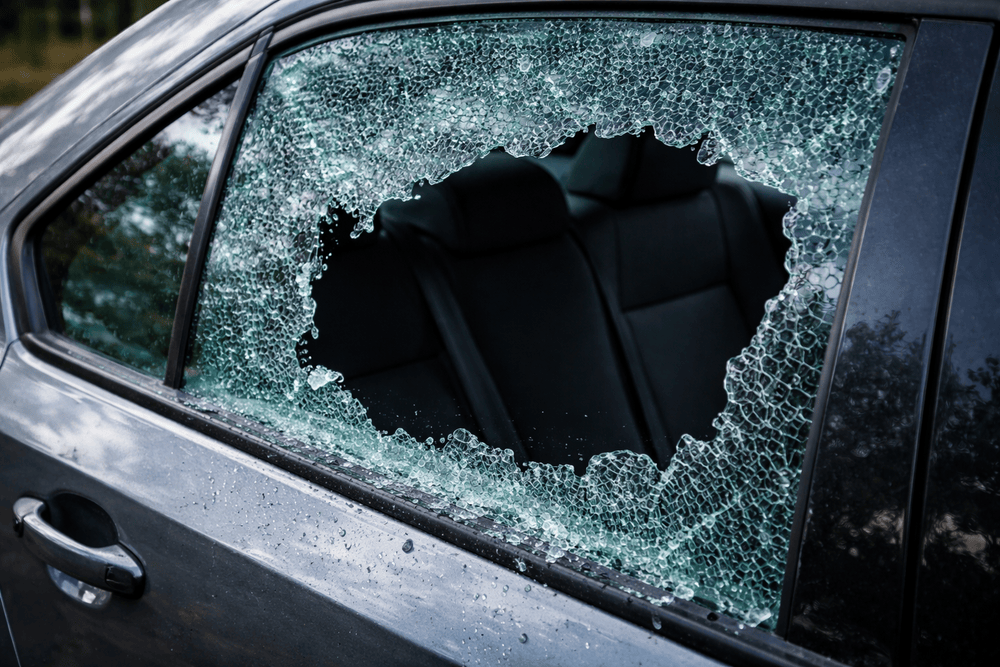
Upgrade Options Driver Side Window Replacement
Your driver-side window has to be replaced if it breaks, cracks, or stops working. Consider this, though, before you hasten to get it back to factory standards: replacing the windows offers a chance to add features that improve security, comfort, and car value. The majority of car owners view window replacement as a simple fix that involves matching the original glass and continuing on. Even though this is ideal, looking into upgrade possibilities when replacing can help you deal with problems you’ve had for years. Perhaps the summer heat makes your car intolerable even with the air conditioner running at full blast, your windows fog continuously, or road noise interferes with every trip. From tinting and specialty glass to cutting-edge technologies like rain sensors, this article outlines doable upgrade options for driver side window replacements.
Get An Auto Glass Replacement Quote Now 866.278.7417

Windshield Replacement & Repair
Our competitors push you into going to their shop to get your glass fixed-making it cheaper for them. We make it easier for YOU to get back on the road by offering free mobile repairs at your home or work. With our free mobile services servicing the entire Orange County & Los Angeles area, we can often handle your windscreen replacement the same day! So the next time you need a windshield replacement, give us a call.
Talk to a Windshield Replacement Specialist Now 866.278.7417

Calibration
Calibration is the process of returning a vehicle’s ADAS to OEM specifications. Calibration is necessary after a new glass installation, particularly a windshield with a camera mounted to it, to ensure that the ADAS features continue to function properly despite having been moved during installation. If a car’s ADAS is not properly calibrated, the system may not function safely. A misaligned camera could jeopardize the functionality of the system and lead to dangerous driving or accidents, so it is crucial that the cameras are aligned perfectly, which is what windshield calibration ensures.
Talk to a Calibration Specialist Now 866.278.7417
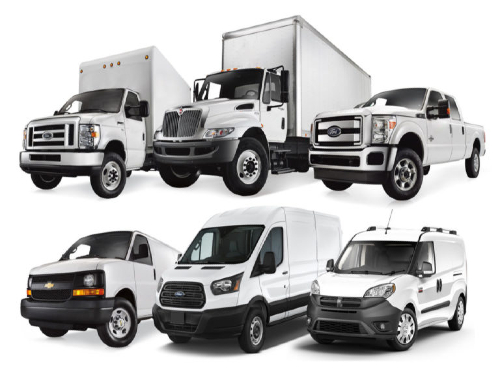
Fleet Auto Glass Repair
We provide expert auto glass repair and windshield replacement services for commercial fleets of all sizes. We are experienced with all manufacturers and machine types of domestic or foreign cars, trucks, vans, or commercial vehicles, including heavy equipment. Our same day mobile auto glass and windshield repair service will enable you to get back on the road faster and start saving you time and money instantly. Give us a call today! We are here to help!
Talk to a Fleet Auto Glass Specialist Now 866.278.7417
Recognizing Your Starting Point
You must be aware of your possibilities for replacement glass before looking into upgrades. Original Equipment Manufacturer (OEM) glass has the precise thickness, tint, and quality standards as specified by the factory for your car. Third-party producers provide aftermarket glass, which ranges in quality from low-cost substitutes to high-end options that surpass OEM requirements.
OEM glass preserves the original characteristics of your car and ensures a precise fit. OEM glass is usually the safest option for premium cars where exact calibration is important for safety systems, and insurance companies frequently cover it for newer models.
On average, aftermarket glass is 30–50% less expensive. Because quality varies greatly, find out about the warranty terms and reputation of the manufacturer. While some aftermarket manufacturers make glass that satisfies or beyond OEM specifications, less expensive solutions could use thinner, more fragile glass.
Both OEM and high-quality aftermarket glass can be used as your starting point for upgrades. Prior to adding any improvement features, it is crucial to make sure that the fit is correct and that safety regulations are met.
Window Tinting Options for Privacy and Heat Reduction: The most common driver-side window enhancement is window tinting. Beyond appearance, tinting provides privacy without obstructing inside visibility, lowers interior heat, and blocks UV radiation.
The least expensive tinting option is dyed window film, which usually costs between $50 and $100 per window. This film uses several dye layers to reduce glare and absorb solar radiation. Although inexpensive, dyed film has the lowest heat rejection of all tinting options and degrades with time.
Tiny metallic particles are included into metalized film to reinforce the window and deflect heat. Compared to dyed film, this solution offers better heat rejection and costs $100 to $200 per window. However, a major disadvantage for contemporary cars with numerous technological systems is that metallic film can interfere with radio signals, GPS, and mobile phone reception.
In addition to providing superior heat rejection, carbon film solves the issue of signal interference. It blocks about 40% of infrared radiation and has a matte surface that won’t fade like colored film. You should budget $150 to $300 each window. Since carbon film greatly reduces glare without sacrificing visibility, it is especially effective for driver-side windows.
At the high end, ceramic film costs between $200 and $400 per window. With no metallic composition, this film blocks up to 50% of solar heat using ceramic particles. Ceramic tinting offers the highest level of UV protection, resists fading, and preserves optimal signal clarity. Ceramic film offers quantifiable comfort benefits that make the expense worthwhile for drivers who spend a lot of time in their cars or in hotter areas.
The Visible Light Transmission (VLT) percentage, which is used to quantify window tint darkness, is regulated in the majority of states. During traffic stops, law enforcement can see inside thanks to driver side windows, which normally demand a minimum VLT of 35–50%. Before deciding on tint darkness, check your local laws.
Cutting Down on Road Noise
Cabin noise is greatly reduced by acoustic or laminated glass, which is a desirable option if your daily commute involves traveling on the highway or through cities. This form of glass blocks the frequencies that generate traffic noise, wind whistling, and road noise by sandwiching a sound-dampening layer between two glass panels.
Sound is easily transmitted through ordinary tempered glass. A 50% perceived reduction in sound levels can be achieved by using acoustic glass, which can reduce noise by 6–10 dB. On highways, where wind noise usually drowns out discussions or requires you to turn up the radio, the difference is immediately apparent.
The cost of installation is $200–400 more than that of a replacement. Since acoustic glass is frequently standard on luxury cars, replacing it with the same technology preserves the peaceful interior atmosphere of your car.
For those who want a more tranquil driving environment, such as rideshare drivers or traveling salespeople, this update makes the most sense. During lengthy travels, parents with small children also value noise reduction.
Defrosting and Deicing: For drivers in cold climates who frequently scrape ice or wait for windows to defrost, heated driver-side windows offer a useful improvement. Within minutes after activation, thin heating components implanted in the glass produce ice, condensation, and frost.
Usually, this feature raises replacement costs by $150 to $300. The system is connected to the electrical system of your car and can be turned on by a switch on the dashboard or by your rear defroster working automatically.
In addition to being convenient, heated glass increases safety. Instead of pulling away with your windows partially obscured, you can clear your view before you drive. Additionally, the method avoids ice accumulation during freezing rain, which frequently results in decreased vision and mishaps.
Certain systems have rain-sensing features that automatically turn on heating elements when they detect wetness. Although it costs an extra $100 to $200, this sophisticated function removes the need for human system control.
Do you have a Question?
Get An Auto Glass Replacement Quote Now 866.278.7417
Tinting in the Factory Style
Applying window tint is not the same as privacy glass. In order to create a permanent dark tint that never peels, bubbles, or fades like film applications, manufacturers add pigment during the glass manufacturing process.
This upgrade offers 20–30% VLT, which is much darker than most tinting standards permit for driver side windows with applied films, and costs $100–250 more than a conventional replacement. However, some countries treat privacy glass differently under tinting regulations because it is a glass property rather than an applied film.
For a uniform look, privacy glass works best when replacing several windows. There is a clear visual mismatch with the passenger windows when it is just installed on the driver’s side.
The primary benefit is longevity. Privacy glass doesn’t deteriorate over the course of the vehicle’s lifetime, unlike film that needs to be replaced every five to ten years. Because you won’t have to deal with film edges or bubbling over time, cleaning will also be easier.
Water-Repellent Glass with Hydrophobic Coating: Hydrophobic coatings produce an imperceptible barrier that makes water roll and bead off glass instead of spreading and obstructing vision. Driver-side windows benefit when it rains since water flakes across the glass while you’re driving, but windshields are more affected by this characteristic.
Each window of professional application costs $75 to $150. While DIY products offer a more affordable choice with 3-6 month effectiveness, the coating lasts 1-2 years before needing to be reapplied.
When traveling on a highway in the rain, this update is fantastic. At over 40 mph, water beads off without the need for wipers, allowing you to see clearly through your driver-side window to check your blind spots and mirrors.
When applied correctly, hydrophobic coatings also make cleaning easier. Because dirt and filth are easier to remove, cleaning must be less forceful, which over time could scratch the glass.
Technology Based on Electrochromic
“Smart” or electrochromic glass is the state-of-the-art in window technology. By pressing a button, you can electronically change the transparency of this glass. The glass changes from clear to dark in a matter of seconds by means of an electrical current.
This expensive addition, which costs between $800 and $1,500 for a driver-side window, is best suited for luxury cars or custom builds. Instant privacy and glare control are provided by the technology, which also does away with the need for manual shades or sun visors.
Cost, restricted availability for the majority of car types, and the requirement for expert installation with appropriate electrical integration are the current drawbacks. Smart glasses might become more widely available for regular cars as costs come down and technology improves.
UV Protection: Health-Focused Glass: While normal glass only filters roughly 97% of UVB rays and permits significant UVA penetration, enhanced UV-protective glass prevents up to 99% of harmful ultraviolet rays. This modification, which ranges in price from $50 to $100, is important for drivers who are worried about sunburn from commuting.
According to medical study, window exposure causes drivers to get more sun damage on their left side (or right side in nations with left-hand traffic). This risk is reduced with UV-protective glass, which also stops interior fading and dashboard cracking brought on by extended sun exposure.
Window tinting and this improvement go hand in hand because they both deal with sun-related problems. However, tinting or other specialist coatings are required to get the benefits of reduced heat and glare that UV-protective glass alone cannot provide.
Choosing the Best Option for Your Circumstance
Your environment, driving style, and financial situation all influence the upgrades you choose. Determine your main pain points first. Do you have trouble with glare and heat? Give ceramic tinting top priority. Are you bothered by road noise when you commute? Acoustic glass makes a significant difference. Do you scrape ice off windows on a regular basis? Everyday convenience is provided by heated glass.
Think about the age and worth of your car. For newer automobiles you want to retain for a long time, high-end improvements like ceramic tinting or smart glass make more sense. For older cars when you desire functionality without making a big financial commitment, budget solutions are fine.
Your selections are also impacted by insurance coverage. Upgrades might not be covered by most policies, although typical replacements are. For a slight premium increase, some insurers do, however, provide upgrade endorsements that cover improved glass features. Before making costly upgrades, review your policy or speak with your agent regarding coverage.
Locating Reputable Installation Services: Without adequate installation, even the best glass upgrades fall short. Water leaks, wind noise, and early failure are all results of improper fitting. Select installers who have certified technicians with experience in the make and model of your car.
Inquire about labor and part warranties from possible installations. Reputable stores respect manufacturer warranties on glass and film products and provide lifetime warranties on installation work.
Get quotations from several stores, but don’t just pick the one with the lowest price. Rock-bottom quotes frequently point to low-quality materials or unskilled technicians who might take shortcuts. The finest deals are usually found in mid-range quotations from reputable stores with good feedback.
Before releasing your car, make sure the installers used the right adhesives and gave it enough time to cure. Rushing the procedure results in repeated repairs and seal failures.
Modern Driver Side Window Replacement with Advanced Features
There’s more to your driver-side window than merely rolling up and down. Sophisticated window systems that provide improved comfort, convenience, and safety are standard on modern cars.
When looking for “driver side window replacement near me,” being aware of these cutting-edge characteristics will assist you decide on repairs and improvements. The days of car windows being just pieces of glass that were turned by hand are long gone. Modern driver-side windows use state-of-the-art technology that works with the rest of your car’s system.
Your driving experience can be greatly impacted by knowing what features are available, whether you’re dealing with a damaged window or thinking about upgrading. In order to assist you understand what is available and what is most important for your car, this guide examines the advanced features you might come across when replacing your driver-side window.
Smart Glass Technology: One of the biggest developments in car window technology is smart glass. Thanks to this innovation, your driver-side window may automatically adjust to changing lighting conditions.
Electrochromic glass reduces glare without the need for conventional window tints by darkening or lightening according to the strength of the sun. Choosing smart glass technology when replacing your driver-side window will improve sight on bright days and lessen eye strain on lengthy rides.
Certain smart glass systems use the sensors in your car to change the tint according to the time of day and your GPS position. For drivers who commute at sunrise or sunset, when glare is most severe, this function is especially helpful.
Glass Laminated with Acoustic
Most individuals are unaware of how much noise pollution impacts driving comfort. Acoustic laminated glass greatly reduces outside noise by combining many layers with a unique sound-dampening interlayer.
If you regularly travel on highways or through congested cities, this cutting-edge technology becomes really helpful. Additionally, the laminated construction strengthens your window’s structure, increasing its resistance to impacts and break-ins.
Acoustic glass can make your cabin a more tranquil and serene area when you’re thinking about replacing your driver-side windows. Although this technology is becoming offered as an upgrade option for the majority of automobile models, many luxury vehicles come with it as standard.
Hydrophobic Coatings: Water-repellent coatings are becoming a common cutting-edge driver-side window feature. By causing water to bead up and roll off the glass surface, these hydrophobic coatings enhance visibility in the rain without the need for windshield wipers.
By forming an imperceptible barrier at the molecular level, the coating stops water from sticking to the glass. This translates to less time spent cleaning your windows and better eyesight during storms.
The majority of hydrophobic coatings need to be reapplied after a few months. It’s worth taking into account when replacing your driver-side glass because some repair services include this treatment in their premium packages.
Do you have a Question?
Get An Auto Glass Replacement Quote Now 866.278.7417
Elements of Integrated Heating
These days, heated windows aren’t limited to rear windshields. Modern driver-side windows can have almost undetectable heating components that rapidly remove fog and thaw ice.
On chilly mornings, these thin wire grids or transparent conductive coatings heat the glass surface uniformly, doing away with the need to scrape ice. Usually, a button press initiates the system, which then automatically turns off after a predetermined amount of time to save battery life.
This function provides substantial convenience and safety advantages for drivers in colder climates. The time your car must idle before you can drive safely is shortened by clear visibility, which occurs more quickly.
Auto Up/Down with Anti-Pinch Technology: Although power windows have been around for many years, more advanced safety features in contemporary models help to avoid accidents. When the window comes into contact with an obstruction when closing, anti-pinch technology uses sensors to identify resistance.
The device instantly reverses direction and lowers the window if it senses unexpected pressure, like that from a hand or object. Safety rules have made this feature standard in many cars, however it may not be present in earlier models.
Making sure your car has this technology installed when you replace the driver-side window protects all of your passengers, especially the kids. Convenience is increased with the one-touch auto up/down feature, which enables full window operation with a single button press instead of holding the switch.
Glass with UV Protection
Long-term exposure to the sun through automobile windows can discolor the interior of your car and harm your skin. UV-protective glass lets visible light through while blocking dangerous UV rays.
This cutting-edge innovation lowers your chance of sun damage during lengthy rides by shielding you from up to 99% of UV rays. Additionally, it protects your dashboard, seats, and other interior parts from fading and cracking caused by the sun.
UV protection is now a common feature of many replacement windows. Make sure you’re getting enough UV protection when looking into driver side window replacement options by checking the rating.
Integration of Rain Sensors: Some cutting-edge driver-side windows are compatible with rain sensors that are positioned close to the rearview mirror. These sensors might cause your side windows to react automatically when they detect wetness on the windshield.
When it starts to rain, the system may automatically close partially open windows to prevent water damage to your interior. If you park outside and are unable to react quickly to changing weather conditions, this feature is really helpful.
Additionally, the film improves impact resistance, offering more security in the event of an accident. Certain security films combine heat rejection and UV protection, providing several advantages in one update.
Adding security film while replacing your driver-side window is usually less expensive than replacing stolen goods or fixing damage from burglaries. Vehicles parked in high-crime locations are especially well-suited for this preventive strategy.
Selecting the Ideal Features for Your Requirements
Not every driver can benefit from every advanced function. Your choice should take into account a number of factors: The local climate may increase the value of hydrophobic coatings or heated glass. While drivers in sunny climates should prioritize UV protection, drivers in wet regions greatly benefit from water-repellent treatments.
Naturally, the amenities you can afford depend on your budget. Although many sophisticated choices increase the cost of replacement, they frequently offer long-term benefits like increased comfort, safety, and lower maintenance requirements.
What is truly feasible is determined by vehicle compatibility. Certain electrical features may not work in older cars without extra adjustments. Find out what your particular car can handle by speaking with your replacement service.
The most important factors are personal priorities. Investing in acoustic glass becomes worthwhile if you appreciate a peaceful cabin. Pay attention to features like auto up/down with anti-pinch sensors if convenience is your primary priority.
Mobile Safe Auto Glass
14241 E Firestone blvd suite 400,
La Mirada, CA 90638
Phone: (562) 608-1154
Toll Free: 1 866 278 7417
Mail: sales@mobilesafeautoglass.com
Get a FREE QUOTE today! You can get a free quote and schedule 24/7 using this free quote wizard.
Mon – Fri 8am – 5pm
Saturday 8am – 1pm
Sunday Closed