Expert At Home Windshield Repair for Rainy Locations
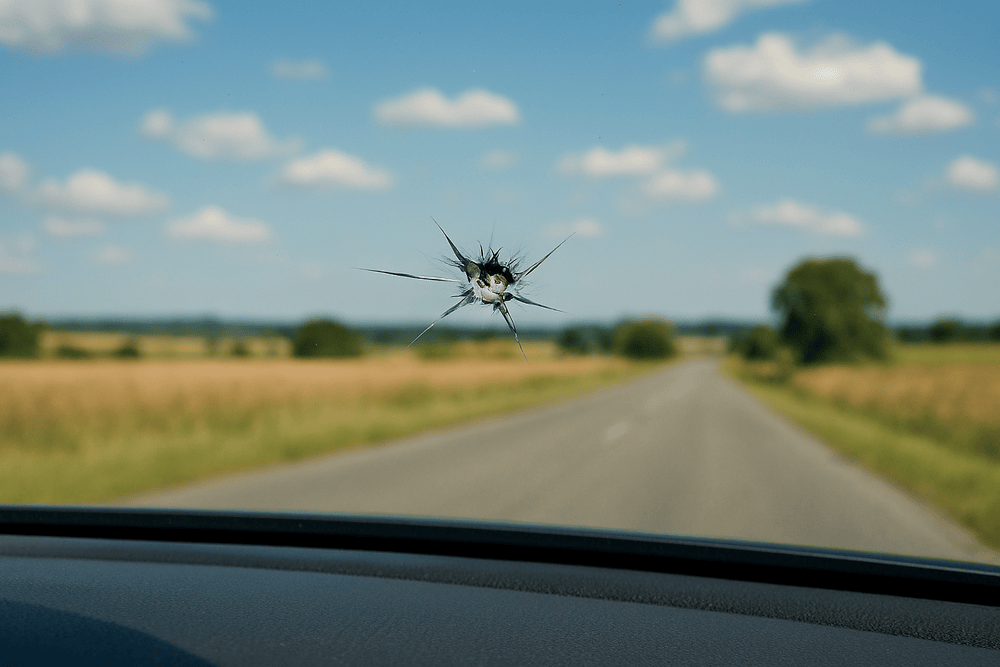
You are driving along the highway, wipers pounding a constant rhythm against a persistent downpour, when a loud crack startles you. A rock, kicked up by the truck in front of you, has left a horrible bullseye on your glass. In dry, sunny weather, such an incident is an irritation. In a rainy atmosphere, it feels like an emergency. Moisture and windshield damage are a volatile mix. When water penetrates into a fresh chip or fracture, it introduces dirt and debris that can convert a simple repair into a permanent defect. Worse, if the temperature lowers, the stored water can freeze and expand, instantly turning a small chip into a spiderweb crack that spans your entire field of view.
Get An Auto Glass Replacement Quote Now 866.278.7417

Windshield Replacement & Repair
Our competitors push you into going to their shop to get your glass fixed-making it cheaper for them. We make it easier for YOU to get back on the road by offering free mobile repairs at your home or work. With our free mobile services servicing the entire Orange County & Los Angeles area, we can often handle your windscreen replacement the same day! So the next time you need a windshield replacement, give us a call.
Talk to a Windshield Replacement Specialist Now 866.278.7417

Calibration
Calibration is the process of returning a vehicle’s ADAS to OEM specifications. Calibration is necessary after a new glass installation, particularly a windshield with a camera mounted to it, to ensure that the ADAS features continue to function properly despite having been moved during installation. If a car’s ADAS is not properly calibrated, the system may not function safely. A misaligned camera could jeopardize the functionality of the system and lead to dangerous driving or accidents, so it is crucial that the cameras are aligned perfectly, which is what windshield calibration ensures.
Talk to a Calibration Specialist Now 866.278.7417

Fleet Auto Glass Repair
We provide expert auto glass repair and windshield replacement services for commercial fleets of all sizes. We are experienced with all manufacturers and machine types of domestic or foreign cars, trucks, vans, or commercial vehicles, including heavy equipment. Our same day mobile auto glass and windshield repair service will enable you to get back on the road faster and start saving you time and money instantly. Give us a call today! We are here to help!
Talk to a Fleet Auto Glass Specialist Now 866.278.7417
Why Moisture Is the Enemy of Auto Glass Repair
To understand why restoring a windshield in the rain is so tough, you first need to understand how the restoration process works. Windshield repair kits employ a specific acrylic resin.
To fill the air spaces left by the collision, this resin is injected into the injured area. Once cured, it welds the glass back together, restoring structural integrity and clarity.
This mechanism relies purely on displacement. You are using resin to move the air out of the fracture. If that crack is filled with water instead of air, the resin cannot penetrate.
The Hydrophobic Clash: Water is repelled by the majority of windshield resins because they are hydrophobic. If you attempt to inject resin into a wet chip, the resin will simply float on top of the water or form a milky, weak connection that will eventually collapse. A failed windshield repair is frequently tough to redo because the solidified resin limits any second attempt, meaning you can end up replacing the entire windshield.
The Refraction Problem: Water has a refractive index near to glass, which can make a wet crack look like it has disappeared. This optical illusion is harmful. You might assume the damage isn’t severe, only to have the water evaporate later, revealing a nasty, very visible fissure that is now filled with dried minerals and road grit.
Creating the Perfect Repair Environment
Since you cannot repair an actively becoming windshield wet, your first responsibility is environmental control. You must locate a covered area if you don’t have a garage. When performing an emergency roadside repair, a carport, a gas station canopy, or even a big bridge can be useful.
Once you are out of the direct rain, you must handle the humidity and retained moisture. Just because the rain isn’t hitting the glass doesn’t imply the crack is dry.
The “Deep Dry” Technique: Surface drying isn’t enough. The moisture that is trapped deep beneath the glass laminate layers must be evaporated. Here is how specialists handle such moisture without specific shop equipment:
Acetone or Rubbing Alcohol: These liquids are hygroscopic, meaning they attach to water molecules. By pouring a little drop of pure acetone or high-percentage isopropyl alcohol on the chip, you can assist in pulling the water out. The moisture is carried away by the alcohol when it evaporates.
Thermal Evaporation: Gently warm the glass with a hair dryer or the car’s defroster. Caution is recommended here. Rapid temperature changes might cause the crack to spread immediately. Warm the glass slowly from the inside out using the defroster on a low level, or use a hairdryer on the “warm” (not hot) setting from a distance of 12 inches.
Visual Check: Place a white piece of paper behind the damage on the inside of the glass. Look attentively at the chip. If it seems dark or “filled in,” there is certainly still water within. A dry crack frequently looks silver or shiny because of the air trapped inside. Do not advance until the crack creates that silver reflection.
Do you have a Question?
Get An Auto Glass Replacement Quote Now 866.278.7417
The Missing Ingredient
Standard windshield repair instructions encourage you to park the car in direct sunlight to cure the resin. In a rainy region, you don’t have that luxury. UV rays can penetrate even on gloomy days, but the curing process will be uneven and delayed, resulting in a feeble repair.
For rainy areas, a UV curing lamp is non-negotiable. You cannot skip this utility. Your resin will stay liquid without it. Rain will ultimately wash it out, or your windshield wipers will scatter it across the glass.
You may purchase affordable UV lights designed for curing resin online or at auto parts stores. A specialized curing lamp is safer; however, some powerful UV flashlights meant to identify pet stains can be useful in an emergency.
Step-by-Step Guide: The Rainy Day Protocol: You can start as soon as you have your UV lamp, drying technique, and shelter.
Clean and Prepare the Area: Don’t spray directly on the damage; instead, use a glass cleaner to remove road grime from the area surrounding the chip. Spray a cloth and wipe around the break. Use a probe or a pushpin to gently scrape away any loose glass shards from the impact point.
Execute the Moisture Evaporation: Apply the drying processes outlined above. While you set up your bridge and injector, run your defroster on low heat for ten minutes. If you’re using a hairdryer, keep it moving constantly to avoid hot patches. Ensure the glass is warm to the touch, not hot.
Mount the Bridge and Inject: Follow the precise directions on your repair kit. This often entails threading an injector into position after centering a suction cup tool over the chip.
Pro Tip: In humid weather, suction cups can slip. For a better seal, completely clean the mounting location and apply a small amount of lubricant (such as saliva or a drop of water—away from the crack!) to the suction cup rim.
Pressure and Vacuum Cycles
This is the most crucial stage for replacing humid air with resin.
Pressure: Screw the plunger down to force resin into the crack. Watch from inside the automobile. The silver air pockets ought to vanish.
Vacuum: Unscrew the plunger to pull air out of the brake. Repeat this cycle at least twice as often as the guidelines suggest. The extra cycles help guarantee that minuscule moisture bubbles are not trapped in the resin.
Artificial Curing: Don’t take the bridge off just yet. If you have a curing lamp, shine it over the windshield repair area while the bridge is still under pressure for about a minute. This “caps” the fix. Take down the bridge.
Place the curing tab (the little plastic square) on the wet resin. Hold your UV lamp directly above the tab for 2–5 minutes. Don’t rush this. This lamp is your only option to solidify the resin since you don’t have the sun.
The Final Polish: Once the resin is firm, pull off the curing tab. Scrape off the extra solidified glue until it is flush with the windshield using a razor blade held at a 90-degree angle to the glass. Clean the glass again.
Maintaining Your Glass in Wet Climates
Your windshield has to work harder than usual if you live in a rainy area. The continual friction from wipers and the bombardment of road spray can wear down glass over time.
Consider using a hydrophobic rain repellent. These treatments allow water to bead up and slide off the glass, greatly enhancing sight. More significantly, they seal the small pores of the glass. When a rock strikes a treated windshield, the hydrophobic layer may occasionally stop water from flooding the new fracture right away, giving you valuable time to find cover and make repairs.
Also, inspect your wiper blades monthly. Worn blades can drag grit across glass, creating scratches that refract light, making it more difficult to see through the rain. If your wipers are chattering or leaving streaks, please replace them promptly.
When to Hire Experts: Although do-it-yourself repairs work well for little chips and cracks (less than a quarter), there are situations when the rain has won and you require expert assistance.
If the crack is more than three inches, do not attempt to mend it yourself, especially in inclement weather. Storm pressure changes could cause the windshield to shatter, damaging its structural integrity.
Furthermore, if you have tried to dry the chip for 15 minutes and it still looks dark or wet, the water may be polluted with road oils that hinder evaporation. In this situation, a professional repair company will have vacuum pumps capable of boiling the moisture out of the fracture under negative pressure—something a home kit cannot achieve.
Rain doesn’t have to mean a ruined windshield. Regardless of the weather, you can halt that crack in its tracks and resume driving safely with patience, a dry shelter, and a UV lamp.
Commonly Asked Questions
Can I use a hairdryer to dry the windshield if it’s raining outside? Yes, but you must be exceedingly careful. Heat causes glass to expand. If you expose a cold, wet windshield to extreme heat, the thermal shock could immediately trigger the fracture. Heat the region gradually from a distance while using the hairdryer on a low or warm setting and keeping it moving.
What happens if rain gets on the resin when I’m mending it? If water combines with the liquid resin, the chemical bond will be disrupted. The resin will likely turn hazy and may not cure hard. If this happens, you normally have to clear out the entire repair and start over, which is really tough. Before adding fresh resin, it is essential to stop, let the area dry fully, and make sure you are covered.
Do I really need a UV lamp, or can I just wait for a sunny day? If you have applied the resin, you cannot wait. Because uncured resin is liquid, it will either seep out or be carried away by the rain.
After injection, the resin needs to be cured right away. The only method to harden the epoxy and seal the breach in the absence of sunlight is to use a UV lamp.
Why Is My Windshield Wet Inside? Common Moisture Problems Described: Few things are more annoying than getting into your car to begin your day and discovering a wall of fog inside your windshield. Alternatively, it can be even more frustrating to discover a damp spot on your dashboard following a heavy storm.
Visibility is the most crucial factor in safe driving. You are endangering other drivers, yourself, and your passengers if you are unable to see effectively through your window. While a little morning condensation is often natural, persistent moisture issues can suggest deeper concerns with your vehicle’s seals, ventilation system, or structural integrity.
Identifying the basic source of moisture is the first step toward solving it. This book explains why windshields accumulate water, how to distinguish between simple physics and mechanical failure, and what you can do to maintain your view perfectly clear.
The Science of Condensation
Most drivers struggle with condensation, generally known as “fogging up.” This isn’t usually a flaw in the windshield itself but rather a result of meteorological circumstances. Condensation occurs when warm, moist air comes into contact with a cold surface.
When you enter a cold automobile, your body heat and breath immediately warm the interior air. This heated air contains moisture. When it strikes the cold glass of the windshield, the air cools rapidly, releasing the moisture onto the surface in the form of small water droplets.
While condensation is natural, severe or continuous fogging can indicate high humidity levels inside the cabin. This might be caused by:
Wet floor mats: If you drag snow or rain into the car, that water evaporates and adheres to the glass. A clogged cabin filter: A filthy air filter inhibits airflow, making it harder for your ventilation system to manage humidity.
Recirculation mode: Leaving your climate control on “recirculate” keeps wet air inside the car rather than bringing in fresh, drier air from outside.
When Seals Fail: Finding Leaks: Condensation is bothersome, but leaks cause damage. A leaking windshield allows water to circumvent the glass and enter the vehicle’s interior. This scenario is generally caused by a failure in the urethane seal—the heavy-duty adhesive that attaches the glass to the car’s frame.
Do you have a Question?
Get An Auto Glass Replacement Quote Now 866.278.7417
Degraded Urethane
Your windshield’s sealant may erode with time. This is typical of older cars or cars that have had a windshield changed incorrectly.
The bond deteriorates if the glass wasn’t properly prepared or if corrosion wasn’t addressed during a replacement. Water tends to follow the easiest route, frequently trickling down the interior of the glass or building up on the dashboard.
Rust and Corrosion: Rust is the enemy of every car, but it is particularly bothersome around the pinch weld—the metal ridge where the windshield sits. If water gets trapped behind the molding, it can erode away at the metal.
As the metal corrodes, the seal rises, allowing openings for water to enter. In severe circumstances, significant rust can damage the structural integrity of the windshield, meaning it might pop out after a crash.
Clogged Drainage Channels: Sometimes, what appears like a windshield leak is actually a drainage issue. Most automobiles include fresh air intake vents at the base of the windshield (the cowl) and drains for the sunroof.
If leaves, pine needles, or road filth clog these drains, water has nowhere to go. It backs up and spills into the cabin, typically leaking near the kick panels or soaking the carpet, leading you to believe the windshield is the perpetrator.
The Dangers of Trapped Moisture
Ignoring moisture concerns is never a wise plan. Beyond the immediate safety concern of low visibility, water inside your vehicle produces a breeding ground for mold and mildew.
Mold can begin to form within 24 to 48 hours after water exposure. Once it establishes itself in your upholstery or carpet, it is exceedingly tough to eradicate. The growth creates a musty odor and can induce allergies or respiratory concerns for the driver and passengers.
In addition, modern cars are jam-packed with technology. Behind the dashboard are numerous sensors and control components. Persistent leaks under the dash can corrode sensitive electrical components, leading to costly repairs and system failures.
Practical Solutions for Clearer Glass: Keeping your car’s exterior in excellent condition and controlling the interior atmosphere are two ways to fight moisture.
Defeating Fog: To clear condensation quickly, you need to dry the air. Turn on your defroster, but also verify your air conditioning (A/C) is running.
The A/C system functions as a dehumidifier by removing moisture from the air while cooling it. The best way to clear a windshield is to run the air conditioner with the heat on, even in the cold.
Additionally, keeping the interior of your windshield clean is crucial. Dirt, tobacco residue, and off-gassing from dashboard plastics produce a film on the glass. Moisture clings to this coating more easily than it does to clean glass. Regular cleaning with a microfiber cloth and a premium glass cleaner can considerably reduce fogging.
Fixing Leaks: If you suspect a leak, you can do a simple test. Spray the outside of the windshield with a garden hose while a helper sits inside to monitor for drips. Start low and work your way up the sides and top.
If you detect water entering the cabin, expert repair is usually necessary. Attempting to seal a windshield with hardware store silicone is rarely effective and makes appropriate repair harder later. A skilled car glass expert may need to remove the windshield to clean the frame, treat any rust, and reseal the glass with automotive-grade urethane.
Keep Your View Clear and Safe: Your windshield is a structural part of your car that keeps you safe, not just a glass. Moisture difficulties are often a warning sign that something is amiss.
Whether it is a simple case of dirty glass attracting condensation or a more significant issue like a compromised seal, resolving the problem early saves you money and ensures you have a clear vision of the road ahead.
Get in touch with a qualified auto glass specialist right away if you are unable to locate the source of the water or if you think your windshield seal has failed. Driving with a compromised windshield is a danger you shouldn’t take.
Mobile Safe Auto Glass
14241 E Firestone blvd suite 400,
La Mirada, CA 90638
Phone: (562) 608-1154
Toll Free: 1 866 278 7417
Mail: sales@mobilesafeautoglass.com
Get a FREE QUOTE today! You can get a free quote and schedule 24/7 using this free quote wizard.
Mon – Fri 8am – 5pm
Saturday 8am – 1pm
Sunday Closed