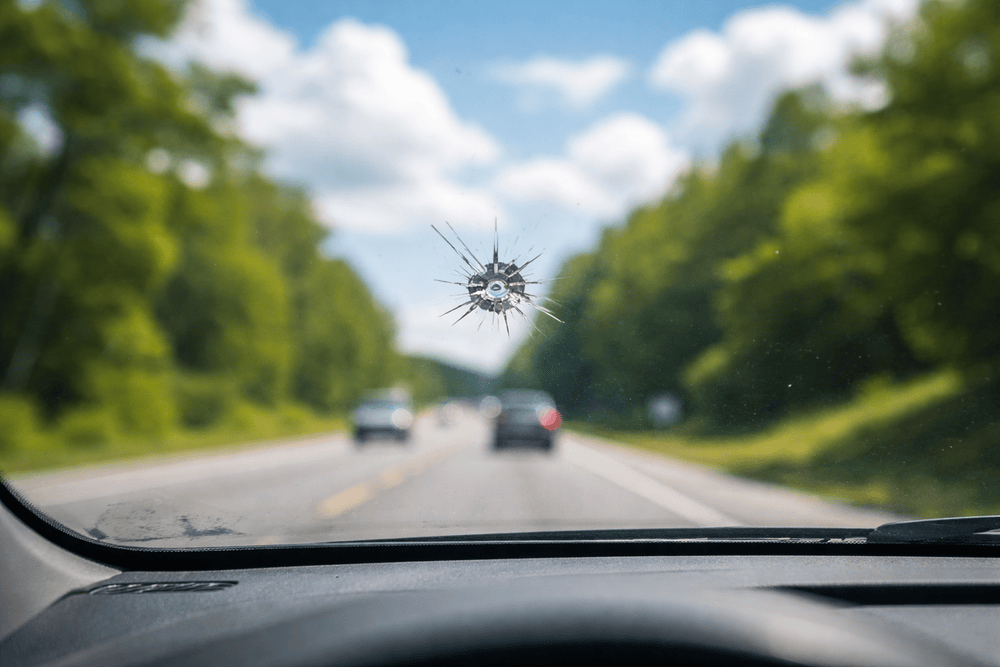
At Home Windshield Repair in Coastal Areas
Living near the shore provides wonderful perks—fresh air, gorgeous vistas, and a relaxing lifestyle. But for automobile owners, the salty sea wind poses a distinct set of issues. One of the most unpleasant difficulties is keeping your vehicle’s glass. Salt spray, humidity, and sudden temperature fluctuations may wreak havoc on your windshield. A little chip from a roadway pebble may grow into a vast spiderweb fracture more quickly in a coastal setting than it can inland. Whether you’ve discovered damage to your vehicle glass, you may be wondering whether you can restore it yourself without a trip to the shop. Although do-it-yourself repairs are often more affordable and practical, certain methods are needed in coastal areas to guarantee the repair’s durability.
Get An Auto Glass Replacement Quote Now 866.278.7417

Windshield Replacement & Repair
Our competitors push you into going to their shop to get your glass fixed-making it cheaper for them. We make it easier for YOU to get back on the road by offering free mobile repairs at your home or work. With our free mobile services servicing the entire Orange County & Los Angeles area, we can often handle your windscreen replacement the same day! So the next time you need a windshield replacement, give us a call.
Talk to a Windshield Replacement Specialist Now 866.278.7417

Calibration
Calibration is the process of returning a vehicle’s ADAS to OEM specifications. Calibration is necessary after a new glass installation, particularly a windshield with a camera mounted to it, to ensure that the ADAS features continue to function properly despite having been moved during installation. If a car’s ADAS is not properly calibrated, the system may not function safely. A misaligned camera could jeopardize the functionality of the system and lead to dangerous driving or accidents, so it is crucial that the cameras are aligned perfectly, which is what windshield calibration ensures.
Talk to a Calibration Specialist Now 866.278.7417

Fleet Auto Glass Repair
We provide expert auto glass repair and windshield replacement services for commercial fleets of all sizes. We are experienced with all manufacturers and machine types of domestic or foreign cars, trucks, vans, or commercial vehicles, including heavy equipment. Our same day mobile auto glass and windshield repair service will enable you to get back on the road faster and start saving you time and money instantly. Give us a call today! We are here to help!
Talk to a Fleet Auto Glass Specialist Now 866.278.7417
Why Coastal Environments Are Tough on Windshields
Understanding why coastal locations are so tough on vehicle glass is crucial before trying a repair. The combination of these factors accelerates the process of destruction.
The Impact of Salt Air: Salt is corrosive. While glass itself is impervious to salt, the rubber seals and the metal frame surrounding your windshield are not.
Furthermore, salt residue on the glass generates a coating that might interfere with repair resins. The repair will fail and the break will widen if a minuscule film of salt prevents the glue from bonding completely.
Thermal Stress and Humidity: Coastal weather regularly changes. You can get a cold, misty morning followed by a scorching noon sun. This rapid expansion and contraction of the glass exerts stress on existing chips.
When you add excessive humidity to the mix, moisture might become trapped within the crack. If you seal moisture into the injury, the fix will seem murky and likely burst open when the temperature swings again.
Assessing the Damage: DIY vs. Professional: Not every crack can be mended in your driveway. Learning when to hire a pro is just as crucial as learning how to do it yourself.
When to Call a Pro: You need a professional replacement if the damage is severe, obstructs your vision, or is longer than a dollar bill. In coastal places, if you fear rust is growing around the windshield frame due to salt exposure, a specialist should examine it quickly.
Step by Step Guide to Coastal Windshield Repair
You may save money by repairing it yourself if your damage meets the DIY requirements. However, you must prepare with particular care because of the salt and wetness.
Choose the Right Location: Do not try this repair on the beach or where the sea spray is active. Move your automobile inside a garage or a safe spot. You want to manage the humidity and prevent salt particles from settling on the resin as it dries.
If a garage isn’t available, consider a dry day with little wind. The crucial step of thoroughly cleaning and drying is where coastal restorations sometimes fall short.
Clean: Use a glass cleaner that does not include ammonia. To get rid of the salt film, scrub the area around the chip.
Dig: Use the pin or razor blade given in your package to carefully pick out any stray glass shards or debris from within the impact location.
Dehydrate: This is the hidden weapon. Use a hair dryer (not a heat gun) on a low setting to gradually warm the glass from the interior of the automobile. This process evaporates any unseen moisture trapped in the crevice. Do not overheat the glass; otherwise, the fracture may widen.
Do you have a Question?
Get An Auto Glass Replacement Quote Now 866.278.7417
Apply the Resin Bridge
The majority of kits include a sticker pedestal or a suction cup bridge. Center the gadget exactly above the impact site. Ensure the seal is tight against the glass.
As directed by the kit, screw the resin injector in until it contacts the glass, then back it off a little. Squeeze the resin into the injector to inject and cycle it. In coastal humidity, you may need to be more patient with the pressure/vacuum cycles.
Pressure: Force the resin into the fracture.
Vacuum: To remove air bubbles, release pressure.
Repeat this technique numerous times. Make sure the crack’s black shadow is vanishing as it fills with clear resin by looking inside the vehicle.
Curing the Repair: Once the fracture is filled, remove the bridge. After applying a drop of pit filler resin to the impact location, cover it with the curing strip, which is a little piece of plastic. Move the automobile into direct sunshine if it’s sunny. The resin is cured by the UV radiation.
If it’s gloomy (common near the coast), you will need a UV light source to cure the resin effectively. Without UV light, the glue will stay sticky and wash away with the next rain.
Finish and Polish: After the resin is firm (typically 15–30 minutes), pull off the curing strip. Hold a razor blade at a 90-degree angle and scrape off the extra dried glue until the surface is flat with the glass. To get rid of any residue, clean the windshield once more.
Maintenance Tips for Coastal Car Owners
Once your windshield is restored, you want to maintain it that way. Living near the water needs a proactive approach to automobile upkeep.
Wash Often: To get rid of salt accumulation, rinse your automobile, including the wiper blades and windshield, at least once a week.
Check Wiper Blades: Salt dries up rubber. Replace your wiper blades more regularly to prevent them from damaging the glass.
Use a Windshield Cover: If you park outdoors, a cover keeps sand from pitting during storms and shields the glass from salt spray.
Maintain a Safe and Clear View: Living near the shore is a luxury, but it also entails a duty to protect your car from the weather. A minor chip shouldn’t ruin your day or your finances. Understanding the unique issues caused by salt and humidity can help you carry out a successful repair at home.
Remember, the key is dryness and cleanliness. If you can keep the salt out and the moisture away throughout the repair procedure, your windshield will hold up against the coastal breeze for miles to come. If you are ever in question, or if the damage appears too difficult, local car glass technicians are able to manage these unique environmental issues.
How Salt Air Slowly Ruins Your Windshield
Unquestionably, taking a drive along the shore may be restorative. The feeling of freedom from the open horizon, fresh wind, and waves beats city driving.
Living near the water is the ultimate ideal for many, while a weekend escape to the beach serves as a vital reset for others. But your automobile will pay a hidden price for that cool sea wind.
Fewer automobile owners pay attention to the glass, even though most are aware of the risks salt causes to the metal chassis and undercarriage (rust being the main adversary). It’s a common misconception that windshields repair are immune to pebbles, insects, and heavy rain.
But glass is not indestructible. The mix of salt, moisture, and time generates a special sort of wear that is typically unnoticed until it becomes a safety problem.
If you reside within ten miles of a coastline, or if you often visit the beach, the environment is actively working against your car’s visibility. Understanding the physics underlying salt damage and how to avoid it is vital for maintaining your car and ensuring you can see clearly down the road.
The Science of Salt and Glass
To understand why salt air is troublesome, we have to look at the makeup of the air itself. In coastal places, the air is filled with small particles of salt (sodium chloride) and moisture. This generates a salty mist that settles on every surface it touches.
Auto Glass is technically a rigid, non-crystalline material, mainly consisting of silica. It is chemically resistant to many acids, which is why we keep hazardous compounds in glass beakers. It is not impervious to everything, however. Crystals of salt are abrasive minerals. When they perch on your windshield, they don’t simply sit there.
The Abrasive Effect: Your automobile produces a high-impact environment as you travel at highway speeds. When it comes to your car’s leading edge, airborne salt particles behave like fine-grit sandpaper.
Over time, this continual bombardment generates small pits in the surface of the glass. A single particle of salt won’t break your windshield, but millions of collisions over several years cause the outer layer to become less smooth.
The Hygroscopic Factor: Salt is hygroscopic, meaning it draws and retains water molecules from the surrounding environment. This is why the air seems “heavy” or “sticky” at the beach. When salt falls on your windshield, it attracts moisture to the glass surface.
As the water evaporates during the heat of the day, the salt recrystallizes. This cycle of soaking and drying leaves behind a persistent, hazy layer that adheres securely to the micropits created by abrasion. This coating is notoriously difficult to remove with ordinary windshield washer fluid.
Do you have a Question?
Get An Auto Glass Replacement Quote Now 866.278.7417
The Safety Hazard
The actual risk of salt damage isn’t simply that the glass will shatter; it’s that your ability to see through it will decrease.
The minuscule pitting and the persistent salt layer modify how light goes through the glass. A flawless windshield is transparent because its surface is absolutely smooth, enabling light to flow in a straight path.
When the surface gets pitted or covered in a salty haze, the light refracts—it scatters in various directions. This behavior is especially harmful at two specific times:
Sunrise and Sunset: A blinding “starburst” effect is produced when the sun is low on the horizon and direct light strikes the salt crystals and pits. You see a wall of white light instead of the road.
When driving at night, oncoming headlights have a similar effect on the broken glass. The glare may obscure road signs, pedestrians, and other cars, thereby slowing down response times.
The Wiper Blade Cycle: Your windshield functions in concert with your wiper blades. Unfortunately, salt air destroys this link in a vicious cycle.
Rubber and silicone, the major materials in wiper blades, dry down and shatter swiftly when exposed to salt and strong UV levels prevalent near the shore. The rubber becomes less flexible as it deteriorates. Hard, brittle wiper blades are lousy at cleaning water, but they are good at trapping debris.
When you engage your wipers on a salt-covered windshield, you are basically washing the glass with grit. The salt crystals that are trapped between the glass and the fading rubber blade serve as an abrasive substance.
Deep, arc-shaped scratches cover the driver’s field of view as a result. These scratches are persistent and typically need expert polishing or a total windshield replacement to correct.
Safeguarding Your Opinion
You don’t have to sell your beach home to save your automobile. A few tweaks to your maintenance plan may substantially prolong the life of your windshield.
Rinse Before You Scrub: This is the golden guideline of coastal auto care. Never turn on your wipers to clean a dry, salted windshield. All you’re doing is moving abrasive minerals over the glass.
If your windshield is plastered with salt spray, use a hose to rinse the vehicle completely before cleaning it. Use a lot of washer fluid to lubricate the blades before they start moving if you are driving.
Upgrade Your Washer Fluid: Standard blue washer fluid is frequently simply water and methanol. It struggles to cut through high salt accumulation. Look for washer fluids particularly prepared for “bug and tar” or all-season removal. These frequently include surfactants that assist in dissolving the binding between the salt and the glass.
Apply a Hydrophobic Sealant: Glass treatments (like Rain-X or ceramic glass coatings) establish a sacrificial barrier between the environment and the glass. These products make the surface hydrophobic, meaning water beads up and rolls off.
More significantly, they prevent salt from attaching directly to the glass pores. This makes washing the windshield substantially simpler and decreases the friction on your wiper blades.
Inspect and Clean Wipers Monthly
Get in the habit of cleaning off your wiper blades with a moist cloth every time you fill your gas tank. Black residue, which is oxidized rubber and road grit, will probably come off. The blades won’t damage the glass if they are kept clean. If you reside close to the water, replace your blades at least twice a year instead of just once.
When Is It Too Late?: Despite your best efforts, long-term exposure may ultimately take its toll. How can you recognize when a windshield is beyond the point of cleaning and requires replacement?
Perform the “fingernail test.” Run your fingertip over the scratches or pits in the glass. If your fingernail catches, the damage is severe enough that it likely cannot be polished away.
Examine the glass in direct sunshine as well. The glass itself is etched if the “haze” persists even after a thorough washing with vinegar and water (a traditional home treatment for removing mineral deposits). At this time, the safety issues related to glare exceed the expense of a replacement.
Frequently Asked Questions: Is it true that parking in a garage protects against salt air? Yes, in a big way. While the air within the garage still contains moisture, parking inside shields the vehicle from the direct deposition of salt spray delivered by the wind. Additionally, it shields the wiper blades from UV light, which speeds up the salt’s drying process.
Is it possible to remove salt off my windshield with vinegar? White distilled vinegar is helpful for eliminating salt buildup. The acidity in the vinegar helps dissolve the mineral deposits that soap could leave behind.
Mix a combination of 50% water and 50% vinegar in a spray bottle, apply it to the glass, then wipe it clean with a microfiber cloth. Be cautious not to let it stay on your paint or wax for too long, as it might peel protective wax layers.
Does glass insurance make sense for drivers who live near the coast? It’s a beneficial idea to verify your insurance policy for glass coverage since pitting and etching (not simply rock chips) are more likely to need replacement. After one salty season, some plans pay for complete replacement with a zero or low deductible.
Preserving the View: Living near the water provides a stunning view, but maintaining that view while driving demands attention to detail. Salt air causes insidious, cumulative damage that often goes unreported until a daybreak drive becomes a blinding struggle.
By understanding the abrasive and chemical properties of salt and by adopting a “rinse-first” approach, you can protect your windshield from premature aging. Don’t allow the ocean haze to obscure your trip; a little additional attention guarantees the only thing stunning about your seaside drive is the landscape.
Mobile Safe Auto Glass
14241 E Firestone blvd suite 400,
La Mirada, CA 90638
Phone: (562) 608-1154
Toll Free: 1 866 278 7417
Mail: sales@mobilesafeautoglass.com
Get a FREE QUOTE today! You can get a free quote and schedule 24/7 using this free quote wizard.
Mon – Fri 8am – 5pm
Saturday 8am – 1pm
Sunday Closed