Car Side Window Replacement Factors Drivers Overlook
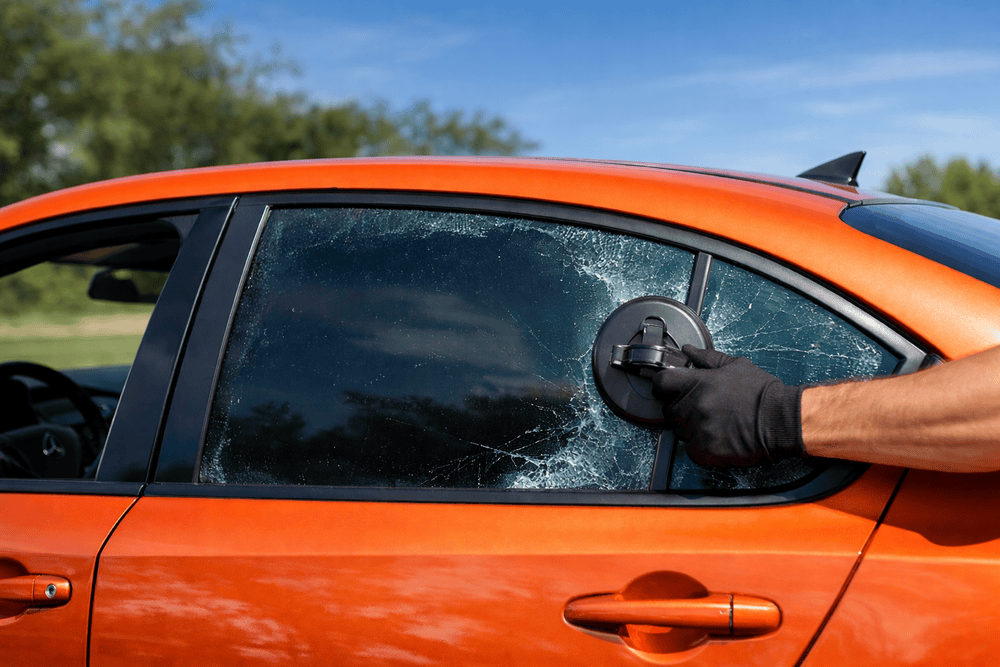
It is disheartening to approach your car and discover a heap of broken glass on the sidewalk. A smashed side window feels like an immediate emergency, regardless of the cause—a storm accident, a wayward baseball, or a break-in attempt. Your initial reaction is probably to call the first car glass shop you find on Google and put a trash bag over the opening. Although it is reasonable to sense an urgency, hurrying the procedure frequently results in errors. Replacing a windshield is not the same as replacing a side window. A side window is an intricate moving component that is interwoven into the mechanical and electrical systems of the car, whereas a windshield is structural and immobile.
Get An Auto Glass Replacement Quote Now 866.278.7417

Windshield Replacement & Repair
Our competitors push you into going to their shop to get your glass fixed-making it cheaper for them. We make it easier for YOU to get back on the road by offering free mobile repairs at your home or work. With our free mobile services servicing the entire Orange County & Los Angeles area, we can often handle your windscreen replacement the same day! So the next time you need a windshield replacement, give us a call.
Talk to a Windshield Replacement Specialist Now 866.278.7417

Calibration
Calibration is the process of returning a vehicle’s ADAS to OEM specifications. Calibration is necessary after a new glass installation, particularly a windshield with a camera mounted to it, to ensure that the ADAS features continue to function properly despite having been moved during installation. If a car’s ADAS is not properly calibrated, the system may not function safely. A misaligned camera could jeopardize the functionality of the system and lead to dangerous driving or accidents, so it is crucial that the cameras are aligned perfectly, which is what windshield calibration ensures.
Talk to a Calibration Specialist Now 866.278.7417

Fleet Auto Glass Repair
We provide expert auto glass repair and windshield replacement services for commercial fleets of all sizes. We are experienced with all manufacturers and machine types of domestic or foreign cars, trucks, vans, or commercial vehicles, including heavy equipment. Our same day mobile auto glass and windshield repair service will enable you to get back on the road faster and start saving you time and money instantly. Give us a call today! We are here to help!
Talk to a Fleet Auto Glass Specialist Now 866.278.7417
The Hidden Debris and Maraca Effect
Because windshields are made of laminated glass, they typically crack but remain intact when they break. On the other hand, side windows are usually composed of tempered glass. This safety element makes sure that instead of breaking into sharp shards, the glass fractures into thousands of little, dull cubes.
This keeps people safe but also causes a huge cleanup problem. The glass falls into the door panel itself rather than merely landing on the seat.
A lot of low-cost auto glass services will vacuum the floor mats and seats, but they won’t clean the inside of the door frame. You will be left with “The Maraca Effect.” Whenever you brake, accelerate, or close your door, you will hear hundreds of glass cubes rattling around inside the metal frame if the technician does not remove the inside door panel to vacuum out the void.
Additionally, loose glass can cause rust and water buildup by jamming the locking mechanism or obstructing the door’s bottom drainage openings. Make sure the repair business of your choice offers a thorough interior door cleaning.
The Window Regulators Health
The system is only visible via the glass. A tiny electric motor powers a device within the door known as the window regulator, which raises and lowers the glass.
The mechanical risk: The regulator is frequently harmed by the impact that broke the glass. The cables may break or the rails twist if a burglar pushes the window down. The weight of the falling glass can occasionally cause the regulator to become misaligned, even if the damage was unintentional.
The window may travel slowly, create a grinding sound, or become stuck halfway up if a technician only installs new glass without checking the regulator. A lift mechanism examination should always be included in a thorough replacement quote.
Do you have a Question?
Get An Auto Glass Replacement Quote Now 866.278.7417
The Seal of the Vapor Barrier
The vapor barrier, an important but frequently overlooked part, is located between the ornamental plastic inner panel and the metal door frame. This is a foam or plastic sheet that is adhered to the surface. Its function is to prevent moisture from rain and car washes from getting to your car’s upholstery and electrical parts inside the door.
To reach the glass mounts and clear the debris during a side window replacement, the technician must cut through or peel back this barrier.
If the technician is rushing, they may either rip the barrier or fail to reseal it correctly. This oversight may result in:
When it rains a lot, water seeps into the car’s footwells.
This oversight may result in the growth of mold within the door panel.
short circuits in the window switches or door speakers.
When reassembling, always find out from the shop how they manage the vapor barrier.
Tempered versus Laminated Glass
Many contemporary premium automobiles and SUVs are moving to laminated side windows, although the majority of older and budget cars still utilize tempered glass. Similar to a windshield, laminated glass is made up of two layers of glass separated by a layer of vinyl.
This kind of glass is used by manufacturers for two reasons:
Noise Reduction: It makes the cabin more peaceful.
Prevention of Theft: It is far more difficult to break through.
The problem with compatibility is that you can’t replace one with the other. The weight and thickness vary, and the window motor is tuned for a particular kind. Before obtaining the item, find out if your side windows are tempered or laminated if your car is more recent. The motor may be overworked, or the window may not seal properly if the incorrect specification is used.
Aesthetics and Tint Matching
A new piece of glass will stand out like a sore thumb if your windows have aftermarket tint. Replacement glass will not have the black film you apply later, but it will have a standard level of clarity or a small factory color (typically green or blue) when it comes from the factory.
Take the cost of retinting the new window into account while obtaining bids. You can save making a separate trip to a tint store by having some full-service auto glass providers apply tint on-site before installing the glass.
Check the new glass’s “light transmission” as well. The other doors’ glass may have slightly discolored from UV exposure if your car is older. While one cannot purchase “faded” glass, understanding the potential visual difference can help manage expectations.
Insurance Deductibles Contrast with Out of Pocket Expenses
Many people mistakenly believe that insurance should always cover glass repair. Side windows are usually less expensive than your deductible, although this is typically the case for pricey windshields that require calibration.
There is no financial incentive to file a claim if the total cost to replace a side window is $275 and your comprehensive deductible is $500. Indeed, it can be considered a claim on your past, which could have an impact on your premiums.
Get a cash quote from the repair business before contacting your insurance representative. It may surprise you to learn that paying cash is the more cost-effective option.
Common Questions
After having the side glass replaced, can I get back behind the wheel right away?
Yes, most of the time. Side windows are usually secured in place by mechanical clamps and bolts, as opposed to windshields, which employ urethane adhesive, which takes time to set and attach. The car is typically prepared for driving once the door is put back together. However, you might have to wait an hour if the technician had to apply adhesive to a quarter glass (the tiny, immobile triangular window).
My new window sounds louder than the old one; why is that?
After a replacement, the glass may not be fully set in the rubber run channel, or the door seal may be compromised if you hear wind noise or whistling. Alternatively, compared to the Original Equipment Manufacturer (OEM) part, the replacement glass may be thinner. Return it to the store so that it can be adjusted if the noise continues.
Do side windows require OEM glass?
Original Equipment Equivalent (OEE) or premium aftermarket glass is typically adequate for side windows and far less expensive than OEM glass. If you select a reliable manufacturer, the stringent tolerances of OEM glass are less important because side windows often don’t have intricate camera systems as windshields do.
Avoid Letting a Tiny Crack Turn into a Major Headache
Although fixing a damaged side window quickly and carelessly can cause long-term annoyance, it is still a significant hassle. The quality of the installation is just as important as the glass itself, from the concealed shards inside your door panel to the integrity of the vapor barrier.
Consider more than just the lowest cost when selecting a repair service. Inquire about their cleanup procedure, regulator inspection policy, and craftsmanship warranty. By taking the time to think about these things, you can be confident that your automobile will be safe, dry, and rattle-free once the glass is fixed.
Things to Consider Before Filing an Insurance Claim
A sharp crack reverberates throughout the cabin to begin. When you look up, you see a tiny crack in the shape of a starburst on your windshield. Every motorist ultimately encounters this annoyance. Whether it’s due to a stray pebble on the highway or storm damage while parked, dealing with broken car glass can be frustrating.
However, as you begin navigating the repair process, the headache frequently gets worse. You are instantly confronted with a plethora of options and perplexing jargon. Is it better to utilize aftermarket glass or Original Equipment Manufacturer (OEM) glass? Will your insurance cover the whole repair, or will you have to pay a deductible that exceeds it?
You can save a lot of money and frustration by being aware of the subtle differences between different types of car glass and the insurance regulations that apply to them. This article explains what you are truly entitled to under your insurance policy, how safety systems affect expenses, and how glass quality varies.
Recognizing the Various Auto Glass Types
Knowing what you are truly replacing is essential when filing an insurance claim. Your car’s glass is not all the same, and depending on the kind of glass that is broken, it may be fixed or need to be replaced completely.
Laminated Glass (Windshields): Mostly for safety, your windshield is an engineering marvel. It is composed of laminated glass, which consists of two glass layers encasing a polyvinyl butyral (PVB) layer.
When a rock strikes your windshield, the plastic inner layer keeps the system intact while the outside layer may shatter. This prevents the glass from shattering into the driver’s face in the event of a rollover and helps maintain the roof’s structural integrity. Resin, due to its layered design, frequently fixes small chips and cracks in laminated glass, saving you money on a complete replacement.
Tempered Glass (Side and Rear Windows): Your doors and rear windows usually have tempered glass. This glass is four to five times stronger than regular glass because it is heated and quickly cooled throughout the manufacturing process.
Here, though, the safety system is different. Instead of breaking into sharp, jagged shards, tempered glass is made to break into thousands of tiny, dull pebbles. Tempered glass cannot be fixed due to this shattering process. The only choice if your side window is broken is to get it completely replaced.
Do you have a Question?
Get An Auto Glass Replacement Quote Now 866.278.7417
The Quality Debate Between OEM OEE and Aftermarket
The replacement part itself is typically the main source of contention when you file a claim. While automobile owners usually want the glass that came with the vehicle, insurance companies frequently want the most economical choice.
OEM (Original Equipment Manufacturer): OEM glass is the same as the windshield that was first put on the assembly line. It has the automaker’s branding and is manufactured to the same specs by the same manufacturer.
Advantages: Fit, finish, and safety standards are guaranteed. The thickness and color are the same.
Cons: Definitely more costly. If you don’t have a certain rider, insurance might not pay the entire amount.
OEE glass is made by the same companies that supply automakers (like Pilkington, PGW, or Saint-Gobain), but it lacks the automaker’s mark.
Advantages: Excellent quality, usually the same as OEM in terms of durability and clarity.
Cons: Doesn’t have branding, which some owners of expensive cars find important for resale value.
Aftermarket Glass: Businesses that do not supply the carmaker manufacture this type of glass. To make the glass fit the car, they reverse-engineer it.
Advantages: The least expensive choice.
Cons: There are differences in quality. Higher optical distortion (waviness), wind noise from a poor fit, or slightly differing hue shades are possible.
Costs of Insurance and Coverage Guidelines
Examining your particular coverage closely is necessary to navigate the financial aspect of glass restoration. Depending on your state’s legislation and healthcare provider, coverage can vary greatly.
Comprehensive Coverage Is Essential: Your personal car is not covered by standard liability insurance, but it does cover damage you do to other people. You typically need complete coverage to have your glass fixed by insurance. This guards against non-collision incidents such as theft, fire, falling items, and vandalism.
The Deductible Dilemma: It is not financially prudent to file a claim if your comprehensive deductible is $500 and a new windshield costs $400. Even if you cover the entire cost of the repairs yourself, the claim will still remain on your record.
Nonetheless, many plans have a “full glass coverage” or “glass deductible” add-on. This reduces the deductible, usually to $50 or $0, for glass claims in particular.
State-Specific Laws (Zero Deductible States): Your location greatly influences your expenses. A clear windshield is a public safety concern, and several states have rules that encourage drivers to replace cracked glass without incurring financial penalties.
Zero Deductible States: If you have comprehensive coverage, insurers are legally obligated to waive the deductible for windshield repair in states including Florida, Kentucky, and South Carolina.
Repair vs. Replace: Regardless of the state in which you reside, many insurance companies will waive the deductible if you decide to fix a chip in your windshield instead of replacing the entire thing. You save money on the deductible, and they save money on the part.
The “Right to Choose”: It’s a widespread fallacy that you have to use the repair shop that your insurance provider suggests. You often have the freedom to select the repair facility of your choice, even though insurance frequently has “preferred networks” of stores that provide them with reduced prices.
But there’s a catch. If the store you choose charges more than the insurance company’s “prevailing rate,” you may be liable for the difference.
ADAS Calibration Hidden Cost
The environment of glass replacement has changed dramatically as a result of modern vehicles. Your car probably contains Advanced Driver Assistance Systems (ADAS) if it was manufactured within the last ten years. These consist of functions like rain-sensing wipers, automated emergency braking, and lane-keeping assistance.
These systems’ cameras and sensors are frequently fixed straight to the windshield. You are moving the camera lenses when you change the glass. The car can miscalculate distances if there is even a millimeter of movement in the system.
Why this is important for costs:
Required Calibration: These cameras need to be recalibrated following a windshield replacement. This calls for certain tools and instruction.
Increased Costs: The cost of the replacement may increase by $300 to $1,000 due to calibration.
Insurance Friction: Calibration is currently covered by the majority of major insurers, who acknowledge it as an essential safety step. However, disagreements may occur if the camera malfunctions as a result of an aftermarket windshield (which can occasionally happen owing to glass distortion). In these situations, you may be left in the middle while the insurer places the blame on the glassmaker.
When to Make a Pocket Payment
You should not file a claim just because you are able to. Regular claims can affect your premiums, and insurance is a tool for risk management.
Think about making the payment yourself if:
The repair is inexpensive: a basic chip repair often costs less than $100.
The price is close to your deductible: The $50 reduction isn’t worth the possible rate increase if the replacement costs $550 and your deductible is $500.
You have a claim history: if you have recently made several claims, even a minor glass claim could make you appear high-risk.
Think about submitting a claim if:
Use the advantages that come with paying for complete glass coverage.
The price is outrageous: the bill for a high-end vehicle with an ADAS calibration, heated windshield, and heads-up display could well surpass $2,000. This is precisely the purpose of insurance.
Common Questions
Will my insurance premiums increase as a result of a glass claim?
In general, rates are not increased as much by a single comprehensive claim for glass damage as they are by a collision claim. But frequency is important. Your insurer may consider you high-risk or eliminate glass coverage from your policy if you submit three glass claims in a two-year period.
Can I ask my insurer for OEM glass?
They might not pay for it, even if you demand it. The majority of plans provide that if an aftermarket windshield satisfies safety requirements, they are only required to pay for a portion of “like kind and quality.” An “OEM Endorsement” on your insurance is typically required to fully cover OEM glass, and it is an additional monthly expense.
How much time does it take to repair a windshield?
An hour or so is often needed for the physical replacement. But before the car is safe to drive, the urethane adhesive must cure, or dry. Although it varies depending on the brand of glue and the weather, this “safe drive-away time” is usually one hour after installation. The consultation should be extended by one to two hours if ADAS calibration is necessary.
Better Decision Making for Safer Driving
In addition to serving as a view to the outside world, your windshield is an essential part of your car’s safety structure. Cost, quality, and safety are all at odds when damage happens.
The high cost of contemporary, tech-integrated windshields can make it a risky gamble to save money on premiums with a large deductible. Today, go over your policy declaration page. Determine whether your car needs costly calibration, find out if you have particular glass coverage, and comprehend your deductible. Being aware before the pebble strikes the glass guarantees that your wallet won’t be dented by a windshield break.
Mobile Safe Auto Glass
14241 E Firestone blvd suite 400,
La Mirada, CA 90638
Phone: (562) 608-1154
Toll Free: 1 866 278 7417
Mail: sales@mobilesafeautoglass.com
Get a FREE QUOTE today! You can get a free quote and schedule 24/7 using this free quote wizard.
Mon – Fri 8am – 5pm
Saturday 8am – 1pm
Sunday Closed