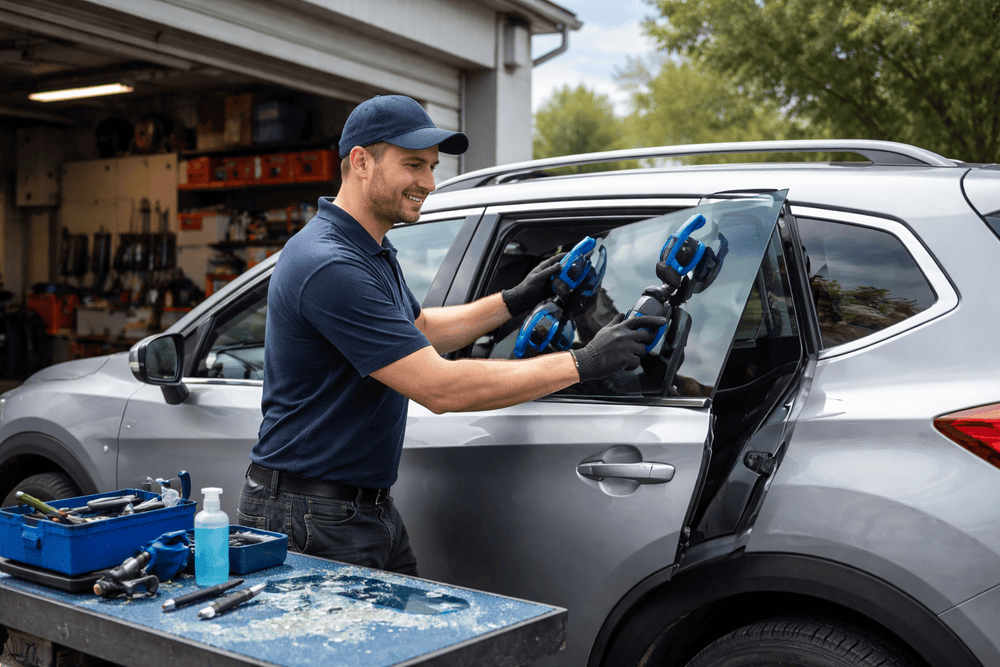
Car Side Window Replacement Cost Breakdown
It’s depressing to walk outside to your car and discover a heap of broken glass on the driver’s seat. Broken side windows expose your car to weather and theft, whether the damage was caused by a storm, a wayward baseball, or a break-in. Getting it fixed is your first priority right now, and Car Auto Glass is frequently the first company that springs to mind. Car Side window replacement, the biggest auto glass specialist in the US, is well-known for its enormous fleet of mobile vans and catchy jingles. However, convenience frequently has a cost. You probably want to know exactly what you are paying for if you are getting ready to schedule an appointment.
Get An Auto Glass Replacement Quote Now 866.278.7417

Windshield Replacement & Repair
Our competitors push you into going to their shop to get your glass fixed-making it cheaper for them. We make it easier for YOU to get back on the road by offering free mobile repairs at your home or work. With our free mobile services servicing the entire Orange County & Los Angeles area, we can often handle your windscreen replacement the same day! So the next time you need a windshield replacement, give us a call.
Talk to a Windshield Replacement Specialist Now 866.278.7417

Calibration
Calibration is the process of returning a vehicle’s ADAS to OEM specifications. Calibration is necessary after a new glass installation, particularly a windshield with a camera mounted to it, to ensure that the ADAS features continue to function properly despite having been moved during installation. If a car’s ADAS is not properly calibrated, the system may not function safely. A misaligned camera could jeopardize the functionality of the system and lead to dangerous driving or accidents, so it is crucial that the cameras are aligned perfectly, which is what windshield calibration ensures.
Talk to a Calibration Specialist Now 866.278.7417
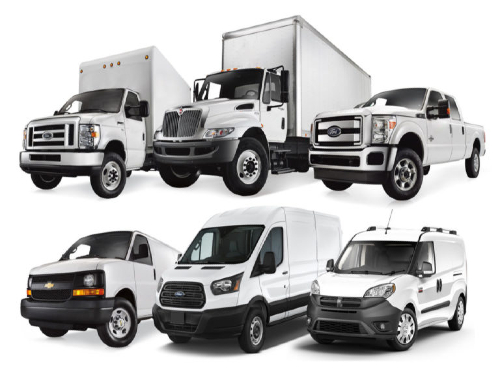
Fleet Auto Glass Repair
We provide expert auto glass repair and windshield replacement services for commercial fleets of all sizes. We are experienced with all manufacturers and machine types of domestic or foreign cars, trucks, vans, or commercial vehicles, including heavy equipment. Our same day mobile auto glass and windshield repair service will enable you to get back on the road faster and start saving you time and money instantly. Give us a call today! We are here to help!
Talk to a Fleet Auto Glass Specialist Now 866.278.7417
The Estimated Cost of Side Window Replacement
A side window typically needs to be replaced entirely, in contrast to a windshield, which may frequently be fixed if the damage is minor. For safety, side windows are usually composed of tempered glass, which breaks into thousands of dull cubes when struck. There is no “repair” option because they break instead of cracking.
Most consumers may anticipate paying between $250 and $550 out-of-pocket for a typical side window replacement, even though Car uses dynamic pricing based on your zip code and vehicle availability.
This pricing range is merely a starting point, though. The price can easily surpass $900 for premium cars or autos with cutting-edge glass technology. You must examine the factors that influence price increases or decreases to comprehend your particular quote.
Important Factors That Affect Your Car Quote: The algorithm takes into account several particular data when you enter the specifics of your car into Car’s quoting tool. You can better predict the final bill by being aware of these.
The most important factor influencing costs is the vehicle’s make and model. For a 2015 Honda Civic, a side window is easily installed and generally accessible. On the other hand, a side window for a vintage Jaguar or a Tesla Model X is harder to find, more costly, and takes more skilled personnel to install without harming the car’s electronics.
OEM vs Aftermarket Glass
Car Auto Glass provides two primary varieties of glass: Original Equipment Manufacturer (OEM): The company that created the glass for your automobile when it came off the assembly line is also the one that makes this glass. It is exactly the same as the original and features the automaker’s emblem. The most costly choice is this one.
Aftermarket or OEE (Original Equipment Equivalent) glass is manufactured by a different company but meets the same criteria as the original. The logo of the automaker is not on it. Unless you specify otherwise, Car will utilize this option because it is far less expensive.
Characteristics Integrated into the Glass: These days, side windows are rarely just glass sheets. The part’s price goes up if your window has any of the following features:
The purpose of acoustic glass is to lessen road noise.
Factory Tint: Glass that is permanently darkened (not an aftermarket film).
Heat/Defrost Elements: Frequently seen in quarter panels or rear side windows.
Antennas or rain sensors may occasionally be incorporated into the glass framework.
Tempered vs. Laminated Glass: To prevent ejection during a rollover, some more recent luxury cars utilize laminated glass for their side windows; however, the majority of side windows are tempered (breaking into cubes). Because laminated glass is more difficult to make, replacing it costs more money.
Do you have a Question?
Get An Auto Glass Replacement Quote Now 866.278.7417
The Hidden Costs in Your Car Replacement Bill
It’s more than simply the price of the glass pane when you see the last figure on the screen. Car’s price structure includes service fees and labor.
The Mobile Service Fee: Car’s ability to come to you is one of their main selling features. This convenience is rarely free, though. Car replacement may impose a mobile service cost, usually between $30 and $50, depending on your location. Bringing your car to one of their physical shop locations (drop-off service) frequently waives this price if you want to save money.
Labor & Installation: The cost of labor varies depending on the installation’s intricacy and the locality. When replacing a side window, the door panel must be taken off, the shattered glass must be vacuumed out of the door frame (a crucial step in preventing rattling), the new glass must be installed, and the door must be put back together. The quote incorporates this labor.
Disposal Fees: Some states or areas require that old glass and materials be disposed of for a price. This fee is typically small, only a few dollars, but it is shown as a line item on the invoice.
Insurance Claims vs. Paying Out-of-Pocket: Whether to use motor insurance is one of the most frequently asked topics about Car appointments. Although Car manages the paperwork and works with almost all major insurance companies, it’s not necessarily the greatest financial option.
When to Make Out-of-Pocket Payments: Verify your “comprehensive” deductible. It is useless to file a claim if the Car quote is $350 but your deductible is $500.
You would still have to pay the entire $350, and you run the risk of having your insurance premiums increase as a result of filing a claim. In this situation, it makes sense to cover the costs yourself.
When to Use Insurance
Filing a claim saves you money if the replacement cost is high (for example, $900 for a luxury SUV) and your deductible is low (for example, $100 or $250).
The “Zero Deductible” States: You might be lucky if you reside in South Carolina, Kentucky, or Florida. Insurance companies are required by law in these states to waive the deductible for replacing windshields; in certain policies, this applies to all glass. Verify the language of your local laws and policies.
What to Expect During the Appointment: Being aware of the procedure can help reduce anxiety. The regular operating method for a side window replacement typically takes between sixty and ninety minutes, regardless of whether you opt for in-shop or mobile service.
Inspection: The technician examines the door mechanism and any damage.
Removal: To get to the window regulator, they take off the inside door panel. Cleanup is essential. To get rid of broken glass fragments, the technician vacuums the car’s interior and, most importantly, the inside of the door panel.
Installation: After the new glass is installed in the regulator, it is checked to ensure that it rolls smoothly up and down. Reassembly involves cleaning the glass and reattaching the door panel.
Frequently Asked Questions
Does Car clean up the broken glass? Indeed. Vacuuming the broken glass from your car’s seats, floor, and inside door panel is a common component of the side window replacement process. However, since deep carpet threads can occasionally overlook small shards, it’s usually a good idea to re-examine the area.
Will my other windows be compatible with the new one? Car fits the new glass to your car’s specs, including the factory tint level.
However, the new glass will only come with the factory tint if you have already tinted your other windows with an aftermarket tint (darker than the legal limitations or certain ceramic tints). To match the custom darkness, you will need to go to a tint store individually.
After replacing a side window, may I drive my car right away? In general, yes. The window regulator holds side windows in place mechanically, in contrast to windshields, which need urethane adhesive to cure for safe driving. The car is typically ready to drive as soon as the service is finished, unless the technician specifies otherwise due to the application of a particular adhesive on a quarter panel.
Making the Right Choice for Your Vehicle
Fixing a broken side window quickly is essential. Car provides a high-end solution with rapid online booking, nationwide warranty coverage, and high availability. This ease makes the expense worthwhile for many drivers.
However, it is advisable to call a few nearby, independent car glass companies to check rates if you are on a limited budget and paying out-of-pocket. Compared to a national giant, local stores could have reduced overhead and labor costs.
Make sure to inquire about the installation’s guarantee regardless of who does the service. A workmanship guarantee is just as vital as the glass itself because improper installation frequently results in water leaks or rattling sounds inside the door panel.
Beyond the Glass: We’ve all been in the wine aisle, gazing at two bottles of Cabernet Sauvignon, and we know what you paid for. It costs twelve dollars. The other is $85.
They appear strikingly identical to the untrained eye: the same 750 ml glass container, the same dark liquid, and possibly even the same vintage year.
What precisely are you paying for, one could wonder? Is the pricey bottle truly seven times superior to the cheap one?
The solution is more complicated than corporate avarice or ostentatious branding. The price tag of a bottle of wine reflects the complex journey from the vineyard to your table. The liquid within is the main attraction, but the supporting cast, including labor, oak barrels, and land expenditures, determines the final cost.
You may enjoy the quality of high-end bottles, make better selections, and recognize when a less expensive alternative is the best option by being aware of these hidden expenses.
The Cost of the Land
Before a single grape is harvested, the most important component in wine pricing frequently begins. Location is important. Vineyard land in exclusive areas fetches a premium, much like real estate in Manhattan is pricier than in rural Kansas.
Land values can skyrocket in well-known areas like Burgundy’s Grand Cru vineyards or Napa Valley. In upscale Napa, an acre might fetch between $300,000 and $500,000. Just to recover their initial investment and property taxes, wineries that operate on this site have to raise their bottle prices.
On the other hand, land costs are lower in areas where more land is accessible, such as the Central Valley of California and sections of Chile and Argentina. As a result, winemakers may create high-quality wines for a much lower cost.
You are paying for the terroir—the unique climate, soil, and prestige of that region—when you purchase a wine from a well-known appellation. Not all farming methods and productivity are equal. The cultivation of grapes directly impacts cost and quality.
Mass Production vs. Hand-Farming: Large, flat farms with fast-moving machinery that harvest quantities of grapes are frequently the source of inexpensive wines. This drastically lowers labor expenses. Machine harvesting can be harsher on fruit, requiring stem or leaf separation later (or processing with juice).
High-end wines are frequently grown on high slopes that are inaccessible to machinery. The vines must be manually pruned, cared for, and harvested. Harvesting by hand guarantees that only the best clusters are chosen, but it is a laborious and costly process.
Do you have a Question?
Get An Auto Glass Replacement Quote Now 866.278.7417
Low Yields for High Quality
Lower quantity frequently translates into higher quality in winemaking, according to a general rule. The flavor is muted if a vine yields an excessive number of clusters of grapes.
In order for the vine to focus all of its energy on the few remaining bunches of grapes, premium winemakers frequently “drop fruit,” removing healthy clusters of grapes during the growing season.
This technique makes the wine stronger and more flavorful, but it also reduces the amount of wine the winery can sell. The price per bottle needs to increase to remain profitable.
The Oak Factor: The aging process starts after the grapes are crushed and fermented. This is where oak barrels, another significant cost, come into play. To add structure, tannin, and flavors like vanilla, spice, and toast, many red wines (and certain whites, like Chardonnay) are matured in oak barrels. But barrels are not inexpensive.
New French oak is the benchmark for many high-end wines. Over $1,200 can be spent on a single new French oak barrel. Each bottle costs about $4, not including the cost of the wine, because a barrel can only hold about 300 bottles.
American Oak: Usually less expensive, with a barrel costing between $500 and $600.
Alternatives to barrels: To add flavor to less expensive wines, winemakers may use staves, chips, or even liquid oak essence. Although it lacks the nuanced integration and oxygenation that actual barrels offer, this keeps the price low.
If a wine label states, “Aged in 100% New French Oak,” you should anticipate a higher price because premium ingredients were utilized.
Time is Money
Keeping inventory in a warehouse poses a liability in the business sector. In the world of wine, quality is essential.
The majority of cheap wines are designed to be drunk right away. Within a few months, they are harvested, fermented, bottled, and transported. This speedy turnaround improves cash flow.
High-end wines often require aging before release. Before reaching a shop shelf, a Rioja Gran Reserva or a Chianti Classico Riserva may be kept in barrels for two years and then in bottles for an additional two years. In the interim, the winery is covering:
Storage area (usually climate-controlled)
Inventory insurance
The cost associated with not selling the product immediately is significant.
When you purchase an old wine, you are covering the costs of storage and the winery’s patience in getting that bottle to its full potential.
Packaging and Perception: Although we would like to believe that flavor is the only factor that matters, our initial purchase is influenced by visual appeal. Wineries are aware of this, and packaging has a significant impact on the final price.
The Bottle: In the hand, heavier glass bottles feel more substantial and opulent. Although they don’t enhance the wine’s flavor, their production and shipping costs are higher.
The Cork: A premium natural cork that ensures decades of maturing without “cork taint” is pricey. For wines intended for youthful consumption, synthetic corks or screw closures are more affordable and dependable.
The Label: Embossed logos, gold foil stamping, and textured paper all raise production costs by pennies or dollars.
Sometimes the price difference is just a marketing ploy. For the sole purpose of creating an air of exclusivity, a premium brand may set its wine prices high. But usually, the packaging indicates that the wine inside is good and worth the price.
The System of Three Tiers
Lastly, there are the unromantic expenses associated with bureaucracy and logistics. The “three-tier system” in the US mandates that producers sell to distributors, who then sell to retailers, who sell to you. Each layer takes a portion of the profit.
Furthermore, one of the most heavily taxed consumer items is alcohol. The ultimate price is layered with excise taxes, sales taxes, and import duties (for wines from other countries). To ensure that everyone in the supply chain makes a small profit, a bottle that costs a winery $10 to create might need to retail for $30.
Discovering Your Sweet Spot: Does this imply that lavish wine is the only thing you should purchase? Not at all. Finding value is much easier when you are aware of these expenses.
You may discover that, because of reduced land expenses, a $15 wine from a less well-known area (such as Portugal or Washington State) offers the same quality as a $40 wine from a well-known French chateau. You may decide that hand-harvesting and new French oak are not necessary for a pizza meal on a Tuesday night.
But you may like that the price isn’t random when you buy a special bottle for a celebration or anniversary. Every drop is a taste of the region, the work, the time, and the artistry that went into it.
Mobile Safe Auto Glass
14241 E Firestone blvd suite 400,
La Mirada, CA 90638
Phone: (562) 608-1154
Toll Free: 1 866 278 7417
Mail: sales@mobilesafeautoglass.com
Get a FREE QUOTE today! You can get a free quote and schedule 24/7 using this free quote wizard.
Mon – Fri 8am – 5pm
Saturday 8am – 1pm
Sunday Closed