At Home Windshield Repair for Street Parking
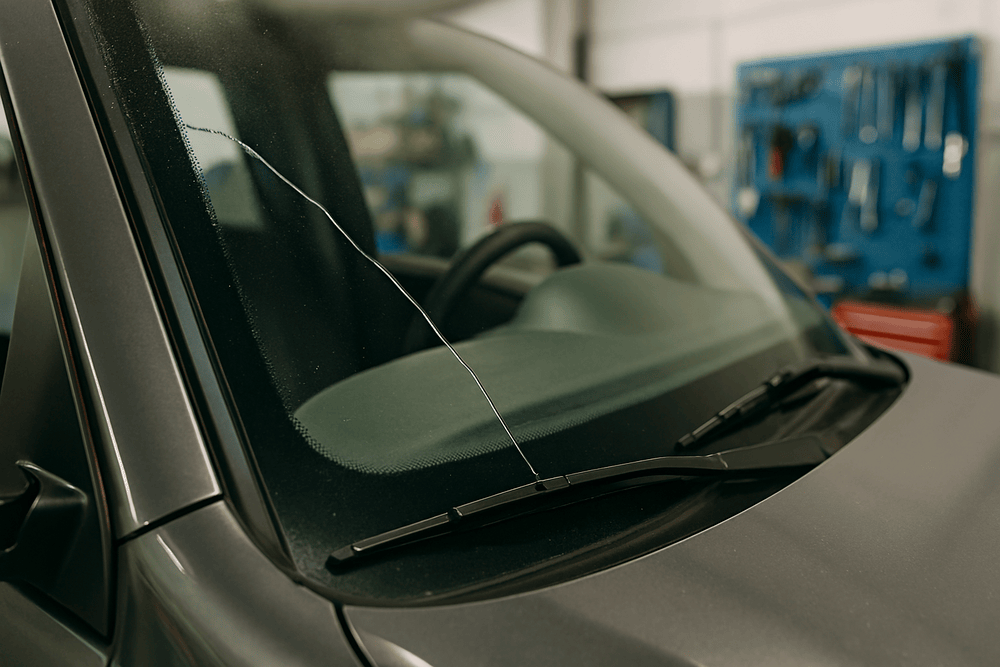
With coffee in hand, you head outside to your car in the morning to discover a spiderweb crack developing across the windshield. The day is off to a frustrating start. The answer is simple for anyone who has a driveway or garage: contact a mobile windshield repair service. But what if you rely on street parking? If you live in a city or a congested neighborhood, street parking adds a layer of complication to vehicle maintenance. You might be wondering if mobile auto glass specialists can legally and safely operate on your car when it’s parked on a public road. The quick answer is usually yes, but there are special logistics and safety factors you need to know before arranging that session.
Get An Auto Glass Replacement Quote Now 866.278.7417

Windshield Replacement & Repair
Our competitors push you into going to their shop to get your glass fixed-making it cheaper for them. We make it easier for YOU to get back on the road by offering free mobile repairs at your home or work. With our free mobile services servicing the entire Orange County & Los Angeles area, we can often handle your windscreen replacement the same day! So the next time you need a windshield replacement, give us a call.
Talk to a Windshield Replacement Specialist Now 866.278.7417

Calibration
Calibration is the process of returning a vehicle’s ADAS to OEM specifications. Calibration is necessary after a new glass installation, particularly a windshield with a camera mounted to it, to ensure that the ADAS features continue to function properly despite having been moved during installation. If a car’s ADAS is not properly calibrated, the system may not function safely. A misaligned camera could jeopardize the functionality of the system and lead to dangerous driving or accidents, so it is crucial that the cameras are aligned perfectly, which is what windshield calibration ensures.
Talk to a Calibration Specialist Now 866.278.7417

Fleet Auto Glass Repair
We provide expert auto glass repair and windshield replacement services for commercial fleets of all sizes. We are experienced with all manufacturers and machine types of domestic or foreign cars, trucks, vans, or commercial vehicles, including heavy equipment. Our same day mobile auto glass and windshield repair service will enable you to get back on the road faster and start saving you time and money instantly. Give us a call today! We are here to help!
Talk to a Fleet Auto Glass Specialist Now 866.278.7417
The Curbside Repair Logistics
Mobile windshield repair services are designed for convenience. Technicians bring their shop to you, whether you are at home, at work, or even in the grocery store. However, operating on a public street creates a different situation than a private driveway.
Space Requirements: A technician requires room to work. Replacing a windshield isn’t just about popping out the old glass and pasting in the new one. The technician needs access to:
The passenger side: To prep the glass and urethane.
The driver side: To adjust the glass appropriately. The cowl and windshield wipers are accessible from the hood area.
The technician may find it difficult to securely maneuver past your automobile if it is snugly parked parallel to two other cars. They also need space to park their van nearby to get tools and the new glass. This becomes a barrier if the street is congested or narrow.
Safety Issues: Safety is the foremost consideration for mobile professionals. If your automobile is parked on a major main road with strong traffic rushing by, a technician may deny the task. They are unable to securely operate on the driver’s side of the car while standing in the street.
If you live on a quiet residential side street, this is rarely an issue. But if you are parked on a major road, you will likely need to move the vehicle to a quieter spot for the repair to take place.
How to Prepare for a Streetside Appointment
Follow these preparation measures to make sure your appointment goes well and you don’t have to deal with a cancellation when you arrive.
Examine the area: Look at your parking spot via the eyes of the technician. Does the car have a minimum of two feet of space on either side?
Can the technician open their van doors nearby without blocking traffic? If your current place is too tight, try to move your car early in the morning to a spot with more buffer room, especially on a corner or at the end of a block.
Check Local Regulations: Although they are uncommon, certain homeowners organizations (HOAs) or stringent local laws forbid auto maintenance on public roads.
This is more usual for technical repairs (such as oil changes) than cosmetic or glass repairs, but it is worth a quick check. Most glass repair is quick enough—usually 30 to 60 minutes—that it goes beneath the radar of most parking enforcement, assuming you aren’t blocking traffic.
Talk to the Technician: Be honest about the parking problem when you schedule the appointment. “Car is street parked on a one-way street” or “Parked on a busy road” should be noted or sent to the dispatcher.
The heads-up is appreciated by the technicians. They might call you when they are ten minutes away to ask you to find a spot for their van, or they might recommend meeting at a neighboring parking lot if the street is too unsafe.
Do you have a Question?
Get An Auto Glass Replacement Quote Now 866.278.7417
What If Street Parking Is Not an Option
Sometimes, the street is just too busy, or the weather is too severe for an outdoor repair. If street parking isn’t viable, you still have options.
Meet in a Neutral Location: Most mobile techs are flexible. You can typically arrange to meet them at a large, open public parking lot, such as a shopping center or a park and ride. This provides adequate space and safety for the professional to execute their job effectively.
Work Parking Lots: If your employer allows it, having the repair done at your office parking lot is typically easier than repairing it at home on a busy street. It saves you time and usually assures a safer atmosphere for the installer.
In-Shop Service: Bringing your vehicle to a physical auto glass shop is the safest choice if mobile service is proving to be too challenging to arrange. While it demands more time out of your day, it assures the car is fixed in a climate-controlled, safe setting.
Weather Considerations for Outdoor Repairs
When fixing a windshield outside, you have to contend with the weather in addition to traffic.
Rain: Windshield resin and urethane need a dry surface to adhere successfully. If it is pouring and you don’t have shelter, the technician cannot do the repair.
Temperature: Extreme cold or extreme heat can alter how the repair resin cures. Most technicians have protocols for this, but if it is freezing and you are parked on the street, the repair can take longer or need to be rescheduled.
Wind: On a windy roadway, debris might fly into the urethane before the glass is cured, jeopardizing the seal. If the forecast seems bleak, you will likely need to find a covered space or opt for in-shop service.
Getting You Back on the Road: A damaged windshield shouldn’t spoil your week, even if you don’t have a private driveway. Mobile technicians are competent in navigating the obstacles of city parking, provided the situation is safe.
By assessing your parking spot for space and traffic flow and speaking effectively with your service provider, you may simply get your auto glass fixed right at the curb. If your street is too chaotic, remember that gathering in a quiet parking lot is always a suitable choice.
Prevent a minor fissure from becoming a complete replacement. Assess your parking situation today and schedule that repair.
Will the Crack in Your Windshield Spread
It usually starts with a startling pop on the highway. A little starburst or a bullseye chip appears directly in front of you as you recoil and look at the glass. It looks tiny at first—a minor cosmetic nuisance that you convince yourself you will deal with “someday.”
However, “someday” frequently comes far sooner than expected. Overnight, that quarter-sized chip might grow into a foot-long crack, endangering your safety and necessitating a far more costly complete windshield repair.
While the initial impact produces the damage, it is rarely the rock itself that makes the crack expand. The real problem is your local surroundings.
The invisible elements around your vehicle every day—temperature, humidity, and driving conditions—are always fighting against that weakened piece of glass. Understanding these local exposure hazards is the key to keeping your windshield and knowing when to get to the repair shop.
The Science of Thermal Shock: The most active enemy of a damaged windshield is temperature variation. Despite its rigidity, glass expands when heated and compresses when cold. This molecular dance can be easily handled by an unbroken windshield. However, at the point of impact, a chipped windshield has lost its structural integrity.
Stress is produced when a portion of the glass expands or contracts more quickly than the surrounding area. This phenomenon is known as thermal stress or thermal shock.
The Defroster Danger: In colder climates, the morning routine often entails blasting the defroster to melt ice. As a result, there is a significant temperature difference. The outside of the glass remains extremely cold while the inside is subjected to severe heat.
The quick expansion of the inner layer of glass against the hard, cold outer layer puts great force on any existing chips. The chip typically shoots out into a lengthy spiderweb crack as a result of this tension while searching for a release point.
The Scorching Summer Effect: In warmer climates, the opposite occurs. The windshield functions as a greenhouse when your car is in direct sunshine, trapping heat and boosting the temperature of the glass considerably.
You will shock the glass with cold air if you get inside the car and turn on the air conditioning right away. The abrupt contraction might cause a chip to “run” instantaneously.
Even without the AC, high heat causes the glass to expand. If the metal frame of the car grows at a different rate than the glass, the resulting pressure can crush the windshield, leading cracks to deepen.
Rough Roads and Vibration Stress
Your windshield is a structural part of your car and does more than merely block the wind. In the case of a rollover, it supports the roof and adds to the rigidity of the car’s cabin. This means the glass is under constant physical stress even when the automobile is parked.
When you drive, that stress multiplies. Every vibration from the engine and every bump on the road passes through the chassis and into the glass.
The Pothole Problem: In places with weak infrastructure or frequent freeze-thaw cycles, potholes are ubiquitous. A shockwave travels through the car as it hits a pothole. For a solid windshield, this is manageable. When a windshield has a “divot” or chip, the shockwave focuses on the damage, which is the weakest spot.
Gravel and Dirt Roads: Drivers in rural areas face higher dangers. Constant vibration from washboard gravel roads behaves like a jackhammer on a microscopic level.
If the wheel strikes a particularly deep rut, these micro-vibrations may induce an abrupt split or gradually prolong a crack over time. A little chip is a ticking time bomb if you live in a region with dirt roads or active development.
Do you have a Question?
Get An Auto Glass Replacement Quote Now 866.278.7417
The Freeze Cycle and Moisture
Water is surprisingly harmful to auto glass, notably when paired with freezing temperatures. A windshield consists of two layers of glass with a layer of polyvinyl butyral (PVB) plastic sandwiched in between.
When a rock breaks the glass, it often penetrates the top layer and exposes the inner structure. Rain, snow, and car washes introduce moisture into this fissure.
Ice Wedging: If the temperature dips below freezing, the water trapped inside the chip freezes. One of the few materials that expands when it freezes is water.
This expansion exerts immense hydraulic pressure on the surrounding glass. It acts like a wedge, literally driving the glass apart. For this reason, even though the car hasn’t moved an inch, many drivers wake up to a broken windshield following an especially cold night.
PVB Delamination: Even in non-freezing climates, moisture is a hazard. The PVB layer may fog up or detach from the glass after prolonged contact with moisture (delamination). While this doesn’t necessarily cause a crack to spread immediately, it weakens the structural bond of the safety glass, making it more prone to damage from minor impacts or vibrations later on.
Changes in atmospheric pressure: Changes in elevation can damage glass, but they are not as common as changes in temperature. Drivers who frequently travel between sea level and high altitudes or who reside in hilly areas are particularly vulnerable.
As you rise, atmospheric pressure lowers. The air trapped between the layers of glass (or within the minuscule pockets of a chip) may expand slightly relative to the outside pressure. While generally minimal, this increased stress can be the “straw that breaks the camel’s back” if the glass is already weakened by a deep stone chip and subjected to winding, twisting mountain roads.
How to Keep Your Glass Safe
Knowing the hazards is half the battle. There are a few short-term steps you may take to lessen the possibility of the damage spreading if you have a chip and are unable to visit a repair shop right away.
Park beneath Cover: Try to park beneath a carport or in a garage whenever you can. This covers the glass from direct sunshine (reducing heat buildup) and keeps it warmer during icy nights (lowering the severity of thermal shock). It also keeps rainwater out of the crack.
Manage Your Climate Control: Steer clear of abrupt temperature swings. In the winter, warm up the car slowly rather than blasting the defroster on high immediately.
In the summer, roll down the windows to allow hot air to escape before running the AC. Until the interior temperature stabilizes, turn the air vents away from the windshield.
Use Clear Tape
To keep moisture and dirt out of the fracture, lay a piece of transparent packing tape over the chip. This is not a structural fix and will not hold the glass together, but it keeps the area clean. A clean chip is easier for a professional to repair and results in a better cosmetic outcome than a messy one packed with road grime.
Don’t Wait Until It Shatters: The local environment is unrelenting. You are playing against physics and thermodynamics every day when you drive with a damaged windshield. If a crack extends across your line of sight, a $50 repair may rapidly become a $500 replacement deductible.
The most effective strategy to limit these exposure hazards is speed. Modern resin repairs are rapid, effective, and often covered by insurance coverage with no deductible. By fixing the damage when it is tiny, you restore the structural integrity of the glass and take the weather out of the equation.
Mobile Safe Auto Glass
14241 E Firestone blvd suite 400,
La Mirada, CA 90638
Phone: (562) 608-1154
Toll Free: 1 866 278 7417
Mail: sales@mobilesafeautoglass.com
Get a FREE QUOTE today! You can get a free quote and schedule 24/7 using this free quote wizard.
Mon – Fri 8am – 5pm
Saturday 8am – 1pm
Sunday Closed