Mistakes Before Chip Fix Cracked Windshield Repairs
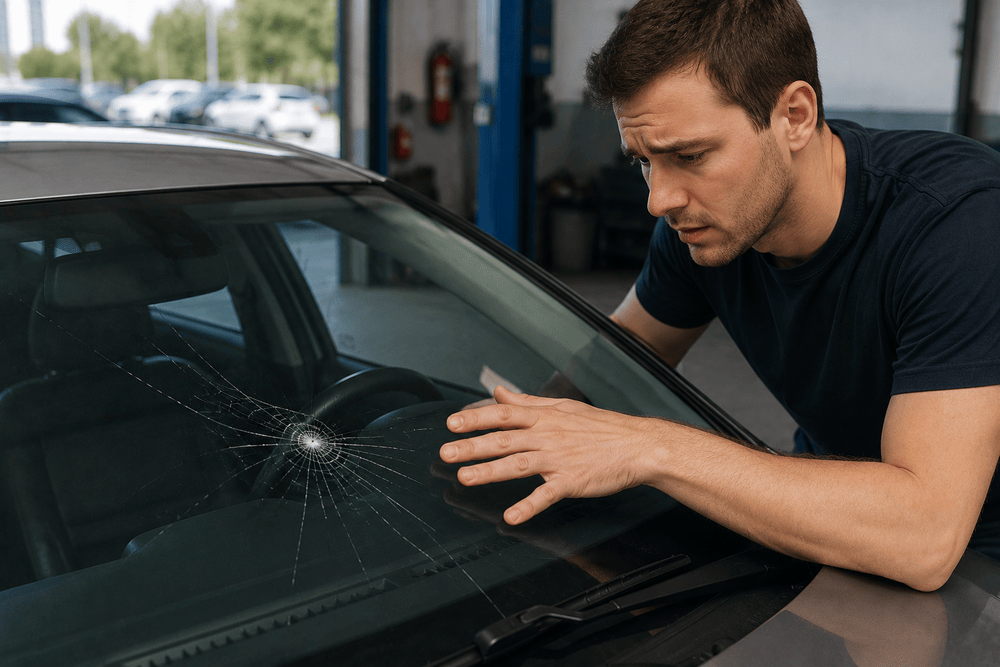
It seems simple to overlook a little chip on your windshield. You have somewhere to go, it’s little, and it’s off to the side. However, that chip is a ticking clock, and whether you pay for a $50 patch or a $400 complete windshield replacement depends on what you do (or don’t do) in the hours and days leading up to having it properly fixed. Even though chip repair is one of the simplest vehicle glass treatments available, it’s shockingly simple to do incorrectly before you ever enter a shop. A clean, dry, and debris-free surface is necessary for the glue used to fill a windshield chip to bind correctly. A straightforward fix may be ruined by anything that weakens that surface, such as dampness, cleaning supplies, or physical pressure.
Get An Auto Glass Replacement Quote Now 866.278.7417

Windshield Replacement & Repair
Our competitors push you into going to their shop to get your glass fixed-making it cheaper for them. We make it easier for YOU to get back on the road by offering free mobile repairs at your home or work. With our free mobile services servicing the entire Orange County & Los Angeles area, we can often handle your windscreen replacement the same day! So the next time you need a windshield replacement, give us a call.
Talk to a Windshield Replacement Specialist Now 866.278.7417

Calibration
Calibration is the process of returning a vehicle’s ADAS to OEM specifications. Calibration is necessary after a new glass installation, particularly a windshield with a camera mounted to it, to ensure that the ADAS features continue to function properly despite having been moved during installation. If a car’s ADAS is not properly calibrated, the system may not function safely. A misaligned camera could jeopardize the functionality of the system and lead to dangerous driving or accidents, so it is crucial that the cameras are aligned perfectly, which is what windshield calibration ensures.
Talk to a Calibration Specialist Now 866.278.7417

Fleet Auto Glass Repair
We provide expert auto glass repair and windshield replacement services for commercial fleets of all sizes. We are experienced with all manufacturers and machine types of domestic or foreign cars, trucks, vans, or commercial vehicles, including heavy equipment. Our same day mobile auto glass and windshield repair service will enable you to get back on the road faster and start saving you time and money instantly. Give us a call today! We are here to help!
Talk to a Fleet Auto Glass Specialist Now 866.278.7417
Timing and Preparation Matter More Than Most People Think
Windshield chips are fixed by injecting a clear, UV-cured resin into the affected area. The resin binds with the glass, restores structural integrity, and significantly lessens the chip’s visibility when applied appropriately on a surface that has been properly prepared.
The adhesive won’t entirely bind when applied to a polluted or damaged surface, leaving you with an unsightly fix that might eventually break.
The majority of vehicle glass specialists will inform you that the actual repair takes around half an hour. The outcome depends on the preparation—or lack thereof.
Washing Your automobile Right Before the Appointment: Bringing a clean automobile to any auto shop sounds polite. However, cleaning your vehicle beforehand—especially at a drive-through car wash or with a power washer—can push soap and water residue straight into the chip for chip repairs.
The resin cannot adequately adhere to the glass if moisture gets into the damaged region. A technician may need to try to dry out the chip before moving further, which isn’t always successful, since even a little bit of retained water will make the repair fail.
Instead, wait at least 24 hours before your scheduled car wash. Leave it if your windshield is filthy. Using the proper equipment and solutions, the technician will personally clean the chip area.
Using Temporary Fillers or Do-It-Yourself Fixes
The chip repair kits from hardware stores are alluring since they are inexpensive, quick, and guaranteed to prevent the fracture from spreading. The issue is that experienced technicians use a different kind of resin than the majority of these kits. A professional repair is far more difficult to carry out correctly after the amateur filler is within the chip.
A DIY filler may sometimes be removed by technicians, but the procedure isn’t usually tidy. Sometimes the only solution is to replace the whole windshield since a contaminated chip can no longer be fixed at all.
What to do instead: As soon as you see the chip, schedule a professional repair. The majority of stores accept appointments for the same day or the next day. Go to Mistake #5 for the proper method of temporarily stabilizing the chip if you’re concerned about it spreading in the meantime.
Parking in Severe Heat or Cold Before Repair: Glass is stressed by temperature fluctuations. When exposed to abrupt temperature changes, such as parking in direct sunlight on a hot day, blasting the defroster in the winter, or running the air conditioner at full power on a sweltering afternoon, a chip that is stable in mild conditions may crack even more.
The glass swells in intense heat and shrinks in extreme cold. The chip, which is the weakest part of the windshield, is affected by this continuous tension.
What to do instead: In the days before your repair, park whenever you can in a covered garage or in the shade. Don’t aim the defroster or heater straight at the windshield. The chip is far less likely to spread with gradual temperature changes.
Do you have a Question?
Get An Auto Glass Replacement Quote Now 866.278.7417
Using Domestic Products to Clean the Chip
Some drivers use dish soap, glass cleaner, or rubbing alcohol to keep the chip clean before their appointment. Although these items work well for cleaning windshields in general, putting them straight into a chip introduces moisture and chemicals that disrupt the resin bonding process.
Glass cleaners with an ammonia base are especially troublesome. Under UV light, ammonia might react with the resin and stop it from curing properly.
Instead, just leave the chip alone. Avoid immediately spraying anything on it, wiping it with a towel, and attempting to remove particles with a toothpick or pin. A skilled technician has equipment and solutions made especially for preparing chips.
When tape is used incorrectly, it might lead to additional issues. Most drivers make the error of either leaving the tape on for several days in direct sunlight or pressing it firmly into the chip. Heat and pressure may cause tape adhesive to soak into the chip, creating a sticky residue that has to be carefully removed before applying resin.
Instead, carefully cover the chip with a tiny piece of transparent tape, being sure not to push down on it. As soon as you arrive at the shop, take it off, being careful not to seal the edges too tightly. This is not a long-term solution, but rather a temporary one.
Too Long to Schedule the Repair
Perhaps the most expensive error of all is this one. A chip does not remain a chip indefinitely. That chip may continue to fracture due to temperature changes, pressure from the wiper blades, vibration while driving, and even a little bump on the road.
Most car glass businesses are unable to fix cracks that are longer than around six inches or that reach the edge of the windshield. The only alternative at that point is a complete windshield replacement, which usually costs several times more than a chip repair.
Instead, schedule a repair within 24 to 48 hours after discovering the damage. There is no need to schedule transportation since many auto glass firms provide mobile services that come right to your house or place of business. The better the result and the lower the expense, the sooner you take action.
The Correct Repair Begins Before You Get to the Shop: When the surface is properly maintained in advance, windshield chip repair is quick, inexpensive, and efficient. Because they are counterintuitive, the errors described here are often made.
Cleaning the chip, washing your car, and attempting to fix the damage yourself all seem like sensible solutions. In fact, they are the very acts that are most likely to jeopardize the repair.
A chip may be completed by a qualified technician in less than an hour. All you have to do is make sure the chip is in optimal condition till you arrive.
Steer clear of heat, dampness, do-it-yourself items, and make your appointment as soon as possible. This combination increases the likelihood that the repair will be successful and prevents a little annoyance from becoming a significant expenditure.
Frequently Asked Questions
Is it possible for a windshield chip repair to fail? Indeed. When moisture, dirt, or chemical residue contaminates the damaged region either before or during the repair, chip repairs are most likely to fail. This danger is greatly decreased by selecting a reliable car glass expert and avoiding the following faults.
What is the duration of a professional windshield chip repair? The majority of chip fixes need 20 to 45 minutes. A UV light is used to cure the resin after it has been injected into the chip. The car is prepared for driving after the surface has been polished after curing.
After a chip repair, when can I resume driving? Usually, right away. Before returning your keys, experts will make sure the repair is finished since UV-cured resin sets rapidly. To give the resin time to completely cure, avoid washing your automobile for at least 24 hours after the repair.
Are windshield chip repairs covered by auto insurance? Since fixing a chip is much less expensive for insurers than replacing an entire windshield, many comprehensive auto insurance policies cover chip repairs with no deductible. Examine your insurance or contact your insurer before making an out-of-pocket payment.
How big of a chip can be mended without replacing the windshield? As long as the damage is not in the driver’s direct line of sight and has not reached the edge of the windshield, the majority of car glass specialists can fix chips up to one inch in diameter and fractures up to six inches in length. When damage exceeds these limits, a complete replacement is usually necessary.
Is driving with a chipped windshield safe? In the near term, a little chip that is out of the driver’s line of sight is usually drivable, but the longer you wait, the more likely it is to become a crack.
Prevent These Expensive Repair Errors
In less than a day, a little chip may grow into a large fracture. The majority of drivers are aware that they should repair a broken windshield, but very few are aware of how simple it is to exacerbate the issue and the associated expense.
The errors individuals make when it comes to windshield damage are surprisingly widespread, ranging from picking the incorrect repair business to waiting too long. A few hundred dollars is the price of some.
Others lead to voided insurance claims, unsuccessful safety inspections, or worse—a windshield that breaks at the wrong time. The most common and expensive mistakes drivers make when dealing with a cracked windshield are broken down in this article, along with tips on how to prevent each one.
Why It’s Important to Take Quick Action on a Broken Windshield: A windshield is more than simply a piece of glass. The Auto Glass Safety Council (AGSC) claims that it may account for up to 30% of a car’s structural stiffness. An undamaged windshield helps save the roof from collapsing in a rollover collision.
It serves as a backstop to keep the airbag pointed in the direction of the passenger during airbag deployment. The structural integrity of a windshield is jeopardized when there is even a small break.
A little chip may spread across the whole glass in a matter of days due to temperature changes, vehicle vibrations, and road debris. The lesson is that you will spend more and have fewer alternatives the longer you wait.
Postponing the Fix and Hoping It Remains Small
The most costly error that drivers make is this one. For $50 to $150, a chip smaller than a quarter and a crack less than three inches may often be fixed. If the same crack becomes larger than 12 inches, you’ll need to replace the whole windshield, which might cost anywhere from $200 to $1,000 or more depending on the car.
One of the main offenders is thermal stress. The glass expands and contracts unevenly when you park in full sunshine, run the defroster on high, or drive through cold rain, which forces damage that already exists to worsen. Make an appointment for a repair within 24 to 48 hours if you see a chip or crack.
Using Do-It-Yourself Repair Kits for Too Much Damage: Over-the-counter windshield repair kits may work, but only for very certain kinds of damage. Reasonable options include tiny bullseye chips and star cracks that are less than an inch in diameter. A professional should always handle anything that interferes with the driver’s line of sight, such as long cracks or edge damage.
DIY kits carry more risks than just a subpar finish. Incorrect application of the glue might trap moisture or air bubbles within the break, compromising the repair and decreasing optical clarity.
A poorly executed do-it-yourself project may also prevent future insurance coverage for the damage. Before you open a kit, be aware of its limitations.
Selecting a Repair Shop Only on Price: Low-cost windshield replacements sometimes include low-cost glass. Not all car glass is made equally. Gaps in the adhesive seal of a poorly constructed windshield may result in wind noise, water leaks, and—most importantly—a windshield that might not function properly in an accident. Look for stores that have earned the Auto Glass Safety Council’s certification, and find out whether they utilize OEM or OEM-equivalent glass.
Do you have a Question?
Get An Auto Glass Replacement Quote Now 866.278.7417
Not First Examining Your Insurance Policy
Unaware that their comprehensive vehicle insurance covers glass damage—sometimes with no deductible at all—many drivers spend out-of-pocket for windshield repairs. Filing a glass claim usually doesn’t increase your rate the way an at-fault collision would, even in places where this regulation isn’t in place.
Check your policy documentation or give your insurer a call before you spend a single cent on repairs. You could have no debt.
Driving Through a Car Wash Immediately After Repair: Many folks are surprised by this. The glue used to join the windshield requires time to dry, usually 24 hours, however this might vary depending on temperature and humidity, whether you’ve had a chip fixed or a complete replacement.
Before a new seal is completely established, it might be compromised by high-pressure water, brushes, and cleaning agents. The same holds true for continually slamming doors or keeping windows open in the hours after a replacement. Get the precise post-installation care instructions from your technician and adhere to them.
Ignoring Damage in the Driver’s Field of Vision: A little crack in the driver’s direct line of sight poses a legal and safety risk. Windshield damage that blocks a driver’s vision is prohibited by law in many places, and infractions may result in penalties from law enforcement.
From a safety perspective, glare, contrast reduction, and light scattering caused by cracks in the driver’s sightline all hinder vision, particularly at night or in rainy circumstances. Rarely can cracks in this region be fixed; they almost always need to be completely replaced. Avoid trying to go around them.
How to Properly Handle a Cracked Windshield
When you see windshield damage, perform this simple procedure: Evaluate the damage right away. Measure the chip or crack and record its location in relation to the glass’s edges and the driver’s sightline.
Verify your insurance. Before scheduling any repairs, get in touch with your insurer to find out what is covered by your policy.
Select an authorized store. Seek for experts with AGSC certification and make sure they utilize OEM or OEM-equivalent glass.
Observe the aftercare guidelines. For at least 24 hours after the repair, stay away from vehicle washes, abrupt temperature changes, and slamming doors.
When Is It Safe to Continue Driving While Your Windshield Is Cracked? The short answer is that it depends on the location, size, and spread of the crack.
For a day or two while you make repairs, a tiny chip that is out of the driver’s line of sight and away from the glass’s edges is usually safe. Anything in the driver’s direct line of sight, a crack larger than six inches, or any damage touching the edges should all be handled immediately.
Because they have the potential to detach the whole windshield under pressure, edge fractures are especially harmful. Treat the crack as an emergency repair if it has spread overnight or after a temperature change.
Common Questions
Does insurance cover replacing or repairing windshields? Windshield damage is frequently covered by comprehensive auto insurance. Certain states, including Florida, Kentucky, and South Carolina, mandate that insurance pay for windshield repairs without a deductible. Prior to making an out-of-pocket payment, review your coverage.
How much time does it take to repair a windshield? Replacements typically take one to two hours. However, before the car is suitable for regular usage, the glue must completely cure, which takes about a day.
If I fail to repair a damaged windshield, what will happen? Road debris, vibration, and temperature fluctuations cause cracks to spread over time. Within 24 to 48 hours, a little chip may grow into a complete fracture. In addition to raising the expense of repairs, an unrepaired windshield jeopardizes sight and structural integrity and may result in traffic tickets.
After replacing my windshield, do I need to recalibrate my ADAS? Yes, provided that your car includes advanced driver assistance features like automated emergency braking or lane-keep assist. After replacement, the camera and sensors attached to the windshield need to be calibrated. Those safety mechanisms may become faulty if this step is skipped.
Is it acceptable to operate a vehicle with a cracked windshield? States have different laws, but most prohibit driving when there is damage that blocks the driver’s vision. The most likely cause of a citation is a crack in the driver’s sightline, which needs to be fixed right away.
Mobile Safe Auto Glass
14241 E Firestone blvd suite 400,
La Mirada, CA 90638
Phone: (562) 608-1154
Toll Free: 1 866 278 7417
Mail: sales@mobilesafeautoglass.com
Get a FREE QUOTE today! You can get a free quote and schedule 24/7 using this free quote wizard.
Mon – Fri 8am – 5pm
Saturday 8am – 1pm
Sunday Closed