Signs You Need Auto Glass Windshield Repair
You are traveling down the highway, music playing, enjoying the open road. Your drive is abruptly interrupted by a loud crack. The semi-truck in front of you kicked up a rock that struck your windshield. Your heart sinks as you spy the little starburst pattern directly in your line of sight. Most drivers have experienced this moment of frustration. It is easy to overlook harm, particularly when life becomes hectic. You could assume the little chip is only a cosmetic irritation, something you can deal with until your next car inspection. However, your windshield is a key component of your car’s safety system. Your safety is jeopardized when that glass is compromised.
Get An Auto Glass Replacement Quote Now 866.278.7417

Windshield Replacement & Repair
Our competitors push you into going to their shop to get your glass fixed-making it cheaper for them. We make it easier for YOU to get back on the road by offering free mobile repairs at your home or work. With our free mobile services servicing the entire Orange County & Los Angeles area, we can often handle your windscreen replacement the same day! So the next time you need a windshield replacement, give us a call.
Talk to a Windshield Replacement Specialist Now 866.278.7417

Calibration
Calibration is the process of returning a vehicle’s ADAS to OEM specifications. Calibration is necessary after a new glass installation, particularly a windshield with a camera mounted to it, to ensure that the ADAS features continue to function properly despite having been moved during installation. If a car’s ADAS is not properly calibrated, the system may not function safely. A misaligned camera could jeopardize the functionality of the system and lead to dangerous driving or accidents, so it is crucial that the cameras are aligned perfectly, which is what windshield calibration ensures.
Talk to a Calibration Specialist Now 866.278.7417

Fleet Auto Glass Repair
We provide expert auto glass repair and windshield replacement services for commercial fleets of all sizes. We are experienced with all manufacturers and machine types of domestic or foreign cars, trucks, vans, or commercial vehicles, including heavy equipment. Our same day mobile auto glass and windshield repair service will enable you to get back on the road faster and start saving you time and money instantly. Give us a call today! We are here to help!
Talk to a Fleet Auto Glass Specialist Now 866.278.7417
Visible Chips and Cracks
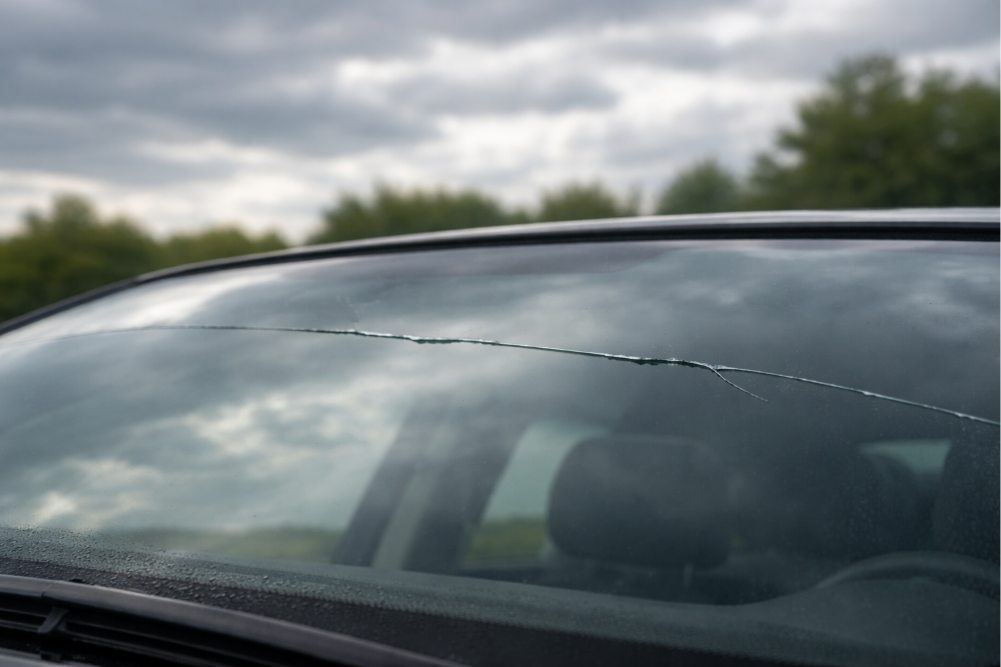
The most apparent sign that you require windshield repair is visible damage. However, not all cracks are made equal, and recognizing the severity is crucial to evaluating if a patch would suffice or whether you need a complete replacement.
The “Quarter” Rule: The magnitude of the impact point is a useful guideline for determining damage. If a rock chip is less than a quarter (or around one inch in diameter), a professional can typically fix it. A transparent resin is injected into the chip as part of the repair method.
After the resin has been injected, it is cured using ultraviolet light. The structural integrity of the glass is preserved as a result of this action, which prevents the fracture from becoming wider.
If the fracture is longer than a dollar note, however, the damage is likely too extensive for a simple patch job. At that point, the glass’s structural strength has significantly deteriorated, making replacement the only safe solution.
Location Matters: Even a little chip might need rapid care depending on where it lies. A Windshield repair may not be the best course of action if the damage is immediately in the driver’s line of sight. While resin repairs are efficient, they might leave a tiny distortion in the glass. This distortion might confuse the motorist or cloud their vision, presenting a safety issue.
Furthermore, fractures close to the windshield’s edge are very hazardous. These fractures tend to expand fast because of the tension imposed on the glass border when driving. If you notice a crack developing near the frame, please schedule an appointment at your earliest convenience.
Pitting and Surface Damage: Not all damage comes in the form of a spectacular crack. Over time, your windshield is exposed to a steady assault of road debris, sand, and dust. This condition is particularly frequent for highway drivers or those living in arid, sandy settings. “Pitting” is the term for the small craters that this “sandblasting” action leaves on the glass’s surface.
The Danger of Glare
Pitting could appear innocent when you look at it attentively in a parking lot. The true risk emerges when the sun strikes the glass.
When sunlight hits a pitted windshield, the light refracts through the thousands of small divots, generating extreme glare. This may be blinding at dawn or sunset or while facing approaching headlights at night.
Your windshield may be beyond repair if you find yourself squinting excessively or struggling to see the road clearly, even with clean glass. In extreme situations, cleaning the glass won’t help, and a replacement is essential to restore vision.
A White Haze Around the Edges: Have you ever seen a milky white haze seeping in from your windshield’s edges? This is an indication of delamination.
Your windshield is not a single piece of glass. It is built of two layers of glass with a layer of unique plastic (polyvinyl butyral, or PVB) sandwiched in between. This plastic covering is what protects the glass from breaking into sharp pieces upon contact. It effectively keeps the windshield together.
Delamination happens when the PVB layer starts to detach from the glass layers. This commonly develops owing to age, excessive heat, or water damage. When the seal breaks, air and moisture penetrate between the layers, generating that telltale white haze.
Once delamination begins, it cannot be reversed. Delamination jeopardizes the structural integrity of the glass because it no longer properly links the layers. If you are in an accident, the glass is more likely to break violently. This condition is a clear indicator that you need new car glass.
Wind Noise or Water Leaks: Sometimes the issue isn’t with the glass itself, but with how it fits into your car. If your car is older or you just replaced the windshield, the glass seal may break.
Do you have a Question?
Get An Auto Glass Replacement Quote Now 866.278.7417
Pay Attention to Your Car
Do you notice a whooshing or whistling sound coming from the windshield area while you’re driving fast? That is the sound of air entering the cabin via a break in the seal. An impermeable windshield is ideal. If air can get in, the glass is not secure.
Check for Moisture: In a similar vein, your windshield seal could be to blame if you see moist carpet in the footwells or damp areas on your dashboard after a vehicle wash or downpour.
Water leaks may cause mold growth and harm to the electronics inside your automobile. More crucially, a loose windshield may come out fully during a crash or airbag deployment, leaving the passenger-side airbag ineffective (since it bounces off the windshield to deploy properly).
Malfunctioning ADAS Sensors: Include features like lane departure alerts, automated emergency braking, and rain-sensing wipers.
Many of the cameras and sensors for these systems are situated on the inside of the windshield, often behind the rearview mirror. They rely on pristine glass to perceive the road and potential hazards ahead.
Chipped, cracked, or pitted windshields may prevent the devices from functioning. When you need them most, they may either fail to activate or give you misleading alerts.
Additionally, recalibration is essential if your windshield is changed. Simply replacing the glass isn’t enough; the cameras must be carefully positioned to guarantee the safety measures operate correctly. If you see your ADAS features working strangely, examine the glass covering the sensors first.
Reasons Not to Wait
Avoid procrastination as it can negatively impact vehicle glass repair. An easy and inexpensive solution is a tiny chip. A huge crack is a costly replacement. Several things may convert small damage into significant harm overnight:
Temperature fluctuations: Glass expands in heat and shrinks in cold. Using your defroster on a chilly morning or blasting the AC on a hot day exerts tremendous stress on the glass, causing little chips to shoot out into large fractures.
Road vibrations: Hitting a pothole or driving on a gravel road may cause a chip to spread fast.
Moisture: When water freezes within a fracture, it expands and pushes the glass apart.
You and your passengers are in danger if you disregard the signals. Your windshield guarantees proper airbag deployment and supports the roof during rollovers. Maintaining it is equally as crucial as changing your oil or checking your brakes.
Frequently Asked Questions: Can I fix a fracture that is longer than 6 inches? Technically, some sophisticated repair kits can fix fractures up to 12 or even 14 inches. However, most competent vehicle glass businesses advise against mending fractures longer than a dollar bill (approximately 6 inches). The longer the fracture, the harder it is to restore the glass’s structural strength, and the more likely it is to reopen or widen.
Will the repair of my windshield be covered by my insurance? Yes, in a great number of situations. Many insurance companies may waive the deductible for windshield chip repairs since windshields are considered to be an essential component of vehicle safety.
Instead of paying for a total replacement in the future, they would much prefer to pay for a little repair right now. Check your unique policy to be sure.
How long does a repair take? It typically takes thirty to forty-five minutes to fix a basic chip. Windshield repair takes about an hour, but you’ll have to wait another hour for the glue to dry before driving.
Is a restored windshield as sturdy as a new one? A good repair greatly increases the windshield’s strength and stops the damage from becoming worse. However, it will never be nearly as robust or optically clear as a brand-new, unbroken piece of glass. Replacement is the safest option if the damage is severe.
Do Not Gamble with Your Safety
Your vehicle’s windshield performs a lot of heavy work when it comes to keeping you safe on the road. It is an unsung hero of vehicle safety, protecting your car’s structure and deflecting debris.
If you detect any of the indicators indicated above—whether it’s a small bullseye chip, a distracting glare from pitting, or a mystery whistling on the highway—take action. Contact a trained vehicle glass specialist to inspect the damage. Fixing the issue early helps you preserve a clear vision of the road ahead and keeps the structural integrity of your car intact.
Five Windshield Risk Factors You’re Probably Ignoring: Until a problem arises, most of us don’t give our windshields much thought. We get in the vehicle, check our mirrors, strap up, and drive off, gazing through the glass rather than at it. It’s easy to take that clear barrier for granted, believing it will guard us from the elements—wind, rain, and debris.
On the other hand, your car’s windshield is an essential safety feature. It guarantees that your airbags will deploy properly and gives the roof structural support in the case of an accident. Ignoring small faults or apparently innocuous practices may weaken the integrity of the glass, putting you and your passengers in danger.
Many drivers inadvertently put their windshields through everyday stress that may lead to abrupt fractures or even breaking. You may take preventative measures to keep your car’s glass robust and clear for many miles to come.
This article will discuss major danger factors that many drivers ignore, such as environmental stresses and poor maintenance practices, as well as how to safeguard your car’s most obvious safety feature.
Drastic Temperature Changes
One of the most prevalent enemies of vehicle glass is thermal stress. Glass expands when heated and compresses when cooled. While windshields are intended to resist regular weather variations, abrupt and severe changes may strain the material past its limitations.
The “Defrost” Danger: It’s tempting to run the defroster on high on a chilly winter’s morning to swiftly melt the ice. However, focusing high heat onto frozen glass causes a quick temperature disparity. This stress may cause existing small chips to expand immediately into massive fissures. Instead, warm up the vehicle gradually and use a scraper intended for auto glass.
The Summer Scorcher: Conversely, at the height of summer, cleaning a sun-baked automobile with cold water from a hose may have the same shattering effect. Before adding cold water, let your automobile cool in the shade if it has been in the sunshine.
Following Too Closely: Tailgating isn’t only an inconvenience to other drivers; it’s a primary source of windshield damage. When you travel closely behind another vehicle, especially big trucks or construction equipment, you are immediately in the line of fire for debris blasted up by their tires.
At great speeds, their tires throw road debris, tiny pebbles, and gravel backward. Even a little rock may damage the outer layer of your windshield upon contact. While a little chip may appear minor, it undermines the structural integrity of the glass and can rapidly expand into a spiderweb fracture over time.
Always keep a safe following distance to reduce this danger. The “three-second rule” is a fair guideline, but on highways or gravel roads, think about extending that space.
Do you have a Question?
Get An Auto Glass Replacement Quote Now 866.278.7417
Ignoring Small Chips
Many drivers think, “It’s just a tiny ding. I’ll fix it later.” However, delay is the worst thing that can happen to a windshield. Small chips and fractures are susceptible areas in the glass.
The Vibration Factor: Your automobile vibrates each time you drive. Potholes, speed bumps, and even the hum of the motor on the highway transmit vibrations through the chassis and onto the windshield. These continual vibrations may gently agitate a microscopic chip, causing it to “run” or spread across your line of sight.
Moisture Intrusion: A chip exposes the inner layers of the safety glass (the polyvinyl butyral or PVB layer) to the environment. If water penetrates into the gap and freezes, it expands, wedging the glass apart more. Even without freezing, moisture may delaminate the glass from the protective inner layer, giving a hazy, milky look that cannot be restored.
A chip may be quickly and cheaply repaired. It is not the same as replacing a whole windshield. To save both time and money, it is advisable to address minor damages promptly.
Worn-Out Wiper Blades: Your windshield wipers are designed to clean the glass, not harm it. However, worn-out blades are a surprisingly prevalent cause of scratches.
Over time, the rubber component on the wiper blade deteriorates due to UV exposure and wear. Once the rubber wears away, the metal arm or rigid plastic backing might scrape straight on the glass. This metal-on-glass contact produces permanent scratches and grooves.
Why Scratches Matter
These scratches aren’t simply cosmetic. They may refract light, generating blinding glare from the sun or approaching headlights at night. Their presence greatly lowers visibility and response time. Inspect your wiper blades every six months and replace them as soon as you see streaks or skipping.
Improper Cleaning Products: Not all glass cleaners are made equal. Ammonia is a common ingredient in domestic glass cleaners, great for bathroom mirrors but horrible for car glass—especially if your windows are tinted.
Ammonia may dry up plastic and rubber seals around the windshield, resulting in leaks or loose fittings. Additionally, scrubbing away insect splatters with rough towels or abrasive sponges may leave behind micro-scratches.
Use a cleaner designed especially for car glass at all times. Pair it with a clean microfiber cloth to take grime away without harming the surface.
Long-Term View Protection: Your windshield serves as a barrier that keeps you safe in addition to keeping insects out of your teeth. By understanding these ignored risks—temperature shock, tailgating, neglected chips, outdated wipers, and strong chemicals—you can prolong the life of your vehicle glass greatly.
Taking care of your windshield means taking care of your safety. Make it a practice to examine your glass periodically, change your wipers on schedule, and provide plenty of room to the dump truck in front of you. A clear vision is the first step toward safe travel.
Commonly Asked Questions
Can a little windshield chip really cause a crash? A little chip by itself won’t result in an accident, but it may divert the driver’s attention or cause temporary blindness by reflecting light. More significantly, damage to the glass integrity may prevent the windshield from providing adequate protection or support during an accident.
How frequently should I change my windshield wipers? Wiper blades should normally be changed every six to twelve months. However, if you reside in a region with extreme weather or discover the wipers are streaking, squeaking, or skipping, replace them immediately.
Is it against the law to drive when your windshield is cracked? Laws vary by state and nation, but generally, it is prohibited to drive if a crack obstructs the driver’s line of sight or if the damage is substantial enough to endanger the safety of the vehicle. It’s best to verify your local traffic rules.
Mobile Safe Auto Glass
14241 E Firestone blvd suite 400,
La Mirada, CA 90638
Phone: (562) 608-1154
Toll Free: 1 866 278 7417
Mail: sales@mobilesafeautoglass.com
Get a FREE QUOTE today! You can get a free quote and schedule 24/7 using this free quote wizard.
Mon – Fri 8am – 5pm
Saturday 8am – 1pm
Sunday Closed