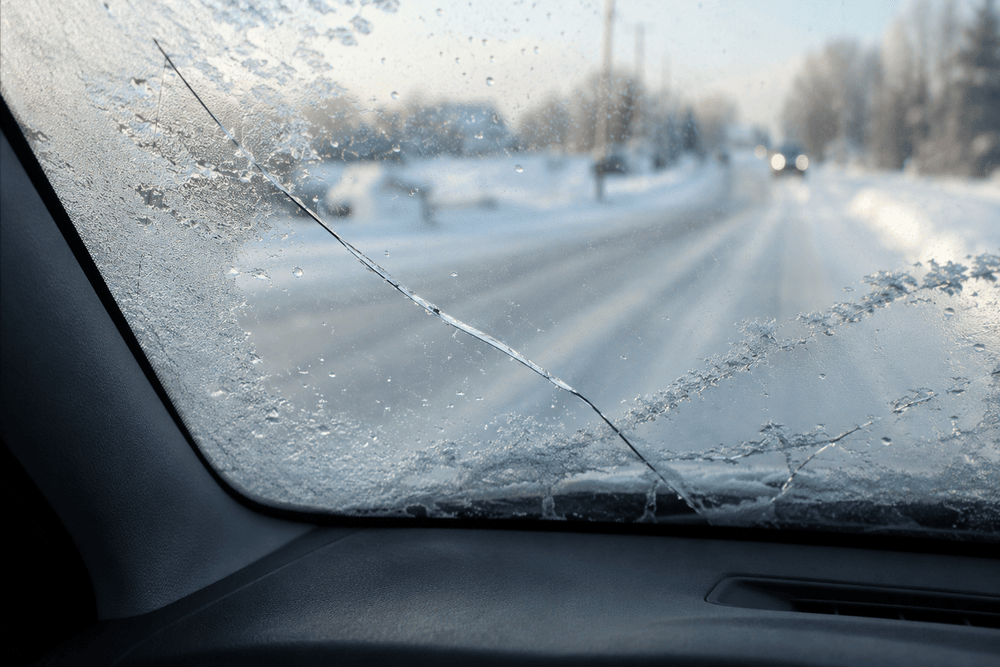
Winter Driving Makes It Harder to Fix Cracked Windshield
In addition to causing glass to shrink and slowing the curing of adhesives, cold temperatures may cause tiny windshield fractures to become significant structural damage overnight. Both professional replacements and do-it-yourself repairs become more difficult and necessary throughout the winter. Your greatest protection is to take quick action before the temperature drops. You’ve been ignoring that little chip since fall? Winter has a way of making it an issue you are unable to avoid. When temperatures drop, a hairline fracture may spread over your whole windshield overnight, and the circumstances of the season make mending it much more difficult than a straightforward summer repair.
Get An Auto Glass Replacement Quote Now 866.278.7417

Windshield Replacement & Repair
Our competitors push you into going to their shop to get your glass fixed-making it cheaper for them. We make it easier for YOU to get back on the road by offering free mobile repairs at your home or work. With our free mobile services servicing the entire Orange County & Los Angeles area, we can often handle your windscreen replacement the same day! So the next time you need a windshield replacement, give us a call.
Talk to a Windshield Replacement Specialist Now 866.278.7417

Calibration
Calibration is the process of returning a vehicle’s ADAS to OEM specifications. Calibration is necessary after a new glass installation, particularly a windshield with a camera mounted to it, to ensure that the ADAS features continue to function properly despite having been moved during installation. If a car’s ADAS is not properly calibrated, the system may not function safely. A misaligned camera could jeopardize the functionality of the system and lead to dangerous driving or accidents, so it is crucial that the cameras are aligned perfectly, which is what windshield calibration ensures.
Talk to a Calibration Specialist Now 866.278.7417

Fleet Auto Glass Repair
We provide expert auto glass repair and windshield replacement services for commercial fleets of all sizes. We are experienced with all manufacturers and machine types of domestic or foreign cars, trucks, vans, or commercial vehicles, including heavy equipment. Our same day mobile auto glass and windshield repair service will enable you to get back on the road faster and start saving you time and money instantly. Give us a call today! We are here to help!
Talk to a Fleet Auto Glass Specialist Now 866.278.7417
How Small Cracks Become Serious Issues in Cold Temperatures
This isn’t a defect in your windshield; it’s physics. The issue is that existing fractures undergo stress over their whole length when glass contracts quickly in cold conditions.
The glass is further fractured by this tension, which often spreads the break to previously intact parts. This is exacerbated by water. When the temperature drops, rain, sleet, or melting snow may seep into a crevice during the day and freeze overnight.
While you sleep, the expansion silently splits the glass from inside like a wedge within a crack. Because of this, a chip that seemed insignificant in October may be very different by December. The harm was not caused by the cold, but it was hastened.
Why Winter Makes Windshield Repairs More Difficult: Repairing a windshield fracture requires precise calibration and is highly dependent on climatic conditions. It’s not simply about filling a gap. Almost all of them are disrupted by winter.
The majority of windshield repair resins need ambient temperatures between 50°F (10°C) and 95°F (35°C) in order to fully cure.
The curing process drastically slows down below that point because the resin becomes too viscous to completely fill the crack. A bond created in freezing conditions is considerably more likely to collapse, leaving the fracture exposed to continued spreading, even if the repair seems acceptable at first.
While mobile repair services and do-it-yourself kits are far less dependable in cold weather, professional repair businesses can handle this in climate-controlled settings. The findings may not stand up if a technician is operating outdoors in very cold weather.
Before beginning any repairs, the glass must be totally dry since moisture and windshield glue are inherently incompatible. The glue will not adhere to the glass if there is any water within the crack from rain, dew, snowmelt, or even condensation. It might be difficult to get a windshield completely dry in the winter.
To fix this, technicians usually use UV lights or give the area additional time to dry, but when the repair is being hampered by ambient moisture and chilly air, the procedure takes longer and needs more accuracy.
Is It Possible to Get Your Windshield Repaired in the Winter
Yes, but it needs more attention, and sometimes the choice is to replace it entirely rather than just fix it. The size of the crack, where it is on the windshield, and the extent of the damage determine whether it can be fixed rather than replaced.
Generally speaking, cracks less than three inches and chips smaller than a quarter should be repaired. Larger damage or damage that penetrates the glass’s inner layer usually necessitates a complete replacement.
Winter has an impact on how easily the procedure proceeds, but it doesn’t alter these conditions. Remember this: If at all feasible, visit a store that is climate-controlled.
Although mobile services are practical, the quality of repairs is compromised by cold weather. Technicians can get the steady temperature they need for a good bond in a shop setting.
Before the appointment, let your automobile gradually warm up. Don’t run the defroster at maximum speed on a windshield that is really cold. To raise the glass temperature without causing thermal shock, let the automobile warm up gradually.
Avoid using very hot or boiling water to remove ice off your windshield. This is a frequent error that completely breaks windshields, particularly if there is already a fracture.
Take immediate action. In winter, a crack has a greater chance of spreading every day it remains untreated. Over time, the damage is exacerbated by vehicle vibration, wetness, and cold cycles.
Do you have a Question?
Get An Auto Glass Replacement Quote Now 866.278.7417
Winter Windshield Replacement
A complete windshield replacement is required when a repair isn’t feasible, and winter adds a few factors to the procedure.
Before the automobile is safe to drive after a new windshield is put, the glue used to attach it to the vehicle chassis must cure. Depending on the substance being used and the surrounding temperature, this curing time, often known as the “safe drive-away time,” might range from one hour to several hours.
You may have to wait longer until the car is structurally sound since curing slows down in cold weather. The majority of respectable auto glass stores take this into consideration and utilize adhesives designed for colder climates, but it’s important to expressly inquire about the curing period before you go.
The seal may be compromised if you drive too soon after installation, particularly on uneven terrain. Another thing to be aware of is that if your car has Advanced Driver Assistance Systems (ADAS), including automated emergency braking or lane departure alerts, these sensors are often installed close to the windshield and need to be recalibrated after replacement. Regardless of the season, this procedure is necessary for the systems to operate properly.
How to Prevent Damage to Your Windshield
Repair is much more expensive than prevention. Winter windshield damage may be considerably decreased by adopting a following habits:
To reduce exposure to cold temperatures and ice, park in a garage or other covered location whenever feasible. To prevent ice accumulation and the need to scrape violently, use a frost cloth or windshield cover overnight.
Before winter arrives, replace any worn-out wiper blades because defective blades might eventually cut the glass, producing weak spots. Avoid using credit cards, sharp items, or inappropriate instruments that might chip or damage the glass, and have an appropriate ice scraper in the vehicle.
Even in mild fall, deal with chips right away. Managing a widening fracture in January is much more difficult than making a little repair before the first frost.
Don’t Wait Until Spring to Fix a Cracked Windshield: Waiting until warmer weather seems reasonable—until a cold snap makes that plan costly—is a bad idea. When winter arrives, a chip that costs $50 to $100 to fix might cost $300 to $600 to replace.
It is a structural element of your car that supports appropriate airbag deployment and helps maintain roof integrity in the event of a rollover. A damaged windshield is not only an aesthetic problem; it is a safety concern.
Make an appointment for a professional evaluation right away if you already have windshield damage and are approaching winter. You will have more alternatives and a higher likelihood of a successful repair if a competent expert assesses the fracture as soon as possible.
Common Questions
In cold weather, is it possible to fix a broken windshield? Yes, but only to a certain extent. For repair resin to properly cure, temperatures must be between 50°F and 95°F.
Bonding is weakened below that range. While outdoor and mobile repairs in cold temperatures are far less dependable, professional businesses with climate-controlled settings may often still make repairs.
Why did the fracture in my windshield widen overnight during the winter? When water penetrates into an already-existing fracture, it freezes overnight, causing the gap to widen by around 9%.
Additionally, the glass contracts and expands in response to temperature changes, putting stress on the fracture from both sides. This explains why a single cold night may cause tiny chips to grow into big fissures.
After a windshield repair, how long must I wait to get behind the wheel? Depending on the glue used and the surrounding temperature, safe drive-away periods might vary from one to several hours. In the winter, anticipate a lengthier wait since cold weather inhibits the drying process. Before you leave the shop, ask the car glass expert how long it will take.
In the winter, is it safe to drive with a cracked windshield? In any season, it is dangerous to drive with a cracked windshield, but the risk is increased in the winter. A windshield with structural flaws provides less protection in a crash, and cold conditions accelerate the propagation of cracks. Get an expert to evaluate the damage as soon as you can.
Will winter windshield replacement or repair be covered by my auto insurance? Windshield replacement or repair is often covered by comprehensive vehicle insurance coverage with little or no deductible. Before making an appointment for a repair, get in touch with your insurance company directly to find out what is covered, since coverage varies by insurer and policy.
Cracked Windshield Gets Worse Quickly in Cold Weather
Because of thermal contraction and ice growth, existing windshield fractures expand rapidly in cold weather. While a complete windshield replacement costs $200–$500 or more, a minor chip that is quickly fixed may cost as low as $50–$150. It’s not a good idea to wait in cold weather if your windshield is cracked.
A little chip in your windshield may seem like a simple annoyance that you can put off or overlook. However, that little fissure doesn’t remain small for very long as the temperature drops. Windshield damage spreads quickly in cold weather, making a $100 repair many times more expensive than a complete replacement.
Whether you’re dealing with a new chip or a crack that has been since summer, this piece discusses why cold weather speeds up windshield deterioration, what happens if you don’t treat a crack, and how to take immediate action.
Glass expands and contracts in response to temperature fluctuations, which is why windshield cracks spread in cold weather. The interior and outer sides of the glass concurrently undergo differing rates of thermal expansion when you blast hot air from your defroster while the exterior of your windshield is cold.
Any weak spot that already exists, such as a chip or fracture, is immediately affected by that stress and is forced to enlarge. Water is another issue. Before nighttime temperatures fall below freezing, rainwater, dew, or condensation may seep into a fissure.
Water expands by around 9% as it turns to ice, creating outward pressure within the fracture. A quarter-sized chip may grow into a crack that runs halfway across your windshield before morning.
The defroster issue that most drivers overlook: One of the most frequent—and most harmful—things you can do to a cracked windshield is to turn on your defroster on a chilly morning.
Abrupt thermal stress is caused by the quick temperature shift from cold glass to warm air. For this reason, fissures that seemed stable in the autumn sometimes widen significantly in the winter. If your windshield is already damaged, turn the vents away from the glass as the vehicle warms up gradually.
Do you have a Question?
Get An Auto Glass Replacement Quote Now 866.278.7417
Your Crack Needs to Be Replaced or Repaired
Most car glass specialists generally follow this rule: Resin injection may usually be used to fix chips less than a quarter.
Depending on the location and depth, cracks less than six inches could be fixable. Cracks in the driver’s line of sight or along the edge of the windshield often need full replacement since they impair eyesight and structural integrity.
In cold temperatures, edge fractures are especially troublesome. Within a day or two, thermal stress may cause a fracture that begins at the edge of the windshield to expand to the whole width of the glass.
In cold weather, how much does windshield repair truly cost? The average cost of chip repair ranges from $50 to $150, depending on the repair business and your area.
For most automobiles, a complete windshield replacement costs between $200 and $500. However, since camera recalibration is required, premium cars or cars with integrated advanced driver assistance systems (ADAS) may cost up to $1,000.
Windshield repair is often included under comprehensive coverage in vehicle insurance plans, sometimes with no deductible. Before making an out-of-pocket payment, it’s advisable to verify your policy since your insurance could pay for the whole cost of a chip repair.
What Happens If You Don’t Fix a Cracked Windshield throughout the Winter: Postponing a repair throughout the winter months has serious repercussions that go beyond appearances.
Structural compromise: The structural stiffness of your car is influenced by the windshield. An undamaged windshield helps save the roof from collapsing in a rollover collision. A windshield with a crack is weaker and offers less protection.
Problems with airbag deployment: The passenger-side airbag bounces off the windshield to deploy. In the event of an accident, the glass may not properly guide the airbag if it is structurally weakened.
Legal risk: In the majority of U.S. states, driving with a significantly broken or obscured windshield is prohibited. State-specific penalties differ, but the greater danger is a vehicle inspection failure or increased culpability in an accident.
Risks to visibility: Light is scattered by cracks, producing glare at dawn and sunset. Reduced vision is a major safety risk during the winter months when the sun is lower in the sky and cars must navigate slippery roadways.
Slow the Spread of Cracks Before Being Repaired
A few steps will prevent the spread if you are unable to have your windshield fixed right away: Steer clear of abrupt temperature fluctuations and avoid defrosting your windshield with hot water. Avoid aiming the defroster straight at the glass. Allow your automobile to gradually warm up.
Use clear tape: You may temporarily keep moisture and debris out of a chip by covering it with automotive-grade transparent tape. Although it buys time, this is not a long-term solution. Parking in a garage or other protected space minimizes exposure to below-freezing temperatures, which prevents retained moisture from expanding throughout the night.
Steer clear of vehicle washes since the temperature swings and high-pressure water may rapidly exacerbate a fracture. These procedures don’t take the place of a professional repair, but they do lessen the likelihood that a minor issue may worsen before you can see a shop.
How Professional Windshield Repair Operates in Cold Weather: Although it is common, professional windshield repair in cold weather does take some planning. Since moisture within the fracture might hinder the resin’s proper bonding, most repair companies will carefully clean and dry the damaged region before injecting the glue.
Many stores do repairs inside or use heat lamps to raise the temperature of the glass before beginning if the temperature is very low (below roughly 40°F). When the glass is correctly prepared, the UV-cured resin used in chip repairs solidifies under ultraviolet light, which works independent of the outside temperature.
The actual repair typically takes 30 to 60 minutes. Aftercare entails keeping the area dry until the resin completely dries and avoiding vehicle washes for a full day.
Take Action Before the Crack Makes Your Decision
There is a clear pattern to a cracked windshield in cold weather: little issues that are disregarded grow into major issues. Thermal stress, moisture expansion, and freezing temperatures all drive a fracture lower and outward, so the laws of physics are not on your favor.
A complete replacement is far more expensive than a chip repair. Even more important is the time difference between scheduling an appointment now and after the crack has doubled.
Mobile repair services may visit your home or place of business, and the majority of car glass firms provide same-day or next-day appointments. Don’t let a chilly morning dictate your choice.
Frequently Asked Questions: Is it possible to fix a broken windshield in very cold weather? Indeed. In cold weather, the majority of competent car glass companies can fix tiny cracks and chips by doing the work inside or by first warming the glass surface using heat lamps. In winter circumstances, it is customary to eliminate moisture from the crack before applying resin.
In cold temperatures, how quickly can a crack in the windshield spread? In cold weather, a fracture may widen in a matter of hours, especially overnight when trapped moisture freezes and expands within the gap. Cracks that are in the driver’s line of sight or close to the windshield’s edge are particularly likely to spread quickly.
Does winter windshield repair get covered by auto insurance? Windshield chip repair is often covered by comprehensive vehicle insurance coverage with no deductible, whereas complete replacement is covered with a normal deductible. Check your insurance or give your insurer a call before making an out-of-pocket payment since coverage varies by insurer and state.
In the winter, is it safe to drive with a cracked windshield? There is little immediate danger from a small chip that is out of the driver’s line of sight. However, sight and structural safety are compromised when a crack extends more than 6 inches, spans the driver’s field of vision, or runs down the edge of the windshield. In most U.S. jurisdictions, driving with a crack may also be prohibited.
What distinguishes a chip from a crack, and is it important for repair? A chip is a tiny impact point where glass has shattered, usually the size of a quarter. A line that extends from that spot or from another hit is called a crack. Repairing chips is often simpler and less expensive. Depending on their length and position, cracks may necessitate replacing the whole windshield.
Mobile Safe Auto Glass
14241 E Firestone blvd suite 400,
La Mirada, CA 90638
Phone: (562) 608-1154
Toll Free: 1 866 278 7417
Mail: sales@mobilesafeautoglass.com
Get a FREE QUOTE today! You can get a free quote and schedule 24/7 using this free quote wizard.
Mon – Fri 8am – 5pm
Saturday 8am – 1pm
Sunday Closed