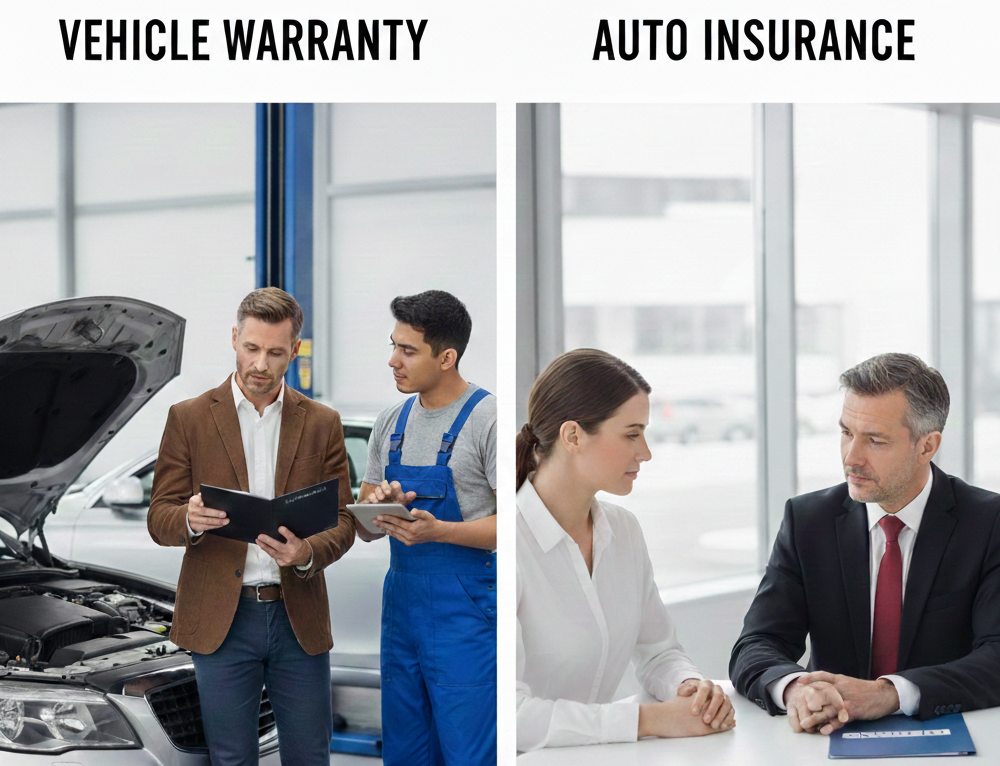
Warranty Coverage vs Insurance What’s the Real Difference
You recently purchased a brand-new vehicle, a stylish laptop, or possibly an expensive refrigerator. You’re at the checkout, excitement buzzing, when the salesperson asks that inevitable question: “Would you like to add the extended warranty? Or perhaps a new rider for your coverage is being proposed by your insurance agent. Suddenly, the lines blur. The majority of us mistakenly believe that “insurance” and “warranty” have the same function, which is to shield our money in the event that something breaks. They both provide a safety net, but they catch quite different kinds of falls. If you confuse the two, you risk paying too much for unnecessary insurance or, worse, not having any at all in the event of a calamity.
Get An Auto Glass Replacement Quote Now 866.278.7417

Windshield Replacement & Repair
Our competitors push you into going to their shop to get your glass fixed-making it cheaper for them. We make it easier for YOU to get back on the road by offering free mobile repairs at your home or work. With our free mobile services servicing the entire Orange County & Los Angeles area, we can often handle your windscreen replacement the same day! So the next time you need a windshield replacement, give us a call.
Talk to a Windshield Replacement Specialist Now 866.278.7417

Calibration
Calibration is the process of returning a vehicle’s ADAS to OEM specifications. Calibration is necessary after a new glass installation, particularly a windshield with a camera mounted to it, to ensure that the ADAS features continue to function properly despite having been moved during installation. If a car’s ADAS is not properly calibrated, the system may not function safely. A misaligned camera could jeopardize the functionality of the system and lead to dangerous driving or accidents, so it is crucial that the cameras are aligned perfectly, which is what windshield calibration ensures.
Talk to a Calibration Specialist Now 866.278.7417
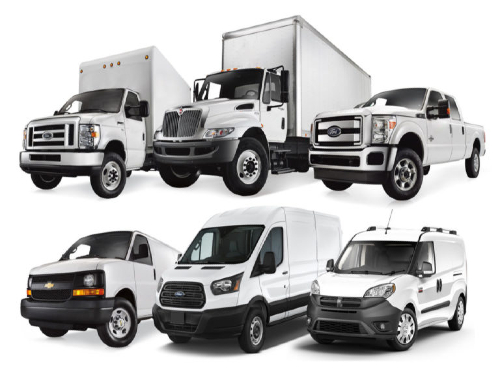
Fleet Auto Glass Repair
We provide expert auto glass repair and windshield replacement services for commercial fleets of all sizes. We are experienced with all manufacturers and machine types of domestic or foreign cars, trucks, vans, or commercial vehicles, including heavy equipment. Our same day mobile auto glass and windshield repair service will enable you to get back on the road faster and start saving you time and money instantly. Give us a call today! We are here to help!
Talk to a Fleet Auto Glass Specialist Now 866.278.7417
What’s Included in Your Coverage
Only the internal health of the product is covered by warranties. They address “intrinsic” failures, which occur when a component fails too soon or the item was poorly constructed.
For instance, a warranty issue arises if your new car’s transmission breaks down after 10,000 miles. The guarantee begins to apply if your dishwasher’s engine burns out within three months of purchase.
Warranty Types: Implied Warranty: A product must function as intended when sold in many jurisdictions due to consumer protection legislation. There is no formal contract for this.
Express Warranty: This is the written guarantee included with your purchase, outlining exactly what is covered and for how long (e.g., a “3-year limited warranty”).
Extended Warranty: For an extra cost, this extends the manufacturer’s coverage and is frequently offered as a service agreement.
Important Takeaway: Manufacturer errors are covered by warranties, not your own.
Insurance: Insurance is a strategy for risk management that shields you against unanticipated, outside events. Insurance concentrates on unintentional damage and natural disasters, whereas a warranty concentrates on the product’s quality.
The Scope of Coverage
“Extrinsic” incidents are covered by insurance. These are events that occur with the product from the external environment. This includes theft, loss, fire, flood, and accidental damage (like dropping your phone or crashing your car).
A warranty won’t help you if you back your car into a pole, but auto insurance will. Your homeowner’s insurance (or a certain rider) is the right place to file a claim if a power surge fries your home entertainment system.
Premiums and Deductibles: Insurance almost always operates on a premium system (monthly or yearly payments) and usually involves a deductible. This implies that you have to cover the first portion of the damage (say, $500) before the insurance provider pays the remaining sum. Warranties, generally, do not have deductibles for standard claims.
Important Takeaway: Accidents and bad luck are covered by insurance, not poor manufacture.
Where They Overlap: “Service contracts” or “protection plans” that combine aspects of both goods are frequently the cause of this misconception.
For example, although AppleCare+ for iPhones is essentially an extended warranty, it also covers incidental damage (such as a broken screen), which is often covered by insurance. In a similar vein, some home warranties cover appliance wear and tear (warranty territory), but they are offered by outside businesses as a monthly subscription service (insurance structure).
When evaluating these hybrid plans, it is crucial to read the fine print. Does the “protection plan” cover water damage? Is theft covered? If not, it is more similar to a warranty. It functions more like insurance if it does.
Do you have a Question?
Get An Auto Glass Replacement Quote Now 866.278.7417
Chart of Comparisons
To facilitate decision-making, the following is an overview of the key differences:
A benefit of warranty insurance
The primary goal is to guarantee that the product’s quality protects against external threats.
Coverage
Mechanical failure, flaws, and poor craftsmanship
Accidents, weather, theft, fire, and loss
The cost
Extended options are frequently offered at an extra cost.
Monthly or yearly premiums
Deductible
Usually, none
Almost always, yes.
Insurance provider, manufacturer, or retailer
Life Expectancy Fixed life expectancy, such as one to five years, provided that premiums are paid consistently
Which Real-World Scenarios Are Necessary: To determine which coverage prevails, let’s apply this reasoning to three such situations.
First Scenario: The Leak in the Washing Machine
The Scene When you walk into your laundry room, you see a puddle. The internal pump of your two-year-old washing machine has failed.
This is a warranty issue, which is the solution. A mechanical flaw caused the equipment to malfunction. The repair should be free if you have an extended service plan or are inside the manufacturer’s window. Homeowner’s insurance would only be helpful if the water leak caused damage to your floors.
The Laptop Theft: The scenario: While conducting errands, you leave your laptop in your car. The window is broken, and someone takes it.
This is an insurance issue, is the response. A manufacturer’s warranty does not cover theft. You would submit a claim through your renters’ or auto insurance.
The Fender Bender: Situation. You rear-end the car in front of you while operating a brand-new vehicle. You have a crushed bumper.
The answer is that this is an insurance problem. Collision damage is not covered by the warranty, even if the vehicle is only a day old.
Choosing the Correct Financial Option
Do a brief risk assessment before purchasing an extended warranty or a particular insurance policy.
Examine the credit card you used to purchase the item first. The manufacturer’s guarantee on many high-end credit cards is immediately doubled (up to a year) simply by using the card. The coverage for which you are being asked to pay may already be in place.
Second, weigh the premium against the replacement cost. After a year, it might not make financial sense to pay $15 a month to cover a $200 pair of headphones. Nonetheless, it makes sense to spend the same sum to cover a $2,000 laptop against theft and unintentional drops.
Lastly, examine the product’s track record of dependability. An extended warranty gives you peace of mind if you are purchasing a car model that has a reputation for having gearbox problems. You might be better off using the warranty money as a “self-insurance” fund in a high-yield savings account if the model is renowned for being impenetrable.
Taking Care of Your Assets: The decision between warranty and insurance ultimately boils down to a straightforward question: are you more worried about life’s unforeseen catastrophes or something going wrong with the goods themselves?
In order to guarantee that the item you purchased behaves as intended, warranties are intended to shield you from flaws, malfunctions, or “lemons” in the goods. Insurance, on the other hand, is your safety net against accidents, theft, or damage caused by forces outside your control—it protects you from life impacting the things you value.
You may choose more wisely what to protect and how much to invest if you know the precise function of each form of coverage. This information helps you avoid under-insuring valuable goods that could expose you to financial risk in the event of an emergency and over-insuring low-cost objects that are unlikely to fail.
You’ll know exactly what you’re paying for, the risks you’re reducing, and whether that coverage is actually worth the money the next time you’re at the register making a purchase, checking your auto insurance, or renewing a warranty. By recognizing these differences, you may effectively manage resources and risk, providing you with financial security without needless expenditure.
Comprehending Value and Claims
After purchasing a home, buying a car is probably the second-biggest purchase you will ever make. It stands for independence, practicality, and a substantial financial outlay. However, a lot of drivers neglect to protect this asset. We put the insurance card in the glovebox, sign the papers, and hope we never have to look at it again.
It can be dangerous to have a “set it and forget it” mentality. When the unexpected occurs—a theft, a severe hailstorm, or a fender crash in a parking lot—the quality of your coverage and your comprehension of the claims procedure frequently determine whether the incident is a small annoyance or a financial catastrophe.
Complying with the legal requirements to drive is not the only aspect of true vehicle protection. It is about protecting your asset’s long-term value and making sure you have enough money. By understanding the nuances of your policy and how claims work, you transform your insurance from a monthly bill into a strategic financial tool.
Unpacking the Protection Layers: Terminology related to auto insurance may seem alien. But the first step to making sure you won’t have to spend out of pocket is understanding the differences between the several “buckets” of coverage.
The Foundation’s Liability: Usually, this is the coverage that the law requires. If you are at fault in an accident, liability coverage pays for the other driver’s medical costs and motor repairs. It prevents a lawsuit from seizing your money and future earnings. But it doesn’t make your car better.
Safeguarding Your Sheet Metal
In the event that your car collides with another vehicle or an object, such as a tree or fence, collision coverage will cover the cost of repairs or replacement. This is crucial for newer vehicles, as repairs may easily cost thousands of dollars. If you have a loan or lease on your vehicle, your lender will probably require details.
Comprehensive: Damage does not always occur when driving. Non-collision incidents are handled via comprehensive coverage. This covers weather-related damage like hail or floods, theft, vandalism, fire, and falling objects like tree limbs. If you live in an area prone to severe weather or high theft rates, this coverage is non-negotiable.
GAP Insurance: As soon as a new car leaves the lot, its value decreases. Your regular insurance will only cover the car’s current market value if it is totaled in an accident. If your loan balance is greater than the car’s worth, you will be responsible for the difference. This disparity is covered by Guaranteed Asset Protection (GAP) insurance, which makes sure you aren’t repaying a loan on a car you can’t drive.
Getting Around the Claims Process Easily: There is a lot of uncertainty and adrenaline in the immediate aftermath of an accident. You can maintain composure and guarantee a more seamless conclusion by being aware of how the claims procedure operates in advance.
Quick Documentation: You need proof before you even give your insurance company a call. Take pictures of the incident, the surrounding area, and the damage to all involved vehicles if it is safe to do so. If the police are involved, get the report number and the other driver’s information. The foundation of your claim is this documentation.
Submitting the claim: Get in touch with your insurance company right away. You may now upload images and submit a claim straight from your phone using applications from the majority of major carriers. Be truthful and truthful about what transpired. Inaccuracies, even accidental ones, can delay the process or lead to a denial.
The Adjuster’s Role: To estimate the cost of repairs, an insurance adjuster will assess the damage. Sometimes they will come in person, and other times they might rely on online quotes from authorized body shops.
Pro Tip: Generally speaking, you are free to select the body shop that fixes your car. If you want to make sure Original Equipment Manufacturer (OEM) parts are used instead of aftermarket substitutes, you might insist on a repair facility that you trust, even though insurance may suggest “preferred” shops.
Do you have a Question?
Get An Auto Glass Replacement Quote Now 866.278.7417
The Link Between Protection and Resale Value
Although we frequently consider insurance to be something that fixes a broken automobile, it is actually quite important for preserving the value of your car over time.
When you wish to sell or trade in your vehicle, its history is crucial. A car with a spotless record is the best option, but a car with a proven track record of excellent repairs comes in second. Your automobile will more successfully recover to its pre-accident state if you have complete protection that enables premium repairs using original equipment manufacturer parts.
Claims of Diminished Value: Your car may still be worth less than a comparable vehicle that has never been in an accident even if it has been severely damaged and repaired. This discrepancy is known as “diminished value.” In certain states and circumstances, you can submit a claim to be compensated for this loss of value, guaranteeing that the monetary value of your object is preserved even after the metal is coated and straightened.
Understanding the Difference Between Insurance and Maintenance: The idea that “full coverage” implies the insurance provider takes care of everything is a prevalent fallacy. Making a distinction between wear and tear and accidents is crucial.
Unexpected, unintentional loss is covered by insurance. Oil changes, worn-out tires, and mechanical malfunctions are not covered. That is a maintenance task. On the other hand, extended warranties and “Mechanical Breakdown Insurance” (MBI) are distinct products that can cover engine or transmission failures.
Your insurance claims may potentially be at risk if you neglect maintenance. An investigator may refuse coverage for the following damage if they find that you disregarded bald tires or malfunctioning brakes that caused the accident. Keeping your car in good running order is a prerequisite for your protection policy to work effectively.
Common Questions: Is renting a car while my own is being fixed covered by my insurance? Not automatically. Typically, rental reimbursement is an optional extra. If your automobile is in the shop for a week or two, it can save you hundreds of dollars and is frequently fairly inexpensive (a few dollars a month). Visit the policy declarations page to see if you have this coverage.
How does a deductible impact my value, and what is it? The deductible is the amount you have to pay out of pocket before your insurance starts to work. Your monthly premium often decreases with a bigger deductible (e.g., $1,000) and increases with a smaller deductible (e.g., $250). Raising your deductible is a wise long-term financial strategy if you have an emergency fund and can absorb a $1,000 hit.
Will my prices always increase if I file a claim? Not always. Drivers with a spotless record can receive “accident forgiveness” from many insurers. Furthermore, comprehensive claims (like theft or hail damage) often affect your premiums less than at-fault collision claims. On the other hand, numerous claims in a little amount of time usually indicate high risk to insurers and result in premium rises.
Is it always advisable to have the least expensive insurance? Seldom. Cheap insurance frequently results in poor customer service during a claim or lower liability limits, leaving you vulnerable to lawsuits. The payout and assistance you receive when you truly need insurance are just as valuable as the monthly premium.
Protect Your Investment Right Now
Your car is an important aspect of your financial life and a substantial investment that needs to be carefully protected; it is more than just a means of transportation. You are firmly in control of your money and your driving experience when you are aware of the entire extent of your coverage, know how to handle claims effectively, and understand how these aspects affect the long-term value of your vehicle.
With the correct coverage, unforeseen circumstances won’t throw your budget off course or cause you needless stress. This week, spend some time going over your policy in detail. Does gap coverage protect you if your car is totaled before it is paid off?
Is the amount of your deductible appropriate for your present finances and risk tolerance? Do you have rental reimbursement in case your automobile needs repairs? It is much simpler and less stressful to consider these issues now rather than attempting to do so following an accident, breakdown, or roadside emergency.
A proactive review not only ensures you’re adequately protected but also gives you peace of mind, knowing that your vehicle—and your financial well-being—are safeguarded no matter what happens on the road.
Mobile Safe Auto Glass
14241 E Firestone blvd suite 400,
La Mirada, CA 90638
Phone: (562) 608-1154
Toll Free: 1 866 278 7417
Mail: sales@mobilesafeautoglass.com
Get a FREE QUOTE today! You can get a free quote and schedule 24/7 using this free quote wizard.
Mon – Fri 8am – 5pm
Saturday 8am – 1pm
Sunday Closed