Shop Options Affect Cracked Windshield Repair
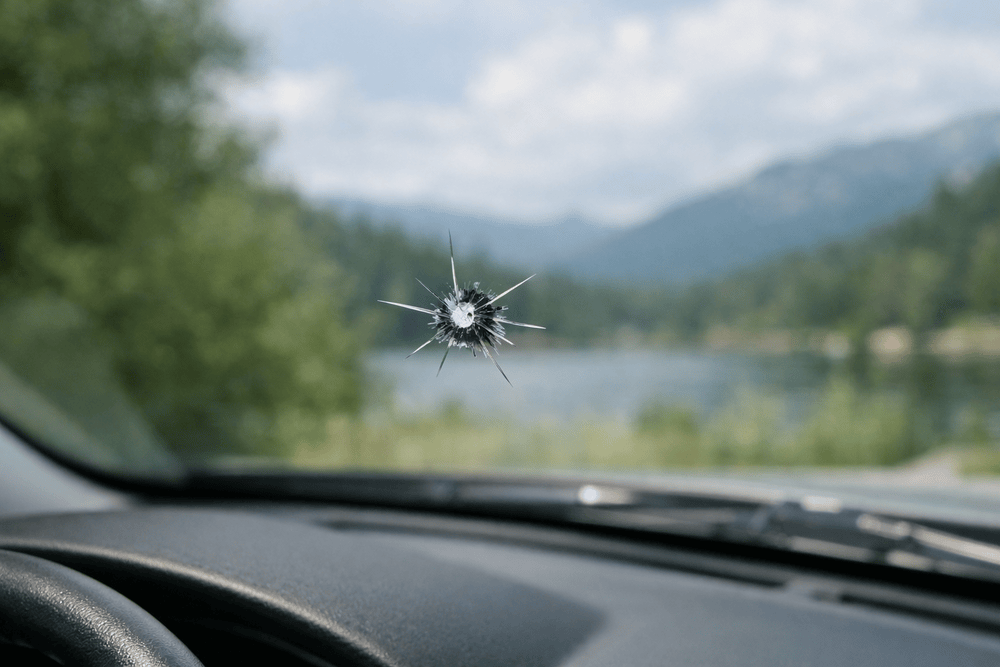
On the roadway, it begins with a jarring thwack. A tiny, star-shaped chip appears in your field of vision when your eyes dart to the source of the noise. That small irritation grows into a spiderweb crack across your dashboard in a matter of days, or even hours if the temperature varies significantly. You must now make a choice. Do you give the number on the billboard you passed a call? Is the dealership a place you visit? Alternatively, do you look for a mobile service that comes to your workplace? Many drivers believe that glass is transparent and glue is adhesive, and they see windshield repair as a commodity. Regretfully, this isn’t true.
Get An Auto Glass Replacement Quote Now 866.278.7417

Windshield Replacement & Repair
Our competitors push you into going to their shop to get your glass fixed-making it cheaper for them. We make it easier for YOU to get back on the road by offering free mobile repairs at your home or work. With our free mobile services servicing the entire Orange County & Los Angeles area, we can often handle your windscreen replacement the same day! So the next time you need a windshield replacement, give us a call.
Talk to a Windshield Replacement Specialist Now 866.278.7417

Calibration
Calibration is the process of returning a vehicle’s ADAS to OEM specifications. Calibration is necessary after a new glass installation, particularly a windshield with a camera mounted to it, to ensure that the ADAS features continue to function properly despite having been moved during installation. If a car’s ADAS is not properly calibrated, the system may not function safely. A misaligned camera could jeopardize the functionality of the system and lead to dangerous driving or accidents, so it is crucial that the cameras are aligned perfectly, which is what windshield calibration ensures.
Talk to a Calibration Specialist Now 866.278.7417

Fleet Auto Glass Repair
We provide expert auto glass repair and windshield replacement services for commercial fleets of all sizes. We are experienced with all manufacturers and machine types of domestic or foreign cars, trucks, vans, or commercial vehicles, including heavy equipment. Our same day mobile auto glass and windshield repair service will enable you to get back on the road faster and start saving you time and money instantly. Give us a call today! We are here to help!
Talk to a Fleet Auto Glass Specialist Now 866.278.7417
The Three Principal Rivals
There are typically three types of service providers to pick from when you need auto glass work done. Each functions differently, which affects how your repair turns out in the end.
The Dealership: For new car owners, visiting the dealership is frequently their first impulse.
The pros: They are quite knowledgeable about your particular make and model. Original Equipment Manufacturer (OEM) glass, which ensures a flawless fit and the same clarity as factory glass, is most likely what they will use.
Cons: It’s typically the priciest choice. Additionally, many dealerships actually contract out glass work to outside experts rather than handling it internally, so you could have to pay more for a service that you could have scheduled directly elsewhere.
Big Auto Glass Chains: These are the major brands that have fleets of vans and catchy jingles.
The advantages include their advanced equipment and standardized training. Their prices are frequently competitive since they purchase goods in large quantities. Additionally, they have strong ties to insurance providers, which facilitates the paperwork procedure.
The drawbacks include the possibility of hurried work due to high volume. In comparison to a smaller store, you are just a number in a line, and the individualized attention may be lacking.
Independent Local Stores
These are your neighborhood mom-and-pop car glass shops.
Advantages: Direct communication with the owner or the main technician is frequently possible. They are frequently very driven to provide high-quality work since they depend on their local reputation.
The drawbacks: Capabilities differ greatly. While some are top-notch, others might not have the costly tools required to calibrate contemporary safety systems. You must thoroughly screen them.
Mobile Service vs. In-Shop Repair: The setting in which your repair takes place has a significant impact. Most retailers offer mobile service, which entails sending a vehicle to your home or place of business. Even if it’s convenient, it adds elements that could affect the repair’s quality.
Weather and Resin: To repair a windshield, a specific resin is injected into the chip or crack. For the glass to regain its structural integrity, this resin must cure completely. High humidity, precipitation, or extremely high or low temperatures can hinder this curing process.
A controlled shop environment guarantees the ideal humidity and temperature for the resin to bond. The technician may find it difficult to maintain the area dry enough for a long-term remedy if you select mobile service on a wet day.
Debris and Contamination: To replace a windshield, the old seal must be removed and a fresh urethane adhesive applied. On a windy day, dust, pollen, or leaves may blow onto the wet adhesive if this is done outside. This contamination may cause the seal to develop weak points, which could eventually result in water leaks or wind noise.
Do you have a Question?
Get An Auto Glass Replacement Quote Now 866.278.7417
The Unspoken Technical Problem
Your windshield is probably constructed of more than just glass if your car was manufactured within the last several years. It serves as a lens for the Advanced Driver Assistance Systems (ADAS). Lane departure warnings, automated emergency braking, and adaptive cruise control are all controlled by these cameras and sensors.
These cameras need to be calibrated after a windshield replacement to make sure they are viewing the precise location on the road. Your car may brake suddenly or fail to warn you of a hazard if a camera is even a millimeter off.
How Shop Selection Is Important in This Situation: Not every store has the technology necessary to carry out ADAS calibration. To maintain a low price, budget stores may completely omit this process.
While mobile personnel can perform dynamic calibration, which involves driving the vehicle to reset sensors, they might not have the necessary equipment for static calibration, which involves using targets in a controlled environment and is necessary for particular cars.
In addition to having the required targets and software to verify the safety systems are operating, professional centers typically include calibration in the price.
Certification and Safety Standards: Contrary to popular belief, the vehicle glass business is not subject to as many regulations. Glass technicians can be anyone with a van and a set of tools in many regions. Your choice of store is so crucial for your safety.
Look for establishments that employ technicians certified by the Auto Glass Safety Council (AGSC). The Auto Glass Replacement Safety Standard (AGRSS) is followed by a technician who has earned AGSC certification.
This guarantees that they understand how to remove the old glass, prepare the frame to avoid rust, and apply the glue to make the automobile safe to drive. You run the danger of employing an untrained technician who might take shortcuts if you only consider price when selecting a shop.
Common quick cuts include not priming the metal frame, which results in rust forming invisibly beneath the glass; using cheap urethane that takes days to dry; and not using gloves (hand oils inhibit adherence).
Guarantee and Upcoming Assistance
Lastly, what occurs in the event of a problem depends on your shop option. Reputable stores should provide a warranty on their work, whether they are independent local businesses or part of a chain. This typically includes stress cracks (cracks that develop without impact as a result of incorrect installation), air leaks, and water leaks.
You won’t have any options if your windshield leaks during the next downpour if you hire a “tailgate slammer”—an unlicensed mobile mechanic without a physical address. Beyond the first repair, reputable stores offer peace of mind.
Putting Safety Before Speed: It can be tempting to choose the store with the lowest quote or the first one that appears on Google. The business you choose determines the glass quality, installation accuracy, and safety system operation.
When your windshield cracks, conduct thorough research. Inquire about the certifications of their technicians. Find out if they utilize premium aftermarket or OEM glass. Crucially, find out how safety cameras in your automobile are calibrated. The extra questions are worth it for your protection.
A Guide to Mobile Options and Repair Costs: Usually, the damage is unexpected. A loud pop startles you as you are driving down the highway. Your windshield has a long, thin fracture or star-shaped damage from a rock that was kicked up by a truck.
Your initial reaction might be frustration, which quickly leads to procrastination. Small cracks are easy to overlook, particularly if they are out of your direct line of sight. Ignoring that minor imperfection, however, could eventually result in serious safety hazards and significantly increased expenses.
You have options once you make the decision to repair the harm. Is it better to hire a mobile service to come to your driveway or drive to a store? Is using insurance more cost-effective than paying cash? Restoring your car without going over budget requires an understanding of the trade-offs between price and convenience.
Everything you need to know about windshield repair is broken down in this guide, from the advantages and disadvantages of mobile service to the hidden costs of contemporary technology.
The Price of Holding Out
It is important to think about the cost of doing nothing before talking about the repair’s actual cost. The windshield contributes up to 30% of an automobile’s structural strength. In the event of a rollover, it provides support for the roof. A compromised windshield jeopardizes your safety. When it comes to saving money, speed is crucial.
For a fraction of the price of a complete replacement, a minor chip can frequently be filled and sealed. However, that tiny chip may expand into a spiderweb crack across the glass due to things like temperature changes, striking a pothole, or even slamming a car door.
According to the “dollar bill rule,” repairs are usually impossible when a crack exceeds six inches. The next step is to replace the entire windshield, which is far more costly.
Repair vs. Replacement: The Cost Comparison A straightforward repair is significantly more expensive than a complete replacement. Knowing these ranges enables you to make appropriate budgetary decisions.
The Cost of Chip Repair: Professional chip repair is reasonably priced if the problem is discovered early. $50 to $150 is the average cost. 30 to 45 minutes.
Procedure: To fuse the glass and stop it from spreading, a technician injects a clear resin into the chip and cures it using UV radiation. Discounts for several chips are available at many car glass stores. If you have comprehensive insurance, this service is often covered with no deductible.
The Price of Replacing a Windshield
The old glass must be removed and a new windshield installed if the damage is too severe. The average cost varies greatly by car and ranges from $300 to $1,000+. Installation takes one to two hours, with “drive-away time” for the adhesive to solidify.
Why does the replacement cost so much? The make of the car, the kind of glass, and the cutting-edge safety systems are the three primary determinants.
ADAS Calibration: The Hidden Cost of Modern Technology In the past, a windshield was only a piece of glass in cars. It now acts as a lens for cutting-edge technology.
Advanced Driver Assistance Systems (ADAS) are incorporated in most modern cars. These include features like lane-keeping assistance, automated emergency braking, and rain-sensing wipers.
Frequently, these systems install their cameras and sensors right behind the windshield. The angle of these cameras varies somewhat, even by a millimeter, when the glass is replaced. Your safety systems may malfunction or fail as a result of this misalignment. As a result, recalibration is necessary when replacing a windshield on a contemporary vehicle.
Static Calibration: Conducted in a shop using lasers and specific targets. Driving the car at certain speeds on specific roads is necessary for dynamic calibration.
This approach significantly increases the bill. Even though the glass itself may cost $400, the calibration can increase the ultimate cost by an additional $300 to $600. To prevent sticker shock later, always inquire if calibration is included in the price when obtaining quotations.
Convenience Considerations: In-Store vs. Mobile Service: After determining what has to be done, you must choose how to accomplish it. By providing mobile repairs, the car glass sector has transformed customer service, but is it always the best option?
Do you have a Question?
Get An Auto Glass Replacement Quote Now 866.278.7417
Mobile Repair for Windshields
This is the most convenient option. While you go about your day, a technician drives a van to the parking lot of your house or place of business and completes the work.
Advantages: You save time by not having to get a ride or wait in a waiting area. It is perfect for parents or working professionals.
Cons: One significant element is the weather. Without sufficient shelter, such as a carport, technicians are unable to replace glass in the rain or snow. Extremes in temperature can also impact the adhesive’s curing process.
Cost: In the past, there was a cost for mobile service. However, many businesses now provide mobile service for free or for a very small cost ($15–$25) because of intense competition.
In-Shop Service: This practice entails transporting your car to a physical place.
Advantages: The surroundings are under control. To ensure the best installation, we optimize lighting, humidity, and temperature. This advantage is especially crucial for intricate ADAS calibrations, which frequently call for controlled illumination and a precisely level surface, neither of which a driveway can offer. Logistics are a drawback. You must either wait in the lobby or drop off the automobile.
Pricing: Usually the base rate, which does not include travel expenses. The conclusion is that mobile is nearly always a superior choice for a straightforward chip repair. For a high-tech vehicle that requires static calibration, an in-shop appointment ensures precise alignment of the safety systems for a complete replacement.
OEM (Original Equipment Manufacturer): The glass is made by the same business that made the original windshield for your car, like Pilkington or PPG. Everything about it, including the branding, is exactly as it arrived from the factory. It is the priciest option, yet it fits flawlessly.
Aftermarket (OEE, or Original Equipment Equivalent): Other businesses manufacture this glass. It may differ slightly in thickness or tint, but it is made to fit your automobile and adhere to safety regulations. Compared to OEM, it is substantially less expensive.
Dealer Glass: Purchased straight from the vehicle dealership. In essence, it is OEM glass that has the car brand’s emblem imprinted on it. This is the most costly choice and typically unessential, except for luxury leases that require it.
Aftermarket glass is a safe and affordable option for the majority of drivers. To make sure the cameras can “see” through the glass properly, several manufacturers advise staying with OEM glass if your car has sophisticated ADAS features.
Choosing the Best Option for Your Budget
Examining your unique circumstances is necessary to strike a balance between expense and convenience. To assist you in making a decision, consider this checklist:
Please review the terms of your insurance. To get the best OEM glass and mobile service without worrying about the cost, look for “full glass coverage.” If you have it, your deductible may be eliminated.
Evaluate the harm. Is it less than a quarter? Please schedule a repair appointment at your earliest convenience. For this, mobile service is ideal.
Examine your technology. Does your vehicle have smart braking or lane departure warnings? If so, anticipate a larger calibration bill. Instead of hiring a mobile technician, you might need to visit a shop to ensure the correct calibration of the sensors.
Obtain many quotations. Local independent stores and national chains have different prices. If you’re not utilizing insurance, independent stores might have better cash costs.
Frequently Asked Questions: After restoration, will the crack entirely vanish? No. The two primary goals of a repair are to restore structural integrity and prevent the fracture from spreading.
Even while the resin makes the surface look 70% to 90% better, there will probably still be a tiny imperfection or “scar” where the impact happened. Can I drive my car immediately after getting my windshield replaced? In general, no.
The amount of time needed for the glass-bonding glue to set is known as the “Safe Drive-Away Time” (SDAT). The process could take many hours or as little as thirty minutes, depending on the adhesive and the weather. The windshield may shift or leak if you drive too fast.
If I make a glass claim, would my insurance premiums go up? In most cases, the answer is no. Generally speaking, glass claims are regarded as “comprehensive” claims, which are not the same as “collision” claims. The majority of insurance providers won’t increase your premium for a single glass claim, but repeated claims may eventually have an effect.
After getting a replacement, may I wash my car? You should wait at least twenty-four hours before using a high-pressure automatic car wash. The pressure could move or damage the glass before the seal fully dries. After the recommended drive-away period has elapsed, hand washing is usually safe.
Fix a Small Chip Before It Becomes Costly
You can frequently select a straightforward repair over an expensive replacement if you move soon. Knowing the functions of ADAS calibration and glass makes you able to ask the appropriate questions and steer clear of needless markups if replacement is required.
The most crucial step is to get the damage evaluated, regardless of whether you prefer the controlled setting of a store or the convenience of a mobile professional. Give your windshield the attention it requires because it is an essential safety feature of your car.
Mobile Safe Auto Glass
14241 E Firestone blvd suite 400,
La Mirada, CA 90638
Phone: (562) 608-1154
Toll Free: 1 866 278 7417
Mail: sales@mobilesafeautoglass.com
Get a FREE QUOTE today! You can get a free quote and schedule 24/7 using this free quote wizard.
Mon – Fri 8am – 5pm
Saturday 8am – 1pm
Sunday Closed