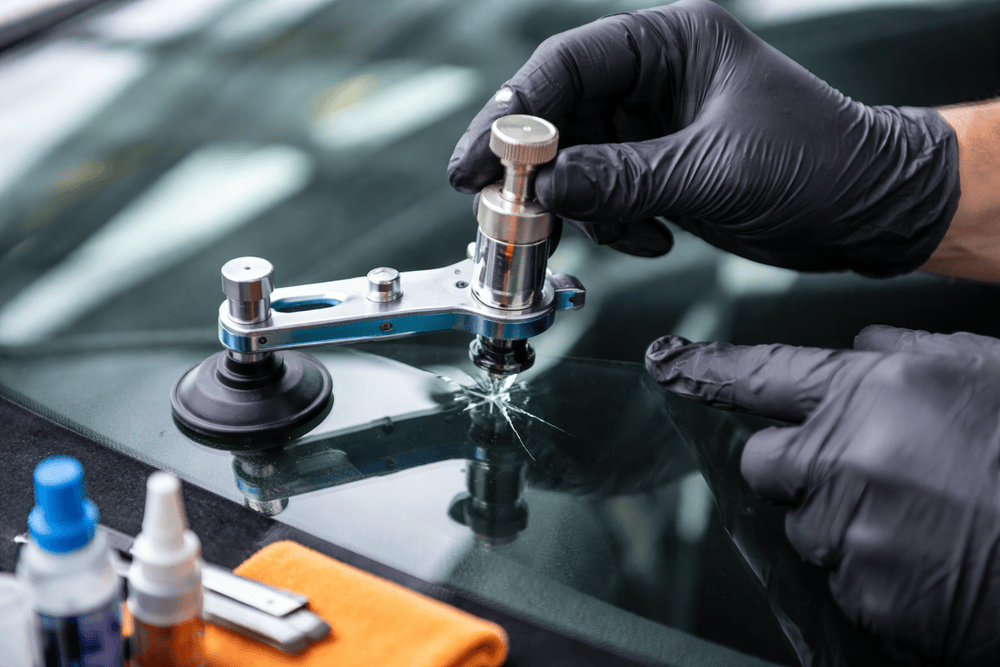
Insurance Mistakes After Broken Windshield Repair
As you’re driving along the highway, taking your time, a passing truck kicks up a chunk of gravel. In an instant, a star-shaped chip or a spiderweb fracture ruins your immaculate view. Your immediate reaction is generally annoyance, followed soon by worry about the logistics. What is the price of this? How long will it take to fix? And, perhaps most confusingly, should you involve your insurance company? Although handling auto glass damage may seem simple, drivers frequently make mistakes when it comes to the insurance aspect of the situation. Not only is a cracked windshield an aesthetic nuisance, but it also poses a risk to safety and costs money.
Get An Auto Glass Replacement Quote Now 866.278.7417

Windshield Replacement & Repair
Our competitors push you into going to their shop to get your glass fixed-making it cheaper for them. We make it easier for YOU to get back on the road by offering free mobile repairs at your home or work. With our free mobile services servicing the entire Orange County & Los Angeles area, we can often handle your windscreen replacement the same day! So the next time you need a windshield replacement, give us a call.
Talk to a Windshield Replacement Specialist Now 866.278.7417

Calibration
Calibration is the process of returning a vehicle’s ADAS to OEM specifications. Calibration is necessary after a new glass installation, particularly a windshield with a camera mounted to it, to ensure that the ADAS features continue to function properly despite having been moved during installation. If a car’s ADAS is not properly calibrated, the system may not function safely. A misaligned camera could jeopardize the functionality of the system and lead to dangerous driving or accidents, so it is crucial that the cameras are aligned perfectly, which is what windshield calibration ensures.
Talk to a Calibration Specialist Now 866.278.7417

Fleet Auto Glass Repair
We provide expert auto glass repair and windshield replacement services for commercial fleets of all sizes. We are experienced with all manufacturers and machine types of domestic or foreign cars, trucks, vans, or commercial vehicles, including heavy equipment. Our same day mobile auto glass and windshield repair service will enable you to get back on the road faster and start saving you time and money instantly. Give us a call today! We are here to help!
Talk to a Fleet Auto Glass Specialist Now 866.278.7417
Claim When the Cost is Below Your Deductible
Reflexively calling their insurance agent to file a claim without first performing the math is one of the most frequent errors made by drivers. This misconception frequently originates from a misunderstanding of how “comprehensive” coverage works vs “collision” coverage.
Comprehensive coverage, which guards against non-collision incidents including theft, weather damage, and falling items (like flying boulders), typically covers windshield damage. Similar to your collision policy, comprehensive policies typically impose a deductible, which is the amount you must personally pay before the insurance coverage takes effect.
The Math Problem: Let’s say a windshield replacement for your specific vehicle costs $400. But you have a $500 comprehensive deductible. If you file a claim, your insurance company will examine the damage, determine the cost is below your threshold, and pay nothing.
Although you now have a claim on your insurance record, you are still liable for the $400 repair bill. While a single glass claim normally won’t spike your rates, having many claims on your record can classify you as a “high-risk” driver over time.
The exception is Zero-Deductible States: There is a huge caveat here. The wisest financial course of action in these circumstances is almost always to file a claim. Before making a choice, always review the specifics of the policy and the legislation in your area.
Ignoring the Chip Until It Cracks
Procrastination is a car owner’s worst enemy. It is simple to glance at a tiny rock chip and think, “I’ll deal with that later.” It’s small, it’s not directly in your line of sight, and you’re busy.
However, temperature variations, road vibrations, and even hitting a pothole can rapidly convert that dime-sized chip into a foot-long fissure. Your options radically change as soon as the harm spreads.
Comparing Repair and Replacement The majority of insurance companies would prefer to cover repairs over replacements. Repairs are cheaper, faster, and maintain the original manufacturing seal of the windshield intact.
If you repair the chip immediately, you can avoid any out-of-pocket expenses. You will need a complete replacement if you wait until it cracks. At that point, your deductible applies (unless you live in one of the states stated above), and you are now out $250 or $500 for an issue that might have been remedied for free.
Letting the Insurer Bully You Into a Specific Shop: When you call to report the damage, your insurance representative could aggressively suggest—or imply you are required—to employ a specific windshield repair chain. They often have “preferred provider” networks. While these shops are usually genuine, they have negotiated prices with the insurer to keep costs low.
Here is the reality: In almost every jurisdiction, you have the legal freedom to choose your repair facility.
Why Choice Matters High-volume chain shops favored by insurers value speed. While many perform a great job, some independent stores could provide stronger warranties, more skilled technicians, or glass of greater quality.
If you have a trustworthy local mechanic or a glass specialist you prefer, you might insist on employing them. The insurance company can tell you that hiring an out-of-network shop will require you to pay the difference in labor rates, but do not allow them to scare you off without researching the facts. The quality of the work is often worth the small difference.
Do you have a Question?
Get An Auto Glass Replacement Quote Now 866.278.7417
Overlooking ADAS Recalibration
Modern automobiles are marvels of technology. Adaptive cruise control, automated emergency braking, and lane departure warnings are just a few of the Advanced Driver Assistance Systems (ADAS) found in modern cars. Often, these systems use sensors and cameras located just behind the windshield.
This complicates windshield replacement greatly. You cannot simply switch the glass and drive away. The cameras must be precisely recalibrated to view through the new glass accurately. Your safety systems may fail if the camera is off by even a millimeter.
The Insurance Mistake: The error here is expecting every glass shop to perform calibration or that your insurance price automatically includes it.
Not all shops do calibration: some affordable glass shops merely swap the glass. You might drive away with a dashboard full of warning lights or, worse, safety systems that silently fail.
The Cost Factor: Recalibration calls for specialized expertise and costly equipment. It can add $300 to $600 (or more) to the cost of the replacement.
When discussing the claim with your insurer, you must clearly ask about the coverage for calibration. Ensure the company you hire is certified to undertake this work and that your insurer has agreed to pay for the complete service, not just the glass.
Glass isn’t all made equal, so don’t demand OEM or OEE glass. When your windshield is changed, there are normally three varieties of glass available:
OEM (Original Equipment Equivalent): This is created by the same manufacturers but doesn’t contain the automobile brand’s insignia. It is usually excellent quality.
Aftermarket: This kind of windshield is made by third-party firms. It fits your car; however, the quality, thickness, and clarity can vary.
Insurance companies naturally prefer aftermarket glass because it is substantially cheaper. However, aftermarket glass occasionally exhibits distortion or waviness, produces more wind noise, or has trouble fitting precisely into the frame.
The Quality and Like Kind Clause
The majority of insurance plans merely guarantee that the car will be repaired using “like kindness and quality.” They will contend that aftermarket glass satisfies this requirement. If you drive a luxury vehicle or a car with complicated ADAS technology (as noted above), aftermarket glass could not work effectively with your sensors.
If you want OEM glass, you typically have to fight for it. Unless your repair shop can confirm that aftermarket glass poses a risk or is not available for your specific car, you may have to bear the additional cost. This headache can be avoided by checking your policy for an “OEM Endorsement” rider before you are in an accident.
Many insurers will keep your rates the same for a single glass claim. But frequency is important. If you file three glass claims in two years, you may experience a rate spike or face non-renewal.
Is a cracked windshield covered by my warranty? Not usually. Defects in workmanship and materials are covered by manufacturer warranties. If your windshield cracks due to stress or a manufacturing error (which is unusual), it might be covered. If a rock hits it, that is deemed road hazard damage and is an insurance concern, not a warranty one.
Can a crack longer than a dollar bill be repaired? The standard rule of thumb used to be the size of a dollar bill (approximately 6 inches). Some professionals can fix cracks up to 12 or 14 inches long thanks to advancements in modern repair technologies.
However, the location matters. If the fracture is in the driver’s line of sight or reaches the edge of the windshield, replacement is usually the only safe option.
Check your policy and drive clear: Even though a broken windshield is an annoyance, it doesn’t have to cost you a fortune. The key to managing the repair process is information. You may make sure your car is restored to its pre-damage state without going over budget by being aware of your deductible, fixing chips quickly, and insisting on correct safety calibration.
Please take a few minutes today to review your auto insurance policy. Verify whether you have specific glass coverage by looking up your comprehensive deductible. A stressful emergency can be reduced to a tolerable nuisance by being aware of these details before a rock strikes your glass.
Why Was My Windshield Claim Denied
Hearing a loud crack while traveling along the highway is stressful enough. But finding out your insurance claim has been denied adds insult to injury. You pay insurance premiums every month expecting coverage when accidents happen, so a refusal letter can feel confused and unfair.
Windshield damage is one of the most common insurance claims that drivers file. From flying pebbles on the expressway to storm debris in your driveway, glass damage happens frequently.
Every day, insurance companies deny a significant portion of these claims, despite the smooth handling of many others. You may steer clear of these dangers by being aware of the reasons why insurance companies reject glass claims.
Whether you are dealing with a minor chip or a spiderweb fracture across your view, knowing the rules of your policy is the first step toward getting that repair covered. Here are the most common reasons windshield claims get refused and what you can do to prevent it.
You Only Have Liability Coverage: The most frequent reason for a claim denial is simply not having the correct sort of insurance.
Most states need liability insurance, which is the bare minimum and only covers damage you make to other people’s property or vehicles. Your car’s damage is not covered. If a rock kicks up and smashes your windshield, liability insurance won’t cover a thing toward the repair.
Usually, complete coating is needed for glass. This kind of insurance covers non-accidental damage to your car, like:
Falling things (tree branches, hail)
Vandalism
Theft
Collisions between animals
Road debris, such as rocks striking glass
The Fix: Check your policy declarations page. If you don’t see “Comprehensive” or “Other Than Collision” listed, it’s likely that you are covering the cost of windshield repairs yourself.
The Repair Cost Is Lower Than Your Deductible
Even if you have complete coverage, the numbers might not be in your favor. The amount you agree to pay out-of-pocket prior to your insurance taking effect is known as your deductible. If you have a $500 deductible and a windshield replacement costs $350, your insurance company won’t write a check.
The repair’s cost is too high for them to cover. This is a regular occurrence because windshield repairs and even full replacements are often quite economical compared to significant bodywork.
The Exception: Some plans have a unique “Full Glass Coverage” endorsement or a zero-deductible glass provision. In locations like Florida, Kentucky, and South Carolina, state rules may even waive the deductible for windshield repair if you have comprehensive coverage.
The Fix: Before filing a claim, receive a price for the repair. Paying it yourself is preferable to risking an increase in premiums for a claim that receives no payment if it is less than your deductible.
The Damage Is Considered “Wear and Tear”: Insurance is not meant to cover the gradual deterioration of a car over time, but rather sudden, unintentional damage.
If your windshield is pitted from years of sandblasting on the highway, or if the seal surrounding the glass is leaking due to old age, your insurer will likely consider this as “wear and tear.” In a similar vein, stress cracks that result from installation mistakes or manufacturing flaws rather than an impact may be rejected or referred to the manufacturer’s warranty.
The solution is to provide accurate information about the cause of the damage. Make sure to specify whether there was a specific incident (such as a rock impact). If the glass is simply old, expect to pay for the maintenance yourself.
Do you have a Question?
Get An Auto Glass Replacement Quote Now 866.278.7417
You Made Use of an Unauthorized Repair Shop
Insurance companies often have a network of preferred repair businesses. While you technically have the freedom to choose your own repair facility in most countries, the insurance company could limit the amount they are ready to pay.
The claim may be partially rejected if you select a high-end auto glass company that bills $800 for a job that the insurer estimates should cost $400. You might be responsible for the difference if they pay the going market rate.
Additionally, the adjuster may completely reject the claim if you move forward with a windshield repair before they have had a chance to examine the damage (if necessary), as they will be unable to confirm the loss.
The solution is to always let your insurance company know before approving work. Whether you decide to use an out-of-network shop, find out whether there are any restrictions on labor rates or component costs.
Late Reporting or Lack of Proof: A claim may occasionally be denied if it is filed too late. Most insurance requires you to report accidents or damage “promptly.”
If you wait six months to report a crack, and that crack has subsequently expanded or the windshield has incurred more damage, the insurer can allege that the damage deteriorated due to your negligence. They cover the initial accident, not the ongoing damage created by ignoring the situation.
Additionally, if you claim the damage was caused by vandalism but didn’t file a police complaint, the insurance may deny the claim owing to lack of evidence.
The Fix: File claims as soon as the damage happens. Always obtain a police report number to back up your claim if the damage is the result of a crime (vandalism).
Protect Your Wallet and Your Windshield
Denied claims are frustrating, but they are generally avoidable with a thorough understanding of your policy. Review your coverage today—specifically your comprehensive deductible—to see if adding a low-deductible glass endorsement makes sense for your budget.
If you currently have a cracked windshield, seek a quote from a reliable glass business first. Compare that amount to your deductible. It would be wiser to avoid dealing with the insurance company at all and preserve your claims history for a later time if the repair is reasonably priced.
Mobile Safe Auto Glass
14241 E Firestone blvd suite 400,
La Mirada, CA 90638
Phone: (562) 608-1154
Toll Free: 1 866 278 7417
Mail: sales@mobilesafeautoglass.com
Get a FREE QUOTE today! You can get a free quote and schedule 24/7 using this free quote wizard.
Mon – Fri 8am – 5pm
Saturday 8am – 1pm
Sunday Closed