What to Expect From Same Day Windshield Repair
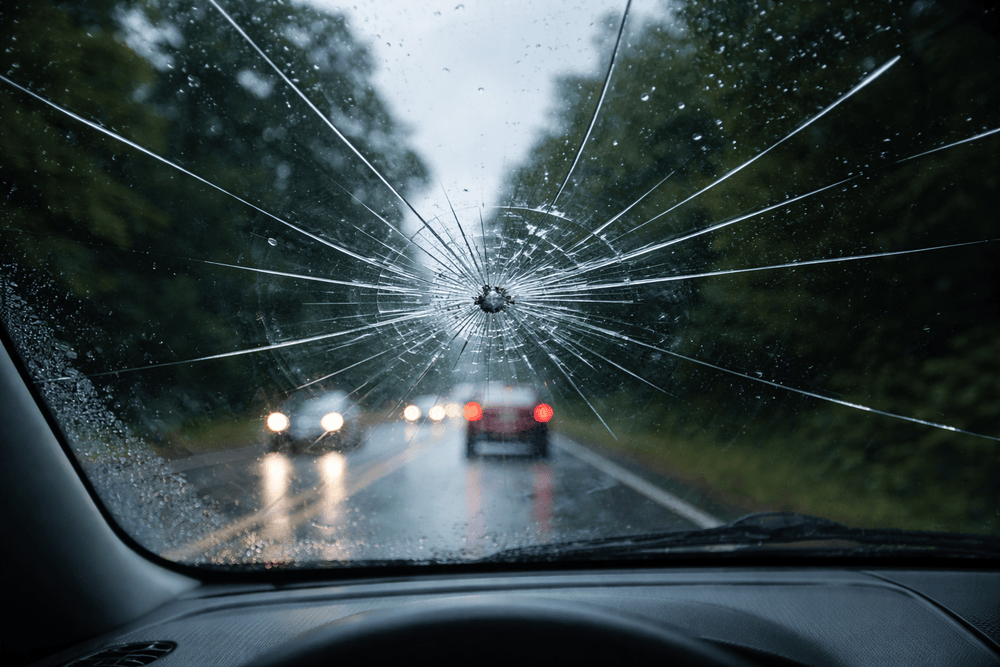
The sound of a pebble striking their windshield with a piercing thwack is a fear shared by every driver. As soon as you look at the glass, you anticipate the worst but hope for the best. It’s there: a bullseye chip or a little starburst crack. Ignoring it may be your initial instinct. After all, you don’t have time for the hassle of scheduling a windshield repair because life is so hectic. But disregarding that modest chip is a gamble. Temperature fluctuations, road vibrations, or simply striking a speed bump can turn a little flaw into a giant spiderweb crack that requires a full windshield repair. The good news is that auto glass technology has evolved tremendously.
Get An Auto Glass Replacement Quote Now 866.278.7417

Windshield Replacement & Repair
Our competitors push you into going to their shop to get your glass fixed-making it cheaper for them. We make it easier for YOU to get back on the road by offering free mobile repairs at your home or work. With our free mobile services servicing the entire Orange County & Los Angeles area, we can often handle your windscreen replacement the same day! So the next time you need a windshield replacement, give us a call.
Talk to a Windshield Replacement Specialist Now 866.278.7417

Calibration
Calibration is the process of returning a vehicle’s ADAS to OEM specifications. Calibration is necessary after a new glass installation, particularly a windshield with a camera mounted to it, to ensure that the ADAS features continue to function properly despite having been moved during installation. If a car’s ADAS is not properly calibrated, the system may not function safely. A misaligned camera could jeopardize the functionality of the system and lead to dangerous driving or accidents, so it is crucial that the cameras are aligned perfectly, which is what windshield calibration ensures.
Talk to a Calibration Specialist Now 866.278.7417

Fleet Auto Glass Repair
We provide expert auto glass repair and windshield replacement services for commercial fleets of all sizes. We are experienced with all manufacturers and machine types of domestic or foreign cars, trucks, vans, or commercial vehicles, including heavy equipment. Our same day mobile auto glass and windshield repair service will enable you to get back on the road faster and start saving you time and money instantly. Give us a call today! We are here to help!
Talk to a Fleet Auto Glass Specialist Now 866.278.7417
The Evaluation Stage
A technician must ascertain whether the glass is recoverable before using any tools on your car. Not every crack is a candidate for repair. Although it has structural constraints, same-day repair aims to prevent damage from spreading. When determining whether a repair is safe, technicians typically consider three factors:
The common rule of thumb in the vehicle glass industry is the “dollar bill test.” If the chip or crack can be entirely covered by a dollar bill, it is typically repairable.
But because of advancements in technology, some specialty businesses can now repair cracks up to 12 or 14 inches long. In general, the best prospects for a quick repair are chips less than a quarter and cracks shorter than three inches.
Depth of Impact: The two layers of glass that make up your windshield are separated by a layer of vinyl resin. This safety feature prevents the glass from shattering into sharp fragments when it is hit.
Only if the damage is limited to the outside layer of glass can it be repaired. The structural integrity is jeopardized, and a complete replacement is required if the rock penetrated the inner layer of glass or the vinyl.
Location of the Crack: Where the rock hit counts just as much as how hard it hit. Two distinct zones are examined by technicians:
Repairs often leave a tiny flaw or distortion in the driver’s line of sight. If this distortion sits squarely in the driver’s perspective, it might create a safety issue by distracting the eye. In these situations, replacement is frequently advised.
The Perimeter: Repairing a break close to the windshield’s edge is dangerous. The edge of the glass helps sustain the vehicle’s roof structure. Cracks here tend to spread rapidly due to tension and vibration, making fixes less likely to hold long-term.
The Comprehensive Repair Procedure
Once the specialist certifies your windshield is a viable candidate for repair, the actual procedure begins. Unlike a replacement, which includes removing the old glass and waiting for heavy-duty adhesives to dry, the repair process is surprisingly short. The majority of appointments last thirty to forty-five minutes. Here is how the magic happens:
Cleaning and Preparation: The damaged area is first cleaned by the expert. They clear the impact site of dampness, debris, and loose glass fragments.
This is a key step because any debris left inside the fracture can prevent the repair glue from bonding correctly or leave a hazy patch in the finished work. If the impact site is uneven, they might use a tiny drill to make a clear path for the resin.
The main component of the repair is injecting the resin. The technician places a specialized instrument—often referred to as an injector or bridge—directly over the chip. Using this instrument, a vacuum seal is produced against the glass.
The air is first drawn out of the fracture by the vacuum. Eliminating the air guarantees that the windshield repair material can fill all of the damage’s tiny cracks and prevents bubbles.
Once the air is gone, the technician injects a specially formulated liquid resin into the void. This resin is meant to simulate the optical qualities and strength of glass.
Curing the Resin: To restore the strength of the windshield, the resin must solidify from its initial liquid state. The technician uses ultraviolet (UV) light to accomplish this.
Depending on the weather and the shop’s equipment, they might utilize a portable UV lamp or simply allow natural sunshine to work on a bright day. This technique hardens the resin in a matter of minutes.
Do you have a Question?
Get An Auto Glass Replacement Quote Now 866.278.7417
Finishing and Polishing
The technician takes out the injector instrument when the resin has completely dried. Typically, the glass’s surface has a tiny bit of extra hardened resin. They scrape this residue away to ensure the surface is flat with the rest of the windshield and then polish the region. The goal is to make the restoration as smooth and unnoticeable as feasible.
Mobile vs. In-Shop Service: Flexibility is one of the key benefits of contemporary vehicle glass repair. Seldom do you have to read out-of-date magazines in a waiting area.
Mobile Service: The majority of respectable glass manufacturers provide mobile units. A technician visits your house, place of employment, or even the parking lot of a supermarket.
They bring all the required tools in their van. Because the repair doesn’t require the rigorous climate control needed for a full replacement adhesive, mobile repairs are just as high-quality as in-shop work, providing it isn’t raining heavily.
In-Shop Service: Taking your vehicle to the shop is still an option, and it may be required in the event of severe weather (such as snow or heavy rain). You will probably be in and out in less than an hour, according to the same timeline.
Will the Crack Go Away? Customers most frequently ask this question. The honest answer is probably not altogether. The primary goal of a windshield repair is structural, not ornamental. The technique is supposed to glue the glass together and prevent the crack from running across your windshield.
Even while the resin makes the surface look better—it usually removes 60% to 80% of the damage—you will probably still notice a tiny imperfection where the rock struck. It could resemble a tiny bit of dirt or a dried-out water stain.
If your major objective is having absolutely flawless glass, a full replacement is the only way to achieve that. But for the majority of drivers, the small flaw is justified by saving hundreds of dollars and maintaining the factory seal on their original windshield.
Costs and Insurance
Same-day repair is nearly always the more cost-effective option. Because repairs are substantially cheaper than replacements, many insurance carriers waive the deductible for windshield repairs.
This implies that if you have comprehensive coverage, you might not have to pay for the repair yourself. The glass company handles the paperwork, invoicing your insurer directly. The out-of-pocket expense is still affordable if you don’t have glass coverage; it usually ranges from $100 to $150, as opposed to $400 or more for a replacement.
Frequently Asked Questions: Can I wash my car immediately after the repair? Yes, in most cases. Since the resin is cured using UV light during the appointment, it is hardened by the time the technician finishes. For the first 24 hours, however, stay away from high-pressure power washers right on the repair site for safety’s sake.
Will the repair affect my heads-up display (HUD)? If the damage is directly in the projection region, the repair’s tiny distortion may cause your HUD to appear fuzzy. Replacement may be the preferred course of action in this particular situation.
What happens if the windshield fractures while being repaired? The crack is very unlikely to spread from the pressure used during the resin injection procedure. It is rare, yet it happens. Reputable establishments will credit the cost of the failed repair toward a full windshield replacement if such an event occurs.
When will I be able to drive my car? You can start driving right now. A repair is road-ready as soon as the technician polishes the glass, in contrast to replacements, which have “safe drive-away times” of an hour or longer to allow adhesives to set.
Avoid Waiting Until It Spreads: Damage to the windshield might be misleading. One day it appears stable, and the following morning a dip in temperature has transformed a dime-sized chip into a half-glass break.
Same-day windshield repair is a service of convenience and prevention. It preserves your original glass, saves you money, and ensures the safety of your car while driving.
If you hear a pebble strike your glass, stop and inspect the damage. If the damage is minor, please arrange for a repair at your earliest convenience. The sooner you take action, the cleaner the windshield repair will be and the lower the likelihood that you will eventually require a complete replacement.
The Actual Process of Windshield Repair
Driving along the highway, you hear a loud snap. A rock, kicked up by the truck in front of you, has found its mark. You look closely at your windshield and find a little, star-shaped flaw directly in your range of vision.
It’s a terrible moment that every driver dreads, but it doesn’t always mean a pricey trip to the technician. Many drivers feel any damage to the glass means the entire windshield needs to be replaced.
Fortunately, contemporary technology enables for effective fixes that save time, money, and landfill space. If the damage is minimal, a repair can restore the structural integrity of the glass and prevent that tiny chip from spiderwebbing across the entire dashboard.
You will feel more comfortable selecting repair over complete replacement if you are aware of the procedure. It isn’t magic, but it is a precise scientific process involving vacuums, pressure, and photochemistry. This tutorial breaks down exactly what happens when a technician works to save your windshield.
Assessing the Damage: Can It Be Saved?: Before any tools contact the glass, a technician must establish if the windshield is a candidate for repair. Not every crack is fixable. Size, depth, and location are the three primary components of the examination.
Size and Depth: Generally, if the chip or crack fits beneath a dollar note (approximately six inches long), it is repairable. Smaller is usually preferable, though.
It also matters what kind of influence it has. While a “star break”—short radial cracks emanating from the impact point—is more difficult to fully fill, a “bullseye”—a circular impact with a cone in the outer layer of glass—is simpler to repair.
The Zones of Danger
Location is key. A repair might not be the best course of action if a crack is right in the driver’s line of sight. While repairs increase clarity, they rarely make the glass look like new. There may still be a tiny distortion, which could produce glare from approaching headlights or distract a motorist.
Additionally, cracks near the edge of the windshield weaken the bond between the glass and the metal frame. The windshield provides up to 60% of a car’s structural strength in a rollover and up to 45% in a front-end collision. The structural integrity is destroyed, and repair is required if the damage weakens the perimeter.
The science behind windshield repair is straightforward: air poses a significant threat. A void—an air pocket between the layers of glass—is created when a pebble strikes your glass. This air pocket generates the visual distraction you observe, reflecting light differently than the surrounding glass.
It must be fixed by removing that air and replacing it with a liquid glue that has been carefully prepared. The refractive index of this resin is the same as that of glass. It efficiently hides the damage by binding the fractured edges together and allowing light to pass through without causing considerable distortion as it cures and hardens.
Do you have a Question?
Get An Auto Glass Replacement Quote Now 866.278.7417
The Process of Repair
Although there are do-it-yourself kits available, professional repair requires specialized equipment made to perform intense pressure and vacuum cycles that basic syringe kits cannot match. Here is what normally happens in a professional shop.
Cleaning the Impact Point: A clean surface is necessary for a good binding. First, the technician cleans the area surrounding the break to get rid of rain repellent, wax, and road filth.
They select loose glass fragments from the impact crater’s center using a probe, a tiny, sharp metal instrument. If moisture is trapped inside the crack (common on wet days), they must evaporate it using a heat tool, as water will repel the glue and cause the repair to fail.
Drilling (The Opening): Sometimes the chip’s opening is too little to properly accept the resin. The technician may carefully broaden the impact point or make a path into the air pocket using a precision drill equipped with a tiny carbide burr. This doesn’t drill through the glass; it only opens the “door” for the resin to enter.
Setting the Bridge: The most well-known tool in the field is the “bridge.” It uses suction cups to mount to the windshield and places an injector directly over the chip. The injector seals against the glass, providing an airtight atmosphere around the damage.
The Vacuum Cycle
Before resin gets in, air must come out. The technician pulls a vacuum by engaging the injector. The brake loses air as a result of this. You might notice the dark, visible lines of the crack starting to disappear as the air is evacuated, even though the area remains empty. This process is an important step because if air is left in the cured resin, bubbles will form, weakening the repair and revealing the damage.
The Pressure Cycle: Once the air is evacuated, the technician switches the tool to a pressure cycle. This drives the liquid resin into the crack.
The fluid is forced into each little crack in the brake by the hydraulic pressure. The technician may “flex” the glass slightly with a probe from inside the vehicle to help the resin flow to the very tips of the star cracks.
Curing the Resin: The anaerobic and photopolymerizable resin used in windshield repair remains liquid until it is subjected to particular ultraviolet (UV) light wavelengths.
Once the crack is completely filled, the bridge is removed. A thicker “pit filler” resin is applied to the surface impact site, and a curing tab (a small piece of plastic film) is placed over it to restrict oxygen, which inhibits curing.
The fix is then exposed to a strong UV lamp. In just a few minutes, the UV light activates a chemical reaction that hardens the resin, turning it into a solid plastic that links the glass together.
Polishing: After the resin hardens, the plastic film is taken away. There will be a little pile of surplus solidified resin on the surface. The technician scrapes this flush with the glass using a razor blade. To make the repair area shine like the surrounding glass, a specific polish is finally applied.
DIY Kits vs Professional Service
You can find windshield repair kits for less than $20 at any auto parts store. Although these kits lack the strength of professional instruments, they employ the same fundamental ideas—resin and a syringe mechanism.
A DIY kit might work sufficiently for a very fresh, simple bullseye chip. However, without a professional-grade vacuum pump, getting all the air out is challenging. If a do-it-yourself repair fails, it’s irreversible.
Once the resin cures, you cannot get it out to attempt again. Your only remaining choice is to have the entire windshield replaced if the crack is still noticeable or spreads later.
Professionals also employ higher-quality resins. Industrial resins are made to resist thermal shock and yellowing over time. Cheap resins often deteriorate after a few years of exposure to the sun.
ADAS and Modern Complexity: Repairing a windshield used to be just about the glass. These days, the focus is on the computer systems that power it. Advanced Driver Assistance Systems (ADAS) are standard on a large number of contemporary automobiles. These include functions like rain-sensing wipers, automated emergency braking, and lane departure warning.
These systems rely on sensors and cameras that are frequently placed right behind the windshield. Even a successful windshield repair may result in a small amount of optical distortion. If that distortion happens to be right in front of a camera lens, it can confuse the car’s computer.
Because of this, the majority of manufacturers forbid repairs in the “camera zone”—the section of glass that covers the sensors. It is highly likely that you will need to replace any rock chips in this location and then recalibrate your safety systems.
Mobile Safe Auto Glass
14241 E Firestone blvd suite 400,
La Mirada, CA 90638
Phone: (562) 608-1154
Toll Free: 1 866 278 7417
Mail: sales@mobilesafeautoglass.com
Get a FREE QUOTE today! You can get a free quote and schedule 24/7 using this free quote wizard.
Mon – Fri 8am – 5pm
Saturday 8am – 1pm
Sunday Closed