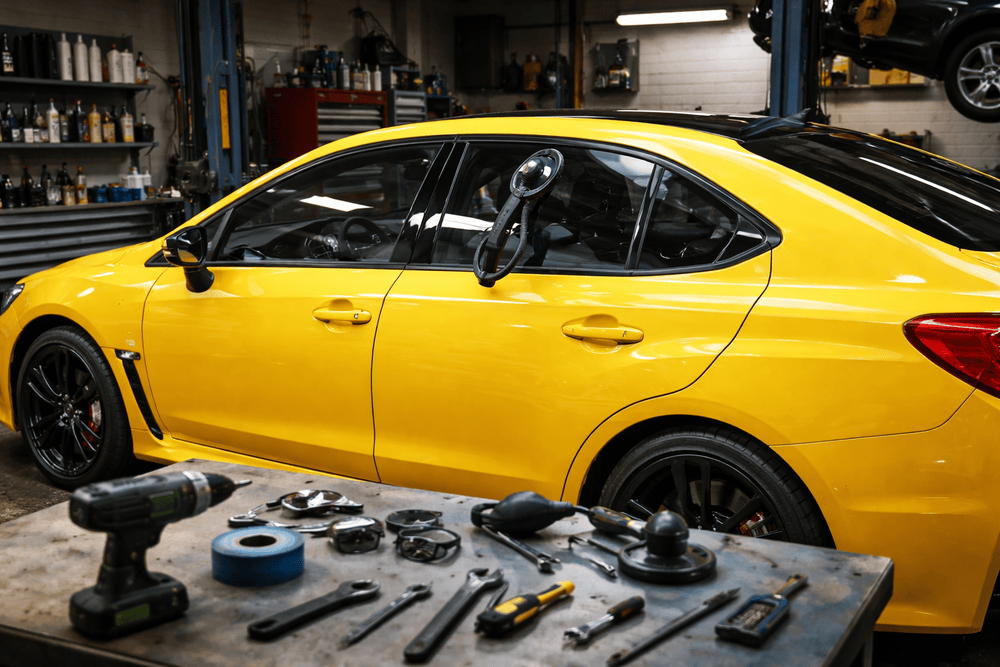
Car Side Window Replacement Cost Prebook Insights
Few things are more frustrating than walking out to your car and finding a side window smashed. Whether it’s from a break-in, a stray baseball, or road debris, the result is the same: stress, a mess of shattered glass, and the immediate need for a fix. Unlike a small chip in a windshield that you might ignore for a few weeks, a broken side window leaves your vehicle vulnerable to theft and weather. It needs attention right away. The first question on most drivers’ minds is simple: How much is this part going to cost me? The answer, unfortunately, isn’t always straightforward.
Get An Auto Glass Replacement Quote Now 866.278.7417

Windshield Replacement & Repair
Our competitors push you into going to their shop to get your glass fixed-making it cheaper for them. We make it easier for YOU to get back on the road by offering free mobile repairs at your home or work. With our free mobile services servicing the entire Orange County & Los Angeles area, we can often handle your windscreen replacement the same day! So the next time you need a windshield replacement, give us a call.
Talk to a Windshield Replacement Specialist Now 866.278.7417

Calibration
Calibration is the process of returning a vehicle’s ADAS to OEM specifications. Calibration is necessary after a new glass installation, particularly a windshield with a camera mounted to it, to ensure that the ADAS features continue to function properly despite having been moved during installation. If a car’s ADAS is not properly calibrated, the system may not function safely. A misaligned camera could jeopardize the functionality of the system and lead to dangerous driving or accidents, so it is crucial that the cameras are aligned perfectly, which is what windshield calibration ensures.
Talk to a Calibration Specialist Now 866.278.7417

Fleet Auto Glass Repair
We provide expert auto glass repair and windshield replacement services for commercial fleets of all sizes. We are experienced with all manufacturers and machine types of domestic or foreign cars, trucks, vans, or commercial vehicles, including heavy equipment. Our same day mobile auto glass and windshield repair service will enable you to get back on the road faster and start saving you time and money instantly. Give us a call today! We are here to help!
Talk to a Fleet Auto Glass Specialist Now 866.278.7417
The Average Cost of Replacement
If you are looking for a ballpark figure, most drivers can expect to pay between $200 and $550 for a side window replacement. But this range is only the beginning.
Prices for older domestic sedans may be at the lower end of that range. Parts are plentiful, and the labor is straightforward. Conversely, if you drive a luxury vehicle, a newer model with advanced technology, or a rare car, the price can easily climb toward $800 or more.
A general breakdown of what you could anticipate paying is provided below:
Standard Economy Car: $200–$350
Mid-Range SUV or Truck: $300–$500
Luxury or High-Tech Vehicle: $500–$900+
It is important to remember that this cost usually includes both the glass itself and the labor required to install it. Unlike windshields, which are often laminated and can sometimes be repaired, side windows are typically made of tempered glass. Tempered glass is made to break into thousands of tiny, dull pieces when struck, preventing injuries. This means repair isn’t an option; full replacement is the only route.
Key Factors That Influence Price
Why does one driver pay $250 while another pays $850 for what looks like the same service?When an auto glass company determines your quote, a number of factors are considered.
The largest factor influencing price is the make and model of your car. A window for a Toyota Corolla is mass-produced and widely available. A window for a Tesla Model X or a vintage Jaguar is not. Luxury manufacturers often use specialized glass that is thicker or has specific acoustic properties, driving up the price of the part.
OEM vs. Aftermarket Glass: Original Equipment Manufacturer (OEM) and aftermarket glass are frequently the options available to you.
OEM Glass: This is produced by the same company that made your car’s original glass. Including the branding, everything is exactly the same as what was shipped from the factory. Although it is the best option, it is also the most costly.
Aftermarket Glass: This type is manufactured by outside businesses to fit your car. It is generally cheaper and meets safety standards, but it may lack the specific logo or slight tint variations of the original.
Power Windows vs. Manual Windows: The mechanism inside your door matters. Replacing glass in a door with a manual crank is usually simpler. However, most modern cars have power windows. If the regulator (the motor that moves the glass up and down) was damaged during the break-in or accident, that part will also need replacing, adding significantly to the labor and parts cost.
Advanced Technology: Modern side windows aren’t just sheets of glass anymore. Many are embedded with technology. If your side mirror or window interacts with sensors, rain detectors, or advanced driver-assistance systems (ADAS), the replacement becomes more complex. Recalibration might be necessary, which requires specialized equipment and training, resulting in a higher final bill.
Do you have a Question?
Get An Auto Glass Replacement Quote Now 866.278.7417
Does Insurance Cover Side Window Replacements
A lot of drivers start by looking at their insurance. Depending on your coverage type, your policy may or may not cover the damage.
Side window damage is typically covered if you have comprehensive coverage. This type of insurance typically handles non-collision events like theft, vandalism, falling objects, or storm damage.
You must, however, balance your deductible against the expense of the repair. It makes no financial sense to file a claim if your deductible is $500 and the replacement cost is $300. You would pay the full repair cost out of pocket anyway, and you risk your premiums going up.
Some policies include specific “full glass coverage” or a zero-deductible glass waiver. If you have this add-on, you are in luck—the replacement should be free or cost a very nominal fee. Prior to arranging a repair, always review the provisions of your insurance or give your agent a call.
Mobile Service vs In Shop Replacement
Convenience is a major selling point in the auto glass industry. Numerous companies provide mobile services, in which a technician replaces the glass in your driveway or parking lot at your house or place of business.
Unmatched convenience is provided by mobile service. You are not required to sit in a waiting area or take time off from work. Some companies charge a small convenience fee (usually $20–$50) for this, while others include it in the price.
In-Shop Service: Taking your car to the shop is sometimes necessary, especially during severe weather (installers need a dry environment) or if your car requires complex vacuuming to remove shattered glass from deep inside the door panel and upholstery.
Both options typically offer the same warranty on the work, so the choice often comes down to your schedule and the weather forecast.
What to Do Immediately After a Break In
It’s startling to find a broken window. By taking the proper actions straight away, you can protect yourself and facilitate the repair procedure.
Document the Damage: Before you clean anything up, take photos. If this was a break-in, you will need these for a police report and potentially an insurance claim.
Secure Your Valuables: Remove any remaining valuables from the car.
Cover the Window: If you can’t get it fixed immediately, cover the opening to protect the interior from rain and wind. While clear crash wrap is ideal, a heavy-duty trash bag and masking tape, which is less likely to damage paint than duct tape, can serve as a temporary solution.
Vacuum Carefully: If you have a shop vac, try to clean up the big pieces of glass from the seats and floor mats so you can drive safely. Be cautious—tempered glass is duller than plate glass, but it can still cut you.
Call for Quotes: Don’t just settle for the first shop you find. Call at least three local providers to compare prices and availability.
Making the Right Choice for Your Vehicle
A broken side window is an unexpected expense, but it doesn’t have to break the bank. By understanding the factors that influence the cost—like your vehicle type and the glass option you choose—you can navigate the repair process with confidence.
Choose a trustworthy store that provides a warranty on their installation, regardless of whether you decide to pay out-of-pocket or submit an insurance claim. Your side windows are integral to your car’s structural integrity and your personal safety, making professional installation worth every penny.
Demystifying Restoration Costs
A burst pipe at 2:00 AM, a smoldering kitchen fire, or a patch of fuzzy mold in the basement. Discovering property damage is stressful enough without the added anxiety of the unknown financial impact. When you receive an estimate for restoration services, the final figure can sometimes come as a shock. However, these costs are rarely arbitrary.
Restoration and repair bills are calculated based on a complex matrix of factors. Unlike purchasing a fixed-price product, the cost of restoring a home varies depending on the severity of the situation. Understanding the three main pillars of cost—damage type, urgency, and location—can help you navigate the process with confidence and avoid sticker shock when the invoice arrives.
The Hierarchy of Damage Types
The nature of the disaster is the most significant predictor of cost. In the restoration industry, damage is categorized by difficulty, health risk, and the equipment required to resolve it.
Water Damage Classifications: Water is the most common cause of property damage, but not all water events are treated equally. Professionals categorize water into three types, each with a distinct price point for remediation:
Category 1 (Clean Water): This comes from a sanitary source, like a leaky faucet or a damaged supply line. If caught quickly, this is the least expensive to remedy because the water poses no immediate health threat. The focus is simply on drying the area.
Category 2 (Grey Water): This water is highly contaminated and may be uncomfortable or unhealthy. Examples include the discharge from washing machines or dishwashers, which frequently contain biological or chemical materials. Stricter safety procedures are needed for the cleanup, which raises the price.
Black water, or Category 3, is an extremely unhygienic liquid. Sewage backups, river flooding, and standing water that has started to foster microbial growth are examples of this. Because this water contains harmful bacteria and fungi, restoration requires full personal protective equipment (PPE), specialized containment, and often the complete removal of affected porous materials like drywall and carpet. The most costly kind of water damage to repair is this one.
Fire and Smoke Complexity: Fire damage bills are rarely about the flames alone. While structural repairs are straightforward to estimate, smoke damage adds a layer of complexity.
Soot Type: An oil-based fire (like a grease fire in a kitchen) creates a sticky, heavy residue that is difficult to clean without smearing. A paper or wood fire creates dry ash that is easier to remove.
Thermal Fogging: Removing the odor of smoke often requires thermal fogging or ozone treatments, which permeate walls and fabrics to neutralize smells at the molecular level. These advanced deodorization techniques add to the final tally.
The Mold Multiplier: Mold remediation is strictly regulated in many areas. Because mold spores can travel through HVAC systems and cause respiratory issues, simply wiping it away is insufficient. The cost includes setting up negative air pressure chambers to prevent cross-contamination, running HEPA air scrubbers, and conducting post-remediation clearance testing to ensure the property is safe.
Do you have a Question?
Get An Auto Glass Replacement Quote Now 866.278.7417
Why Time Is Money
When it comes to property restoration, time is a crucial factor. The urgency of the response influences the cost in two opposing ways: emergency service premiums versus the cost of delay.
The Cost of Waiting: Hesitation is often the most expensive line item on a bill. Damage, particularly from water, is progressive.
Minutes to Hours: Water spreads quickly, soaking into subfloors and wicking up drywall.
24 to 48 Hours: Mold begins to germinate. Wood flooring could begin to cup or warp. Metal surfaces start to get tarnished.
48 Hours and Beyond: What started as a Category 1 clean water leak can degrade into a Category 2 or 3 situation as bacteria multiply. Structural integrity weakens, and “restoration” turns into “reconstruction.”
While calling a professional immediately might incur an after-hours fee, it usually saves thousands of dollars by preventing secondary damage.
Emergency Service Premiums: Disasters rarely happen during standard business hours. If you require a crew to mobilize on a holiday, weekend, or in the middle of the night, you will likely see a premium on labor rates. This rate accounts for overtime pay and the logistics of dispatching a team at a moment’s notice. However, reputable restoration companies will be transparent about these rates upfront.
The Location Factor
Location influences cost on both a macro and micro level. It involves where your home is on the map and where the damage is within your home.
Geographic Variables: Labor and material costs vary significantly by region. A restoration project in downtown San Francisco will cost more than the exact same project in rural Ohio due to the local cost of living, higher wages for technicians, and the price of disposal fees at local landfills. Insurance adjusters typically use software (such as Xactimate) that adjusts pricing based on zip code to ensure fair market value, but regional variances are unavoidable.
Accessibility Issues: If the damage is in a hard-to-reach area, labor costs will rise.
High-Rise Buildings: Getting equipment up twenty flights of stairs or reserving service elevators adds time to the job.
Crawlspaces and Attics: Technicians working in confined spaces often require additional safety gear and take longer to complete tasks due to limited movement.
Containment Difficulties: An open-concept living room is harder to seal off than a single bedroom. Creating effective containment barriers to stop the spread of dust or mold spores in a large, open space requires more materials and labor.
Structural Materials and Drying Time
The materials used to build your home also play a massive role in the final invoice. This is often referred to as the “Class of Destruction” in water damage scenarios.
Class 1 (Least water): Only a small section of a room is wet, and materials have low porosity (like plywood or concrete). This is the quickest and cheapest to dry.
Class 2 (Fast evaporation): Water has affected the entire room and wicked up the walls, but structural members are not saturated.
Class 3 (fastest evaporation): Water has come from overhead (like a ceiling leak), soaking insulation, walls, and ceilings. This requires the most equipment to dry out.
Class 4 (Specialty drying): This type of incident involves materials that hold water deeply, such as hardwood floors, plaster, or brick. These materials require specialized, expensive equipment like desiccant dehumidifiers and mat drying systems to save the flooring rather than ripping it out.
Frequently Asked Questions
Can I lower the cost by doing the cleanup myself?
While you can handle minor spills, DIY cleanup for significant damage is risky. Household vacuums cannot extract water from carpet padding, and consumer-grade fans don’t generate enough airflow to dry the structure behind walls. Improper drying leads to mold, which costs much more to fix later.
Does insurance cover these variable costs?
Most homeowner policies cover “sudden and accidental” damage. This typically includes burst pipes or fires. They typically do not, however, cover damage brought on by carelessness or poor maintenance (such as a slow leak you neglected for months). The “urgency” factor is key here; if you wait too long to report it, your claim could be denied.
Why does the estimate change after work begins?
Restoration estimates are often preliminary. Once technicians open a wall or pull up flooring, they may discover hidden damage—such as pre-existing mold or rotted subflooring—that changes the scope of work and the final cost.
Taking Control of the Situation
You cannot control when a pipe bursts or a storm hits, but you can influence the outcome. The relationship between damage type, urgency, and location dictates the financial reality of restoration.
Speed is your greatest asset. By identifying the type of damage immediately and calling for professional help without delay, you prevent a minor repair job from spiraling into a major reconstruction project. Understanding these cost drivers helps you review estimates with a critical eye, ask the right questions, and ensure your home is restored efficiently and correctly.
Mobile Safe Auto Glass
14241 E Firestone blvd suite 400,
La Mirada, CA 90638
Phone: (562) 608-1154
Toll Free: 1 866 278 7417
Mail: sales@mobilesafeautoglass.com
Get a FREE QUOTE today! You can get a free quote and schedule 24/7 using this free quote wizard.
Mon – Fri 8am – 5pm
Saturday 8am – 1pm
Sunday Closed