Attempts That Increase Cracked Windshield Repair
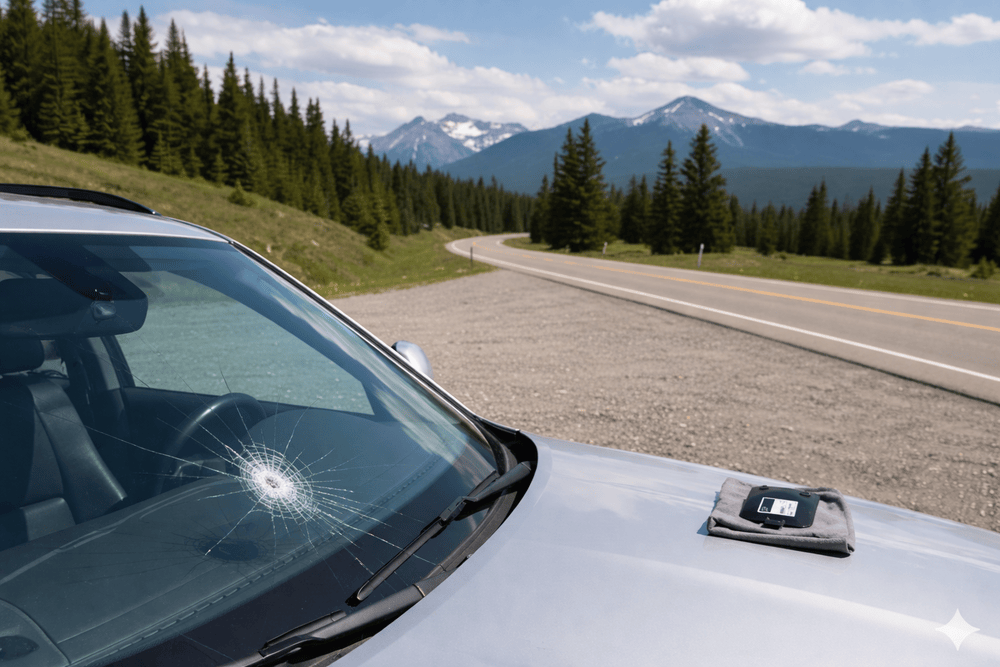
Every driver fears the distinctive “thwack” of a wayward rock striking their windshield. You look at the glass right away, hoping to see nothing. You feel a little sad when you see that little bullseye or starburst chip. At first glance, it appears to be a small imperfection in your range of view. It is quite tempting to ignore it. You can try a “life hack” you saw online to fix it, or you can live with it. Sadly, many well-meaning attempts to fix a broken windshield wind up doing more harm than good. Glass is erratic. It responds to temperature changes, stress, and incorrect handling.
Get An Auto Glass Replacement Quote Now 866.278.7417

Windshield Replacement & Repair
Our competitors push you into going to their shop to get your glass fixed-making it cheaper for them. We make it easier for YOU to get back on the road by offering free mobile repairs at your home or work. With our free mobile services servicing the entire Orange County & Los Angeles area, we can often handle your windscreen replacement the same day! So the next time you need a windshield replacement, give us a call.
Talk to a Windshield Replacement Specialist Now 866.278.7417

Calibration
Calibration is the process of returning a vehicle’s ADAS to OEM specifications. Calibration is necessary after a new glass installation, particularly a windshield with a camera mounted to it, to ensure that the ADAS features continue to function properly despite having been moved during installation. If a car’s ADAS is not properly calibrated, the system may not function safely. A misaligned camera could jeopardize the functionality of the system and lead to dangerous driving or accidents, so it is crucial that the cameras are aligned perfectly, which is what windshield calibration ensures.
Talk to a Calibration Specialist Now 866.278.7417

Fleet Auto Glass Repair
We provide expert auto glass repair and windshield replacement services for commercial fleets of all sizes. We are experienced with all manufacturers and machine types of domestic or foreign cars, trucks, vans, or commercial vehicles, including heavy equipment. Our same day mobile auto glass and windshield repair service will enable you to get back on the road faster and start saving you time and money instantly. Give us a call today! We are here to help!
Talk to a Fleet Auto Glass Specialist Now 866.278.7417
The Trap of Home Remedies
There are a ton of do-it-yourself windshield repair ideas on social media and online forums. They frequently actually seal the fate of your windshield, although they may appear to be ingenious solutions to save money.
Using nail polish or Super Glue: This myth is arguably the most enduring misconception regarding automotive maintenance. It seems reasonable to assume that glue will hold the glass together if it binds other materials together. Nevertheless, clear nail polish and common super glue (cyanoacrylate) are not made for automobile glass.
A specialized fluid with a certain refractive index designed to match the glass and cure under UV radiation is called windshield repair glue. Super glue, meanwhile, shrinks and dries quickly. To restore structural strength, it does not successfully bind with the glass layers.
Even worse, a qualified technician can no longer inject the appropriate resin into a chip once it has been filled with super glue. A specialist will probably need to drill into the glass or suggest a complete replacement because you have essentially blocked the repair path.
Misuse of Do-It-Yourself Repair Kits: Auto parts retailers provide do-it-yourself windshield repair kits that strikingly resemble the equipment used by professionals. Although the chemistry is superior to super glue, application is challenging. These kits work by pressing resin into the fracture after establishing a vacuum to remove air.
It is simple to trap air bubbles inside the break if you are not trained. When the temperature changes, air pockets weaken the repair and make the glass more susceptible to future cracking. Furthermore, the resin won’t hold if it isn’t adequately cured with UV radiation. In most cases, a poorly done DIY kit repair cannot be undone.
Environmental Stressors You May Not See
Sometimes, how you treat the area around the glass causes more harm than what you put on it. A layer of plastic (PVB) separates the two layers of glass that comprise a windshield. Weakening one layer makes it extremely sensitive to strain.
Turning on the air conditioner or defroster: The biggest threat to broken glass is thermal shock. When heated, materials expand, and when cooled, they contract. If you use the defroster on high heat after your car has been sitting in frigid conditions all night, the glass will expand unevenly due to the sudden temperature change.
The stress looks for a release point because a chip has already weakened the structural integrity. The end effect is frequently a crack that spreads over the whole windshield in a matter of seconds. In the summer, blasting ice-cold air conditioning against a hot windshield can have the same shattering effect.
The solution is to gently warm up or cool down the vehicle. Until the internal temperature stabilizes, turn the vents away from the glass.
The High-Pressure Automobile Wash: While a dirty automobile is bothersome, a chipped windshield can be fatal. There are two dangers here.
First, the high-pressure water jets subject the glass to considerable force. The pressure from the stream may push the glass past its stress point or force water into the laminate layer if it strikes a chip directly.
Second, there is still a chance of thermal shock because the water’s temperature frequently varies significantly from the glass’s temperature. Until the glass is fixed, it is safest to wash your car by hand or not at all.
Do you have a Question?
Get An Auto Glass Replacement Quote Now 866.278.7417
Driving Practices That Increase Damage
Your car is subjected to frequent vibration and torsion during your regular drive. A broken windshield finds it difficult to remain stiff, whereas a healthy one can manage this with ease.
Ignoring Potholes and Speed Bumps: A shockwave passes through the car’s frame if your tires strike a pothole or you go over a speed bump too quickly. One of the car’s structural elements is the windshield. The glass absorbs the energy as the frame jars or twists.
One of the system’s weak points is a chip. A sudden shock can create a “runner”—a crack that spreads quickly—from a stationary chip. You can buy yourself some time until you reach a shop by driving carefully and avoiding bumpy roads wherever you can.
Slamming Car Doors: Although it may seem insignificant, slamming a door or trunk causes a brief change in the air pressure within your vehicle. As a result, the glass is suddenly compressed from the inside out. This procedure is frequently the last straw for a neglected crack, especially when combined with the vibration of the slam. One easy habit that lessens stress on the glass is to softly close doors.
The Price of Waiting: Procrastination is an ineffective “attempt” to solve the issue. If the crack hasn’t moved in a week, many drivers believe it will stay still.
This gives them a fictitious sense of security. Over time, dirt, moisture, and washer fluid gradually leak into the fissure. This contamination leaves the inside of the glass looking hazy and unclean, even if the break doesn’t spread right away.
The outcome will probably be fuzzy or discolored if a specialist attempts to fix a tainted chip. The accumulation of moisture may eventually erode the laminate layer, resulting in the glass becoming delaminated (becoming milky or white) surrounding the damaged areas.
When to Repair vs When to Replace
It’s critical to recognize the point at which a repair becomes a necessary replacement.
Repair is typically feasible if:
It’s not as big as a quarter.
It is less than three inches in length.
The driver cannot see the damage right in front of them.
The windshield’s very edge is not where the damage is.
Replacement is probably required if:
It’s longer than a dollar bill.
Both of the glass’s layers are affected.
Age has sandblasted or pitted the glass.
You made an unsuccessful do-it-yourself attempt.
Protect Your Investment: In addition to keeping insects out of your mouth, the windshield also makes sure your airbag deploys properly and supports the roof in the event of a rollover collision. Ignoring the issue or attempting to “hack” a repair puts your safety at risk.
The best thing to do if you see a chip is to cover it with a little piece of clear tape (not to hold it together, but to keep dirt out) and get a professional repair done right away. Since repairs are less expensive than replacements, the majority of insurance policies cover chip repairs with no deductible. A minor stone chip shouldn’t become a major nuisance.
Frequently Asked Questions
I have a shattered windshield; may I get a ticket? Indeed, driving with a cracked windshield is regarded as a safety risk in many areas. You may be punished if the crack blocks the driver’s view or prevents the wipers from working.
What is the duration of a professional windshield repair? It typically takes thirty to forty-five minutes to fix a basic chip. Injecting and curing the resin takes time. It usually takes an hour to replace a windshield completely, plus an additional hour for the adhesive to cure before you can resume driving.
After repair, will the chip fully vanish? No. Repairs are structural rather than aesthetic. Even though the chip will be much harder to see (usually by 80–90%), there can still be a tiny scar or imperfection where the impact happened. Restoring the glass’s strength and stopping the crack from expanding are the objectives.
DIY Windshield Repair: Why Low-Cost Kits Are More Expensive Every driver fears that awful pop. A tiny, star-shaped chip appears in your area of vision as you scan the glass. Probably, your initial reaction is frustration, swiftly followed by a desire to find the least expensive solution.
You can find numerous do-it-yourself windshield repair kits online or with a simple trip to the auto parts store. For less than $15, they guarantee results on par with those of a professional. According to the package, the procedure is simple, quick, and stops the crack from expanding.
It seems like the ideal way to avoid the inconvenience of submitting an insurance claim or a costly trip to the auto glass repair. Experts in auto glass, however, have a different perspective. DIY kits often fail, yet they can function in very specialized, tiny situations.
Even worse, these subpar kits have the potential to transform a chip that can be repaired into an irreparable crack, necessitating the replacement of the entire windshield. It’s important to know the risks and why “saving money” could end up costing you hundreds of dollars before you crack open that blister pack and begin applying resin.
The Science of Repairing Windscreens
You must first comprehend what a windshield is in order to comprehend why inexpensive kits don’t work. A windshield is laminated, as opposed to the glass in your side windows, which breaks into cubes. A layer of polyvinyl butyral (PVB) plastic is placed between two layers of glass.
The exterior layer of glass is typically broken when a rock strikes your windshield, but the interior and plastic layers remain intact. An air pocket is created as a result. Removing the air from the crack and replacing it with a curable glue that fuses the glass back together is the aim of repair.
Vacuum and pressure are two different forces needed for this operation. In order to force the resin into every tiny crack, you need pressure plus a vacuum to remove the air from the break.
The resin will only fill the space if the air is eliminated. Insufficient pressure will prevent the resin from bonding. Expert machinery precisely manages these cycles. Not so with a $15 plastic syringe.
Why Store-Bought Kits Frequently Fail: The do-it-yourself kits that you can purchase at big-box retailers and gas stations seem temptingly easy. Typically, they include a razor blade, a small resin tube, a syringe, and a plastic pedestal. Although the idea resembles expert repair, issues occur during execution.
Poor Resin Quality: Skilled car glass technicians use premium optical resin that is resistant to UV rays and thermal expansion (hot and cold cycles). Low-quality resin used in inexpensive kits frequently turns brittle or yellows over time.
Additionally, different resin viscosities (thickness) are needed for different kinds of breaks. While a “bullseye” may require a thicker filler, a “star break” requires a thinner resin to fit into tight fractures. The “one size fits all” approach used by do-it-yourself kits results in a generic resin that hardly ever matches the precise damage on your glass.
Insufficient Vacuum and Pressure: These kits come with fragile plastic equipment. When using a thumb-operated plunger, it is almost impossible to create the vacuum required to extract air from a tight fissure. Air bubbles stay trapped inside the glass if there isn’t enough vacuum.
Weak spots are produced by these air pockets. That air expands and the glass breaks more when the temperature changes, such as when you turn on the defroster on a chilly morning.
Absence of Curing Equipment: UV light is necessary for resin to solidify. Experts cure the resin under regulated pressure in a matter of minutes using powerful UV lamps.
The sun is essential to DIY kits. The resin may not dry correctly if you park in the shadow or if a cloud passes over, leaving the repair mushy and prone to failure.
Do you have a Question?
Get An Auto Glass Replacement Quote Now 866.278.7417
How DIY Kits Cause Bigger Damage
The greatest danger is not just that the repair may not look good, but also that you might inadvertently damage your windshield in the process.
The “One-Shot” Rule states that auto glass repair is typically a one-time event. The passage is sealed once resin is injected into a chip and cured. A professional can only repair a crack once the resin completely fills it and no air is trapped inside. Their equipment is unable to access the damage because of the solidified DIY resin.
A complete windshield replacement is your only choice if your do-it-yourself project produces a hazy, partially filled chip that is still obtrusive or structurally unsound. You made a $500 replacement out of a $100 fix.
Spreading the Crack: The glass must be compressed throughout the injection procedure. Expert instruments transfer this pressure uniformly and mount firmly to the windshield.
A sticky pad or suction cup that you must manually press down on with a syringe is frequently used in do-it-yourself kits. The glass may break if excessive pressure is applied directly over the chip’s weak spot.
The above scenario is very typical. A dime-sized chip could be your starting point. You could press down on the needle and watch helplessly as a lengthy crack spreads over the glass. The windshield is often trash once the crack is larger than a dollar bill.
When Should You Call a Professional
While do-it-yourself projects have their place, windshields are an essential part of your car’s structural safety. They aid in the deployment of the passenger airbag and support the roof in the event of a rollover. It is risky to compromise this strength. Always get expert assistance if:
You can see the damage: Even a successful repair may result in a small deformation. When driving, you don’t want this right in front of your eyes.
The chip is bigger than a quarter: DIY kits don’t provide the specialist bridging equipment needed for major breaks. Drilling and tapping are necessary to stem the spread of the numerous cracks that are radiating out.
You have comprehensive insurance: A lot of insurance plans offer no deductible and 100% coverage for chip repair. If you do it correctly, it may be free.
The Real Cost of Cutting Corners: When you see the cost of a professional repair, you might cringe. But think about economics. The cost is probably free if you have insurance. A professional repair usually costs between $60 and $130, even if you have to pay for it yourself.
Contrast it with the danger. If your $15 kit doesn’t work, you’ll have to pay for both the kit and a new windshield, which may cost anywhere from $300 to more than $1,000 for cars with sensors and cameras these days.
There’s the safety factor in addition to the financial one. When a windshield is professionally fixed, the glass’s structural integrity is restored. DIY projects don’t provide that assurance.
Make the Safe Decision for Your Vehicle
Your windshield is essential to your road safety, even while the do-it-yourself attitude is commendable. When it comes to glass restoration, there is very little room for error, and the instruments included in inexpensive kits are just not strong enough.
Don’t risk your money or your safety. You might discover that a professional windshield repair is free if you first check your insurance policy. If not, investing in a trustworthy auto glass business will guarantee that the work is done correctly the first time, maintaining the structural integrity of your car and your ability to see the road clearly.
Mobile Safe Auto Glass
14241 E Firestone blvd suite 400,
La Mirada, CA 90638
Phone: (562) 608-1154
Toll Free: 1 866 278 7417
Mail: sales@mobilesafeautoglass.com
Get a FREE QUOTE today! You can get a free quote and schedule 24/7 using this free quote wizard.
Mon – Fri 8am – 5pm
Saturday 8am – 1pm
Sunday Closed