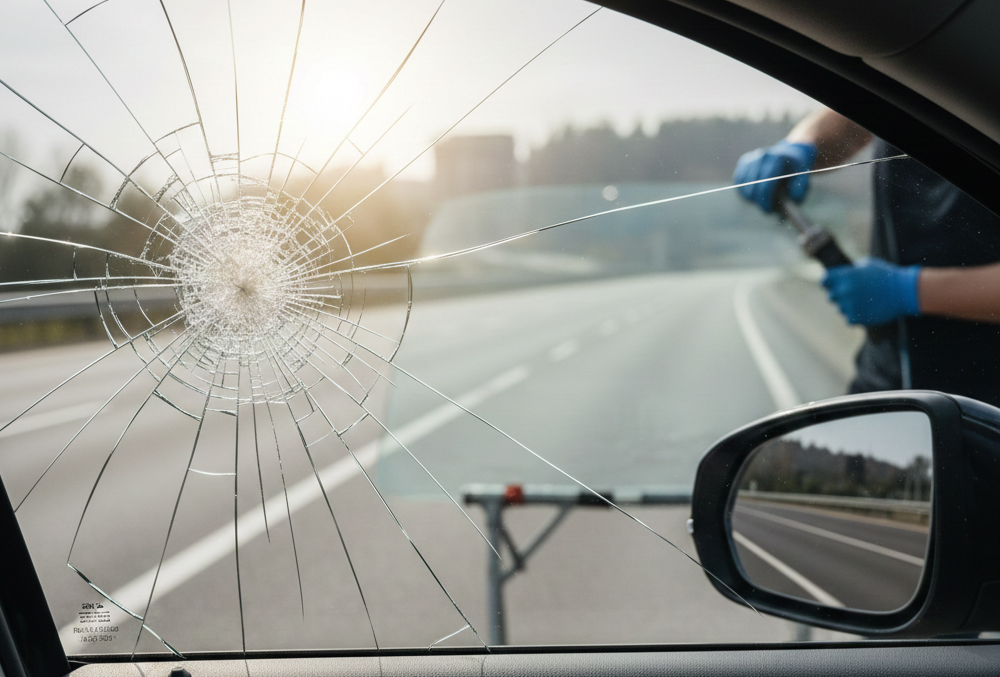
Car Quarter Glass Damage Solutions for Enhanced Road Safety
Despite its tiny size, the quarter glass in your automobile is crucial to both your safety while driving and the structural integrity of your car. This tiny piece of glass is frequently disregarded in favor of the back window or windshield, but if it is broken, it might be a weak spot. Although a chip or crack may seem like a small annoyance, it can jeopardize both your visibility and the security of your vehicle. Ignoring it might result in more serious issues like water leaks, more wind noise, and even making your car a more attractive target for thieves. At the end, you’ll know exactly what to do if you notice a problem with this crucial component.
Get An Auto Glass Replacement Quote Now 866.278.7417

Windshield Replacement & Repair
Our competitors push you into going to their shop to get your glass fixed-making it cheaper for them. We make it easier for YOU to get back on the road by offering free mobile repairs at your home or work. With our free mobile services servicing the entire Orange County & Los Angeles area, we can often handle your windscreen replacement the same day! So the next time you need a windshield replacement, give us a call.
Talk to a Windshield Replacement Specialist Now 866.278.7417

Calibration
Calibration is the process of returning a vehicle’s ADAS to OEM specifications. Calibration is necessary after a new glass installation, particularly a windshield with a camera mounted to it, to ensure that the ADAS features continue to function properly despite having been moved during installation. If a car’s ADAS is not properly calibrated, the system may not function safely. A misaligned camera could jeopardize the functionality of the system and lead to dangerous driving or accidents, so it is crucial that the cameras are aligned perfectly, which is what windshield calibration ensures.
Talk to a Calibration Specialist Now 866.278.7417

Fleet Auto Glass Repair
We provide expert auto glass repair and windshield replacement services for commercial fleets of all sizes. We are experienced with all manufacturers and machine types of domestic or foreign cars, trucks, vans, or commercial vehicles, including heavy equipment. Our same day mobile auto glass and windshield repair service will enable you to get back on the road faster and start saving you time and money instantly. Give us a call today! We are here to help!
Talk to a Fleet Auto Glass Specialist Now 866.278.7417
What Is A Quarter Glass
Quarter glass, often referred to as a valence window, is a little piece of glass on the side of your car that is usually triangular in form. Depending on how your automobile is built, it may be located next to the side-view mirrors on the front A-pillar or behind the back passenger doors.
These were occasionally adjustable in older automobiles to provide more ventilation, but they are nearly always fixed in place in current cars. Despite its small size, quarter glass fulfills several vital purposes in comparison to the bigger windows.
Visibility: By removing blind zones, it allows the driver to see their surroundings more fully. When you are changing lanes or reversing, this is a very important consideration.
Structural Integrity: The quarter glass adds to the overall structural strength of your car’s structure, just like any other auto glass. In the case that the vehicle rolls over, it is essential to maintain the shape of the vehicle and provide support for the roof.
Interior Ambiance: By letting more natural light into the cabin, passengers experience a more spacious and less cramped interior.
Because of these functions, keeping your quarter glass in excellent condition is just as crucial as taking care of your windshield or other windows.
Typical Reasons for Damage to Quarter Glass
Although it is not unbreakable, quarter glass is often resilient. It is susceptible to damage from a variety of sources, some of which may be considered very common.
Effects of Road Debris: The quarter glass is susceptible to being struck by pebbles, dirt, and other material that cars on the road throw up, much like your windshield. A high-velocity impact can readily cause a chip or crack, although it happens less frequently due to its location. Highways and unpaved roads with a high concentration of loose stones are more likely to experience this.
Break-ins and Vandalism: Unfortunately, car burglaries frequently target quarter glass. Because of its modest size, burglars may find it easier and less noticeable to break in than a bigger side window. The glass may sustain serious damage from the force used to shatter it, necessitating a complete replacement. Another regrettable fact is vandalism, which occurs when glass is purposefully broken without stealing anything.
Severe Variations in Temperature: Sudden and drastic temperature changes can stress automotive glass. Glass may expand and contract, for instance, when hot water is used to de-ice a frozen automobile or when a summer day’s high heat is followed by a cold evening. Particularly, if a tiny, undetectable chip already exists, this tension could lead to the growth or deepening of fissures.
Collisions and Accidents: Glass from quarters can be damaged by even little fender-benders. The quarter window may crack or shatter if the impact’s force travels through the car’s frame, even if it doesn’t strike the glass directly. This glass is frequently among the first to shatter in more serious crashes.
Comparing repairs and replacements. You have two main choices if the glass on your quarter is broken: replacement or repair. The choice that is most appropriate is determined on the nature and degree of the injury.
Do you have a Question?
Get An Auto Glass Replacement Quote Now 866.278.7417
When to Fix Quarter Glass
Repairing quarter glass is typically not a practical or advised course of action. In contrast to windshields, which are often made of laminated glass, which is composed of two layers of glass with a layer of vinyl sandwiched in between them, quarter glass is typically made of tempered glass.
To lessen the chance of harm, tempered glass is made to break into tiny, granular, and mostly innocuous bits when struck. This safety feature jeopardizes its structural integrity if it chips or fractures. Repairing tempered glass is usually dangerous and unsuccessful since the damage will probably spread or the glass may break entirely under force.
Because of this, vehicle glass specialists nearly always advise replacing any damaged tempered quarter glass completely.
When Quarter Glass Should Be Replaced: The common remedy for almost all kinds of quarter glass damage is replacement. You ought to choose a substitute if you observe:
Any crack or chip, regardless of size, should be replaced.
The glass is broken.
There are scratches on the glass that make it difficult to see.
Leaks may result from damage to the seal surrounding the glass.
The safety features of your car will be fully restored once the quarter glass is replaced. A new pane of glass will provide the structural stability and unobstructed visibility that a broken or repaired one cannot.
The Procedure for Replacing a Quarter Glass
A skilled car glass expert can usually finish the simple procedure of replacing the quarter glass quickly. What to anticipate is as follows:
Assessment of Damage: The technician will first examine the damage to determine whether a replacement is required and look for any collateral damage to the car’s interior or structure.
The technician will carefully remove any remnants of the shattered tempered glass from the frame. This step involves thoroughly vacuuming the car’s inside and door panels to ensure no shards remain behind.
Frame preparation involves cleaning and removing the old urethane glue from the area where the new glass will be fitted. This guarantees a spotless surface for a robust, long-lasting connection.
Installing New Glass: A brand-new quarter glass piece that satisfies original equipment manufacturer (OEM) requirements is installed. Immediately following the application of a high-quality urethane adhesive to the frame, the new glass is positioned with great care.
Curing and Last Verifications: The glue requires time to solidify into a lasting bond. You will receive guidance from the technician on the “safe drive-away time,” which refers to the period of time that must pass before you are able to drive your vehicle in a secure manner. After the new glass has been cleaned, the technician will conduct a final check to confirm that the installation was carried out without any errors.
Using a reliable company is crucial for this process in order to ensure that high-quality products are used and that the task is completed correctly.
Keeping Your Car Safe
Do not disregard a broken quarter glass as a mere cosmetic problem; it poses a real safety risk. This piece of glass may not look like much in comparison to your windshield or door windows, but it is crucial to the overall stability and safety of your car. In addition to weakening the frame surrounding the affected region and compromising structural stability, cracks, chips, or fractured pieces can also impair your vehicle’s handling performance during abrupt hits or quick bends.
Obtaining a replacement from a qualified specialist as quickly as possible is the most effective line of action to take in order to repair any damage. A skilled expert can guarantee that the glass is positioned precisely as the manufacturer intended, sealed correctly, and fixed firmly. In addition to preserving your car’s structural integrity, this item also keeps your peripheral vision clean, which is crucial for safe driving but sometimes disregarded.
Additionally, a correctly constructed quarter glass shields you from undesired temperature variations brought on by exposure to the outdoors, moisture penetration, internal water damage, and excessive wind noise. Because weak or missing glass makes your car easier to access, ignoring quarter glass damage can also raise the danger of theft or break-ins.
By acting quickly, you’re increasing safety and strengthening the security of your vehicle and averting future, expensive repairs. Don’t undervalue the significance of this tiny but essential part of your car. Contact a reputable vehicle glass expert immediately if you see any chips, cracks, or loose glass. Having it fixed as soon as possible guarantees that your vehicle will always be secure, cozy, and safe.
Vehicle Materials: Steel has been the foundation of the automobile industry for more than a century, giving the vehicles we drive on a daily basis their strength and structure. However, the materials we use to make our cars are changing drastically as a result of technological advancements. To make automobiles lighter, safer, more economical, and more aesthetically pleasing, automakers are now investigating and utilizing a variety of contemporary materials.
This change involves more than merely swapping out outdated components for new ones. It signifies a major shift in the design and production of automobiles. These advancements are changing the driving experience, from self-healing paint that keeps your car appearing like new to feather-light carbon fiber that improves performance.
This study will examine the fascinating field of contemporary car materials. We’ll look at how cutting-edge composites, intelligent alloys, and eco-friendly fabrics are influencing car design in the future and improving road safety and performance. Prepare to discover the potential materials for your next vehicle.
The Drive for Stronger Lighter Automobiles
A greater emphasis has been placed on the search for lightweight materials as a result of the requirement for increased fuel economy and decreased emissions. A lighter automobile uses less energy to move, which results in longer range for electric cars (EVs) and better fuel economy for conventional engines. As stated by the United States of America,” A decrease in vehicle weight of ten percent can result in a six to eight percent increase in fuel economy, as stated by the Department of Energy.
However, safety cannot be sacrificed to lose weight. There is a need that contemporary materials be sturdy enough to protect occupants in the case of an accident. Due to this dual challenge, novel materials that combine the greatest qualities of low density and high strength have been developed.
Composites Made of Carbon Fiber: Carbon fiber, which was previously only seen in supercars and Formula 1 racers, is increasingly being used in consumer automobiles. The acronym CFRP refers to carbon fiber reinforced polymer, which is a composite material that is made up of carbon fibers that are inserted in a plastic matrix layer. As a result, the material is substantially lighter than steel or aluminum while being forceful and rigid.
For instance, BMW used a lot of carbon fiber in their i3 electric vehicle to counteract the weight of the battery pack, resulting in a passenger cell that is both lightweight and stiff. Although the high cost of manufacture has prevented carbon fiber from being widely used, improvements in production are making it a more practical choice for a wider variety of automobiles.
Modern Aluminum Alloys
For many years, aluminum has been a well-liked substitute for steel due to its low weight and corrosion resistance. High-strength aluminum alloys are now stronger than ever thanks to modern developments. These alloys are used to reduce weight without sacrificing structural integrity in engine blocks, body panels, and chassis parts.
The Ford F-150, which is one of the most popular pickup trucks in the United States, underwent the historic switch to an all-aluminum body in the year 2015. By reducing the vehicle’s weight by up to 700 pounds, this modification improved handling, towing capability, and fuel efficiency. This action demonstrated the effective use of lightweight materials in tough, labor-intensive vehicles.
Transforming Automobile Safety: Automobile makers have long placed a high premium on safety, and contemporary materials are essential to making cars safer. Not only are these materials exceptionally durable, but they are also engineered to take in and distribute energy in the case of a collision, therefore protecting the people who are within.
Steel with high strength (HSS): Steel is not falling behind as new materials gain popularity. A new class of steel alloys called Advanced High-Strength Steels (AHSS) provides better strength and durability than traditional steel. To build a strong safety cage around the passengers, these materials are positioned strategically in key portions of the car’s structure, such as the door beams, roof rails, and A and B pillars.
As a result, engineers may utilize lighter, thinner steel gauges in other areas of the vehicle without compromising safety. The final outcome is an automobile that is not only lightweight but also exceptionally safe in the event of an accident.
Do you have a Question?
Get An Auto Glass Replacement Quote Now 866.278.7417
Shape-Memory Combinations
Consider a vehicle that was capable of fixing dents on its own. Shape-memory alloys (SMAs) hold such potential. When heated, these “smart” materials will revert to their former shape despite being distorted. SMAs have the potential to develop self-repairing body panels that might eliminate small dents and dings, even if their use in automobiles is still in its infancy. To lower maintenance expenses and increase vehicle lifetime, researchers are investigating its application in bumpers and other impact-prone regions.
Sustainability and Aesthetics Take over. Contemporary materials provide new opportunities for vehicle design and sustainability in addition to performance and safety. To lessen their environmental impact and provide more aesthetically pleasing interiors, automakers are utilizing cutting-edge materials.
Eco-Friendly Interior Materials: The quest for sustainability has led to the use of eco-friendly materials within the cabin. Many modern automobiles have interiors composed of recyclable and plant-based materials rather than the conventional leather and plastic.
Among the examples are:
Recycled Plastics: Businesses such as Polestar make their upholstery from cloth derived from recycled plastic bottles.
Plant-Based Leathers: Made from materials like pineapple leaves (Piñatex) or mushrooms, these leather substitutes have a plush feel with less of an impact on the environment than animal leather.
Salvaged Wood: Trim made of responsibly sourced or salvaged wood gives door panels and dashboards a hint of organic beauty.
These materials cut down on waste and produce distinctive, contemporary interior designs that appeal to customers who care about the environment.
Self-Healing Paint: Any automobile owner’s worst nightmare is tiny dings and swirl marks. Technology for self-healing paint provides an answer. When this coating is subjected to heat, such as that which is generated by the sun or warm water, the one-of-a-kind polymers are able to flow and cover any little scratches that may be present.
Self-healing clear coatings have already been added to several models by companies like Nissan and Lexus. This method prolongs the automobile’s appearance, boosting its value and reducing the need for cosmetic maintenance.
Your Future Vehicle
More quickly than ever , the materials used to make automobiles are changing. Vehicles that are safer, more efficient, and more aesthetically pleasing than ever before are being made possible by the industry’s transition to lightweight, high-strength, and sustainable materials. These developments are radically altering how we interact with our cars, from the carbon fiber chassis of a racing car to the recycled upholstery in an electric vehicle.
Think beyond the latest infotainment system, the horsepower, and the svelte appearance when you’re making your next automobile buy. The materials your car is composed of subtly influence almost every element of your driving experience, even though these aspects frequently draw the most attention. Materials science is quickly emerging as one of the most important factors in contemporary automobile design, influencing everything from the frame’s strength and interior durability to the vehicle’s overall economy, safety, and sustainability.
Today’s automobiles utilize high-strength steels, lightweight aluminum alloys, complex composites, and environmentally friendly polymers. In addition to improving performance, these materials have been carefully selected to lower emissions, improve crash protection, boost fuel economy, and prolong the vehicle’s lifespan. Technology that promotes quieter cabins, cleaner air, and more intelligent safety systems is even included in the glass, textiles, and coatings.
Mobile Safe Auto Glass
14241 E Firestone blvd suite 400,
La Mirada, CA 90638
Phone: (562) 608-1154
Toll Free: 1 866 278 7417
Mail: sales@mobilesafeautoglass.com
Get a FREE QUOTE today! You can get a free quote and schedule 24/7 using this free quote wizard.
Mon – Fri 8am – 5pm
Saturday 8am – 1pm
Sunday Closed