Car Insurance Windshield Replacement Claim Mistakes
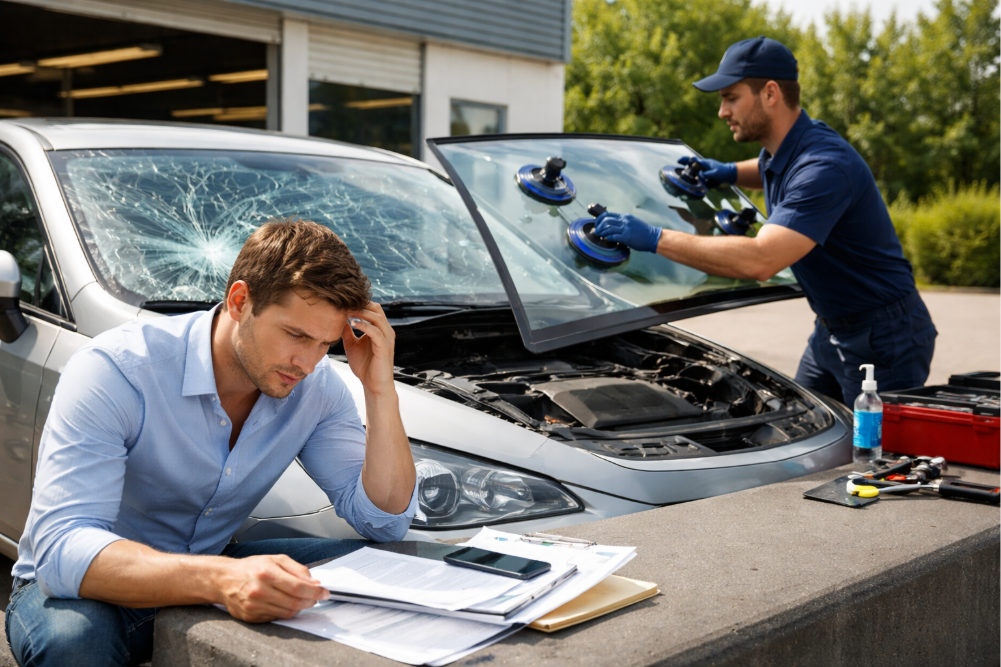
Your daily journey may be immediately ruined by a little pebble thrown up by a passing vehicle. Usually, a little chip or spiderweb fracture appears abruptly after the thunderous slap on your windshield. Your first reaction may be to freak out at the expense. Calling your vehicle insurance company to make a claim is probably your second inclination. The procedure of submitting a windshield replacement claim for auto insurance seems to be simple. A car glass expert installs a new piece of glass after you report the damage and the insurance company authorizes the repair. Sadly, it’s seldom that easy. During the claims process, many drivers unintentionally make crucial mistakes that cost them hundreds of dollars. It takes close attention to detail to navigate the complexities of your vehicle insurance coverage.
Get An Auto Glass Replacement Quote Now 866.278.7417

Windshield Replacement & Repair
Our competitors push you into going to their shop to get your glass fixed-making it cheaper for them. We make it easier for YOU to get back on the road by offering free mobile repairs at your home or work. With our free mobile services servicing the entire Orange County & Los Angeles area, we can often handle your windscreen replacement the same day! So the next time you need a windshield replacement, give us a call.
Talk to a Windshield Replacement Specialist Now 866.278.7417

Calibration
Calibration is the process of returning a vehicle’s ADAS to OEM specifications. Calibration is necessary after a new glass installation, particularly a windshield with a camera mounted to it, to ensure that the ADAS features continue to function properly despite having been moved during installation. If a car’s ADAS is not properly calibrated, the system may not function safely. A misaligned camera could jeopardize the functionality of the system and lead to dangerous driving or accidents, so it is crucial that the cameras are aligned perfectly, which is what windshield calibration ensures.
Talk to a Calibration Specialist Now 866.278.7417

Fleet Auto Glass Repair
We provide expert auto glass repair and windshield replacement services for commercial fleets of all sizes. We are experienced with all manufacturers and machine types of domestic or foreign cars, trucks, vans, or commercial vehicles, including heavy equipment. Our same day mobile auto glass and windshield repair service will enable you to get back on the road faster and start saving you time and money instantly. Give us a call today! We are here to help!
Talk to a Fleet Auto Glass Specialist Now 866.278.7417
Not First Verifying Your Deductible
Rushing to submit a claim without knowing their deductible is one of the most common mistakes drivers make. The amount you have to pay out-of-pocket before your insurance coverage begins is known as your deductible.
The Cost Equation: It makes little financial sense to file a claim if your comprehensive deductible is set at $500 and a whole windshield repair only costs $300 at a nearby auto glass shop.
The repair will not be covered by your insurance carrier, and your insurance history will still reflect the claim. Prior to officially filing a claim with your insurance company, always get a cash quotation from a reliable glass repair business.
Separate Glass Deductibles: For vehicle glass replacement, some insurance plans include a different, reduced deductible. For serious damage, your usual deductible may be $500, but for glass claims, it might be $50 or $100. Examine your insurance documentation carefully to determine your precise financial liability for this particular kind of harm.
Ignoring Free Repair Provisions: It goes without saying that a fully broken windshield has to be replaced. However, a specialist glue may often be used to fix small chips and slight fissures. When a repair would be sufficient, many drivers insist on a complete replacement, which may make the insurance procedure more difficult.
The Dollar Bill Rule: Generally speaking, a technician can probably fix a crack if it is less than a dollar bill. Because repairs are far less expensive than replacements, insurance companies favor them. Many insurance companies will completely waive your deductible if you pick a resin repair rather than a complete glass replacement, encouraging drivers to go with the less expensive alternative.
Making a Needless Replacement
Your insurance may fight back if you insist on a brand-new windshield despite minimal damage. They can demand that you apply your whole comprehensive deductible to the claim or pay the difference in cost. To make sure your insurance pays the bill efficiently, let the car glass specialist evaluate the damage and heed their advice.
Postponing the Reporting Process: When life becomes hectic, it’s simple to overlook a little chip on the passenger side of your windshield. When reporting glass damage to their insurance carrier, drivers may have to wait weeks or even months. This delay is a grave error.
Cracks Spread Quickly: A little chip will enlarge due to temperature changes, uneven terrain, and regular driving vibrations. A little imperfection that might have been repaired for free with resin may develop into a huge fracture that crosses your field of vision. A complete replacement is required after the fracture reaches a certain length.
Insurance Timelines: The majority of vehicle insurance plans include a provision requiring owners to report damage as soon as possible.
The insurance adjuster may argue that your carelessness permitted the damage to become worse if you put off filing your windshield replacement claim for your vehicle for too long. In severe circumstances, they could completely reject the claim on the grounds that you failed to prevent more damage to the car.
Misunderstanding Your Coverage Type: Windshield damage is not covered by every vehicle insurance policy. It is a common misconception among drivers that having basic liability coverage covers their own car.
Comprehensive vs. Liability: In an accident, liability insurance only pays for the harm you do to other people and their property. Your personal car is not covered at all.
You need to have comprehensive coverage in order to make a windshield claim. Theft, vandalism, fallen items, and pebbles striking your car’s glass on the highway are all covered by comprehensive insurance.
State-Specific Glass Laws: The way your glass claim is processed greatly depends on where you reside. Insurance companies are required by law to waive the deductible for windshield repairs in a number of states, including Florida, Kentucky, and South Carolina.
Your windshield replacement should be totally free if you have comprehensive coverage in one of these states. You may avoid inadvertently giving deductible money to a glass business by being aware of your local restrictions.
Do you have a Question?
Get An Auto Glass Replacement Quote Now 866.278.7417
Using an Unlicensed Auto Glass Company
It’s probable that your insurance provider offers a list of approved vehicle glass repair facilities. Going out of the network might cause needless hassles, even though you usually have the legal right to choose your own repair shop.
Network Benefits: Your insurance company has pre-negotiated pricing with preferred retailers. The shop and the insurance often handle the invoicing when you utilize an authorized facility.
You just drive away after dropping off your vehicle and paying your deductible, if any. Additionally, insurance companies usually provide a lifetime guarantee against leaks or flaws on the work of their approved businesses.
Out-of-Network Risks: You may have to pay the whole amount up front and submit the receipt for reimbursement if you choose a store outside of your insurer’s network. Furthermore, you will be responsible for the difference if the out-of-network store charges more than the “prevailing market rate” set by your insurance.
Ignoring Advanced Safety Systems: Contemporary automobiles are basically mobile computers. Your windshield is now an essential part of your car’s Advanced Driver Assistance Systems (ADAS), not simply a piece of glass.
The Need for Calibration
Adaptive cruise control, automated emergency braking, and lane departure alerts are all controlled by cameras and sensors installed on or looking through your windshield. These cameras need to be carefully recalibrated when a windshield is changed to guarantee proper operation. An obstruction on the road may be undetected by a camera that is just a millimeter off.
Ensuring Complete Coverage: Recalibration often doubles the cost of a typical windshield repair, adding a substantial sum to the final price. Make sure that the cost of ADAS recalibration is covered by the claim when you speak with your insurance adjuster about the repair. Avoid taking your car to a glass shop unless they have the particular equipment needed to calibrate the make and model of your car.
Fearing Unjustified Premium Increases: Many drivers refuse to file a car insurance windshield replacement claim because they are terrified their monthly premiums will skyrocket. While filing multiple claims in a short period can flag you as a high-risk driver, a single glass claim rarely causes a severe rate hike.
Comprehensive Claims Impact: Windshield damage falls under comprehensive coverage, which is generally considered “not at fault” damage. Insurers treat comprehensive claims much more leniently than collision claims. A rock flying off a dump truck is entirely out of your control. Most insurance companies will not raise your rates for a single, isolated windshield replacement.
Asking Your Agent: If you are worried about the potential impact on your rates, call your insurance agent before officially filing the claim. Agents can often run a theoretical scenario to tell you exactly how the claim will affect your future premiums. This allows you to make an informed, data-driven decision about whether to use your insurance or pay out of pocket.
Keep Your View Clear and Your Wallet Protected: Handling a damaged windshield does not have to be a stressful or overly expensive ordeal. By taking the time to read your policy documents, understanding your deductible, and acting quickly, you can navigate the claims process with confidence.
Always prioritize safety by getting chips and cracks inspected immediately. Your next step should be to locate your auto insurance declarations page.
Examine the limitations of your comprehensive coverage and see if there are any particular glass deductibles. The next time a rogue pebble attacks your automobile on the highway, you will be well prepared if you are aware of your coverage specifics now.
Preventing Typical Insurance Windshield Replacement Mistakes
Frequently, a broken or cracked windshield appears out of the blue. A strong hailstorm passes through your area overnight, or a wayward pebble jumps off the back of a dump truck on the highway. All of a sudden, you are staring through a web of broken glass.
Fortunately, vehicle insurance is intended to lessen the financial impact of these unforeseen circumstances. Getting your car back in safe, functional condition should be as simple as filing a claim. But it’s seldom as easy as giving your keys and driving away with spotless glass when it comes to the claims procedure.
When replacing their windshields, many drivers make crucial errors. These mistakes may result in unanticipated out-of-pocket costs, poor quality repairs, or even a degraded level of vehicle safety. You may save a great deal of aggravation by being aware of the subtleties of your vehicle coverage and the workings of glass repair.
The most common mistakes car owners make when dealing with insurance-covered windshield replacements are described in this tutorial. You can guarantee a seamless repair procedure, save your finances, and securely resume driving by identifying these hazards early on.
Ignoring Your Particular Coverage: It’s a common and expensive error to assume that windshield damage is automatically covered by all vehicle insurance plans. Insurance coverage varies greatly across policies and providers.
Comprehensive vs. Collision Coverage: Generally speaking, comprehensive coverage covers windshield damage. This tier deals with situations like vandalism, falling branches, and flying debris that don’t entail collisions with another car.
You will probably have to pay for the new windshield out of pocket if you simply have collision or liability insurance. Before filing a claim, check your policy declarations page to be sure you have all the coverage you need.
The Deductible Conundrum
You still need to account for your deductible even if you have comprehensive coverage. The amount you agree to pay before your insurance benefits begin is known as your deductible. It makes no financial sense to file a claim if a new windshield only costs $350 and your comprehensive deductible is $500.
The claim will remain on your insurance history, and you will still have to pay the entire amount. Check your local laws and policy specifics since certain states mandate that insurance providers provide plans with zero-deductible glass coverage.
Ignoring the Differences Between OEM and Aftermarket Glass: Not all car glass is made equally. When it comes time to replace your broken windshield, your insurance company will strongly favor one of two types of glass.
OEM Glass: What is it? The same business that created your car’s original windows also makes Original Equipment Manufacturer (OEM) glass. It is identical to the thickness, color, and characteristics of the factory-installed glass. Because OEM glass ensures a flawless fit and preserves the automobile’s original structural integrity, many car owners prefer it.
Insurance Company Preferences and Aftermarket Glass: Third-party businesses produce aftermarket glass, often known as Original Equipment Equivalent (OEE) glass. It may vary somewhat from OEM glass in terms of thickness or acoustic qualities, but it must adhere to certain safety regulations.
Most insurance plans automatically cover OEE glass for replacements since aftermarket glass is much less expensive. You will be liable for the difference in price if you want OEM glass but your coverage only covers the aftermarket. Before the installation starts, always find out from your adjuster what kind of glass is permitted.
Selecting the Incorrect Auto Glass Repair Company
When you submit your claim, your insurance carrier will probably suggest a particular glass repair business or a network of trusted stores. Many drivers erroneously think that using these particular providers is mandated by law.
The Right to Select Your Repair Shop: You are legally allowed to choose the repair facility of your choice in the majority of countries. Because their preferred networks have pre-negotiated reduced labor and material costs, insurance firms endorse them. It is not required, but selecting a favored shop is easier and often ensures the job via the insurance carrier.
Network vs. Out-of-Network Providers: You may definitely choose a reputable local mechanic or a specialist car glass expert if that’s who you want to deal with. But you have to let your insurance company know about this in advance. You may be required to pay the difference out of pocket if the hourly labor rate at the shop of your choice is more than the “prevailing competitive price” set by the insurance provider.
Ignoring the Calibration of Advanced Driver Assistance Systems (ADAS): Modern cars are basically mobile computers. The windshield is now an essential part of your car’s safety system, not merely a curved piece of glass.
Why Calibration Is Important: Your Advanced Driver Assistance Systems (ADAS) are controlled by cameras and sensors installed on or looking through the windshield. Features including adaptive cruise control, automated emergency braking, and lane departure alerts are managed by these systems.
These cameras are moved when a windshield is changed. Your safety features may become dangerously incorrect or worthless if the sensors miscalculate distances due to even a millimeter of movement. After installing a new windshield, the cameras need to be accurately calibrated.
Do you have a Question?
Get An Auto Glass Replacement Quote Now 866.278.7417
Ensuring Calibration of Insurance Covers
Because the recalibration process requires costly equipment and specialized training, a stunning proportion of drivers and novice glass technicians neglect it. Additionally, calibration fees may be originally left out of the repair estimate by some insurance adjusters. It is imperative that the approved repair order contain ADAS recalibration. Refuse to take the car from the shop unless they provide proof that the calibration was completed successfully.
Waiting Too Long to File a Documented Claim: When it comes to vehicle glass damage, procrastination is a driver’s biggest enemy. A little problem may quickly turn into a serious safety risk and a complicated insurance hassle.
From Chip to Crack: The Price of Delay A little starburst chip from a pebble may not look like much. If you choose to get a little chip fixed instead of replacing the whole windshield, many insurance companies will fully waive your deductible.
But that little chip will soon grow into a huge fracture due to temperature changes, road vibrations, and driving stress. Replacement is required and you will be responsible for paying your deductible if the crack is longer than a dollar bill or blocks the driver’s view. As soon as the harm happens, file a claim.
Poor Communication and Inadequate Documentation: Give windshield claims the same attention as serious collision claims. Inadequate documentation of the damage may result in disagreements concerning the cause of the breakage or claim rejections.
Taking Pictures Prior to Repair
Take good, well-lit photos of the damage from many perspectives before contacting your insurance provider. Take close-ups of the hit location and record the whole windshield.
Report the damage to the authorities right away if it was the result of vandalism or an attempted break-in. Giving your insurance provider formal records and indisputable visual proof expedites the approval process and removes uncertainty.
Frequently Asked Questions (FAQ): Will my insurance premiums go up if I file a windshield claim? Your rate won’t typically soar if you file a single comprehensive claim for a windshield replacement.
Most people consider comprehensive claims to be “no-fault” situations. However, your insurer can identify you as a high-risk client and modify insurance rates if you submit many glass claims in a short amount of time.
Does a windshield repair require me to pay my deductible? Instead of replacing the whole windshield, the glass may often be fixed using a specialty resin if the damage is minor—usually a chip less than a quarter or a break shorter than three inches. Most insurance companies will completely waive your comprehensive deductible since repairs are far less expensive, which encourages you to replace the glass before it breaks.
How much time does it take to repair a windshield? It typically takes one to two hours to physically install a new windshield. But it takes time for the polyurethane glue that was used to hold the glass in place to cure.
The technician’s “Safe Drive Away Time,” which often adds an additional hour or two to the procedure, must be followed. The whole consultation should take three to four hours if your car needs an ADAS recalibration.
Avoid Windshield Replacement Pain
It doesn’t have to be difficult to handle an insurance claim for a shattered windshield. You may steer clear of the typical mistakes that cause so many drivers to make mistakes by being proactive.
Always begin by carefully reading your insurance to comprehend the details of your glass coverage and your deductibles. Choose a trustworthy repair facility that guarantees its services and insist on appropriate ADAS recalibration to stand up for yourself. As soon as possible, record the damage and keep lines of communication open and transparent with your insurance adjuster.
You can make sure your windshield is replaced securely, professionally, and with the least amount of financial damage by being knowledgeable and paying attention to the details. Before the unavoidable pebble hits, check your vehicle insurance policy to find out precisely how your glass coverage is set up.
Mobile Safe Auto Glass
14241 E Firestone blvd suite 400,
La Mirada, CA 90638
Phone: (562) 608-1154
Toll Free: 1 866 278 7417
Mail: sales@mobilesafeautoglass.com
Get a FREE QUOTE today! You can get a free quote and schedule 24/7 using this free quote wizard.
Mon – Fri 8am – 5pm
Saturday 8am – 1pm
Sunday Closed