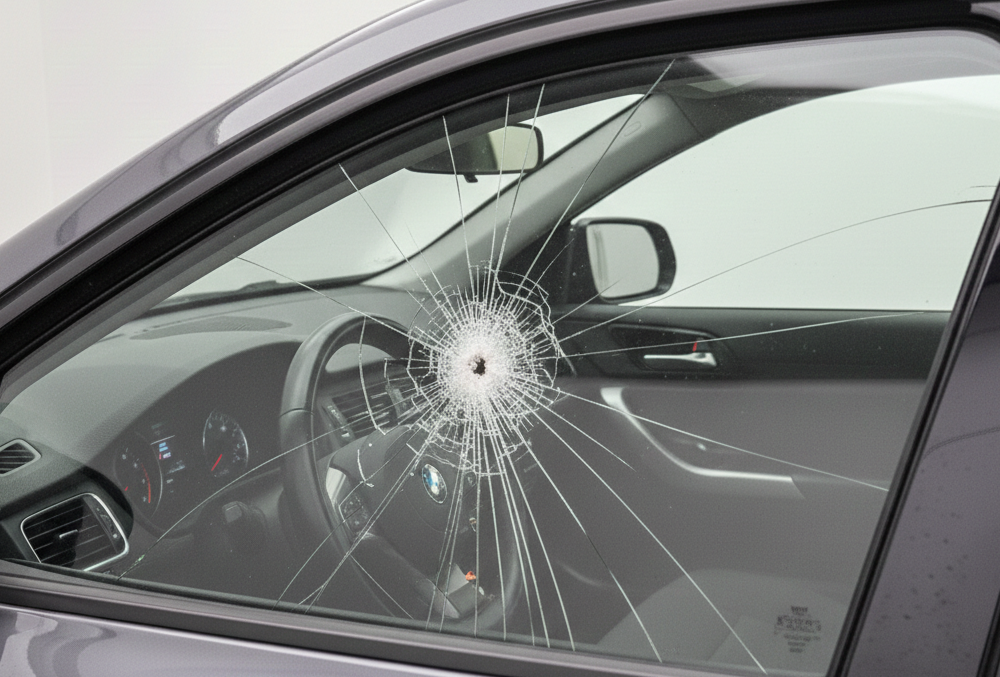
Automobile Window Replacement and Seal Failure Risks
Investing in an automobile involves a substantial financial commitment. Second only to the house, it is possibly the most expensive investment you will ever make. When you sign the final documents, the dealer hands you a big booklet filled with technical terms connected to the guarantee. Most individuals store the documentation in the glove box and forget about it until a warning light appears on the dashboard. Ignoring that booklet is a mistake. If you misunderstand your warranty coverage, you may have to pay hundreds or even thousands of dollars for unexpected repairs. However, knowing exactly what is covered could save you a lot of money in the event of a mechanical failure. The idea that a “warranty” is a global safety net that offers free repairs for anything that breaks is a common misconception. The truth is much more complex. Specific legal agreements with clear time restrictions, mileage constraints, and exclusion lists are known as warranties.
Get An Auto Glass Replacement Quote Now 866.278.7417

Windshield Replacement & Repair
Our competitors push you into going to their shop to get your glass fixed-making it cheaper for them. We make it easier for YOU to get back on the road by offering free mobile repairs at your home or work. With our free mobile services servicing the entire Orange County & Los Angeles area, we can often handle your windscreen replacement the same day! So the next time you need a windshield replacement, give us a call.
Talk to a Windshield Replacement Specialist Now 866.278.7417

Calibration
Calibration is the process of returning a vehicle’s ADAS to OEM specifications. Calibration is necessary after a new glass installation, particularly a windshield with a camera mounted to it, to ensure that the ADAS features continue to function properly despite having been moved during installation. If a car’s ADAS is not properly calibrated, the system may not function safely. A misaligned camera could jeopardize the functionality of the system and lead to dangerous driving or accidents, so it is crucial that the cameras are aligned perfectly, which is what windshield calibration ensures.
Talk to a Calibration Specialist Now 866.278.7417
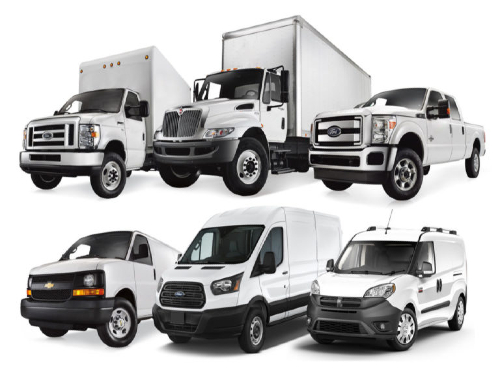
Fleet Auto Glass Repair
We provide expert auto glass repair and windshield replacement services for commercial fleets of all sizes. We are experienced with all manufacturers and machine types of domestic or foreign cars, trucks, vans, or commercial vehicles, including heavy equipment. Our same day mobile auto glass and windshield repair service will enable you to get back on the road faster and start saving you time and money instantly. Give us a call today! We are here to help!
Talk to a Fleet Auto Glass Specialist Now 866.278.7417
The Warranty of Bumper-to-Bumper
Frequently referred to as a “comprehensive warranty” or a “new vehicle limited warranty,” this is the most extensive protection your automobile will ever have and is what most people remember when they hear the word “warranty.”
What it consists of: As the name implies, this coverage includes almost every component between the front and rear bumpers. If a part breaks due to a defect in the material or craftsmanship, the manufacturer will pay for the repairs. This program consists of:
Electronics: navigation systems, power windows, and advanced sensors. Fans, compressors, and condensers are used in heating and cooling systems. Airbags and seatbelts are examples of safety systems.
Suspension: shocks and struts, barring wear-related problems.
Time frame: This warranty is frequently the shortest. The typical periods are 3 years or 36,000 miles, while some manufacturers provide 4 years or 50,000 miles or even longer. When you hit the time or distance threshold, whichever comes first, this comprehensive coverage ends.
The Powertrain Warranty: After the bumper-to-bumper coverage expires, you are not completely on your own. The most expensive and important mechanical parts of the car are covered by the powertrain warranty.
What does it include? Consider the powertrain to be the mechanism that propels the vehicle forward. Coverage usually includes: The cylinder block, timing chains, and oil pump are internal components of the engine. The transmission is composed of gears, a transfer case, and a torque converter.
Drivetrain: axles, driveshafts, and differentials. What is excluded from it? Crucially, the powertrain warranty does not extend to “peripheral” components. If your power window gets stuck or your air conditioner breaks down, you won’t be covered by the powertrain warranty. The massive equipment that powers the wheels is the only use for it.
Time frame: Manufacturers typically offer longer terms for powertrain coverage to demonstrate their confidence in their engineering. The typical term is 5 years (60,000 miles), while certain brands are famous for offering up to 10 years (100,000 miles).
Types of Specialized Coverage
Different parts of your car are covered by a number of specialist warranties in addition to the two main types. Legislation or market competition frequently mandates this.
Emissions Warranty: The federal government mandates that manufacturers offer coverage for pollution control systems. Usually, this is separated into two parts:
The performance warranty will pay for repairs if your car fails an emissions test within the first two years or 24,000 miles.
Defect Warranty: Offers essential components, such as the catalytic converter and engine control module (ECM), coverage for a minimum of 80,000 miles or 8 years.
If your technician concludes that you need a new catalytic converter and your car is six years old, make sure you are aware of this guarantee before making a purchase. Doing so might save you over $1,000.
Warranty against rust and corrosion: This warranty covers rusted-through sheet metal perforations. It typically outlasts the entire warranty and lasts for five years or unlimited miles.
However, “surface rust” caused by scratches or stone chips is usually not covered, so pay attention to the fine print. To create a true hole, the metal typically needs to rust from the inside out.
Do you have a Question?
Get An Auto Glass Replacement Quote Now 866.278.7417
Warranty for EV and Hybrid Batteries
The high-voltage battery is the most costly component of an electric or hybrid vehicle. Manufacturers are required by federal laws to guarantee these batteries for at least one hundred thousand miles or eight years. One state that requires even more comprehensive coverage (10 years/150,000 miles) is California.
What Is Not Included? Regardless of how comprehensive your warranty is, there are some things you will always have to pay for. Defects, not life, are covered by manufacturers. Warranty coverage applies to items that exhibit wear and tear.
Cars are consumable equipment. Parts designed to deteriorate over time are not covered by standard warranties. Unless they are defective, you will always be in charge of servicing the braking rotors and pads.
Tires.
Windshield wiper blades.
In manual transmissions, the clutch linings are utilized.
Light bulbs.
Normal Maintenance: You are responsible for the state of the car. Oil changes, tire rotations, filter replacements, and fluid top-ups are all expenses that must be paid for out of pocket. Some manufacturers provide “complimentary maintenance” as a sales incentive for the first year or two, but this is a separate program and not a guarantee.
Neglect and Damage: If a tree limb falls on your hood, you have an insurance claim rather than a warranty claim. Similarly, if you drive through a deep flood and water enters the engine (hydrolock), the manufacturer will deny the claim. Environmental damage, theft, vandalism, and accidents are all covered by your auto insurance policy.
How Your Warranty Can Be Voided
Just because the car is covered by a warranty doesn’t mean you may handle it anyway you like. Manufacturers have the right—and will—to deny claims if they find evidence of misuse.
Poor Maintenance: This is the most common reason for denial. If your engine seizes up because of old oil sludge and you can’t prove you changed the oil, the guarantee is void. All of your receipts should be saved. Save the oil and filter receipts and record the date and mileage if you do your own maintenance.
Whether you drive a streetcar to a racetrack or a normal automobile off-road, you are engaging in inappropriate use of a vehicle. Dealership mechanics may look for signs of off-road water damage or racing (such melted rubber in the wheel wells) in order to deny a powertrain claim.
The Title of “Salvage”: If an insurance company totals an automobile and it is later rebuilt, the manufacturing guarantee is almost always totally nullified. It is crucial to constantly check the vehicle history record when buying a secondhand car because there is a considerable risk involved.
Aftermarket Modifications: This is a controversial subject. According to the Magnuson-Moss Warranty Act, a manufacturer in the US cannot totally nullify your warranty because you used an aftermarket part or altered the car. They have to demonstrate that the failure was brought on by your alteration.
For example, they will probably deny the claim if you install a big aftermarket turbocharger and the transmission blows apart.
Even though the radio has nothing to do with the problem, you still need to fix the water pump if an aftermarket radio is installed and it breaks down.
Service Contracts vs. Extended Warranties
When the manufacturing warranty expires, you will likely get a barrage of calls and letters about “extending your vehicle’s warranty.” Making a distinction between the two main categories is essential.
Extended Manufacturer Warranties (Ford Protect, Toyota Extra Care, etc.) are sold by the manufacturer. To extend the initial contracts, they usually use factory-certified professionals and parts. They are usually the safest choices for faultless service.
Third-Party Service Contracts: In technical terms, these are not warranties but rather repair insurance policies. They are sold by independent companies. Some are respected, but others are notorious for their difficult claims processes, high deductibles, and strict exclusions. If you decide to go this route, start by reading the contract’s “Exclusions” section and researching the company’s standing.
Frequently Asked Questions: Can I get my warranty back if I sell the car? Generally speaking, yes. Factory warranties belong to the Vehicle Identification Number (VIN), not the individual. If you sell your car after two years, the remaining year of coverage is passed on to the new owner. The car’s resale value rises as a result. Some extended powertrain warranties, like the 10-year/100k offers, might, however, return to a standard 5-year/60k length for the second owner. Always refer to the guidebook.
Do I have to go to the dealership for maintenance in order to keep my warranty? No. You can do it yourself or get your tires rotated and your oil changed by any independent company. As long as you follow the instructions in the owner’s manual and save the paperwork that proves the work was done, your warranty will still be valid.
What is a deductible? Standard factory warranties (bumper-to-bumper and powertrain) typically have a zero dollar deductible. Nothing is paid by you. However, extended warranties and servicing contracts often require you to pay $50 or $100 each visit.
Safeguard Your Investment
You may utilize a car warranty as a potent tool for financial predictability if you understand the limits of the protection it offers. A lot of drivers make the mistake of thinking they have insurance before something breaks, only to find out too late that a repair is not covered by the warranty.
To find out your coverage, don’t wait for a dashboard warning light or a roadside breakdown. Take a few minutes to open your glove box, pull out the warranty booklet, and carefully review the coverage information. Pay careful attention to the exact date of your warranty’s expiration, the components that are not covered, and what exactly qualifies as bumper-to-bumper coverage.
To avoid any surprises later, take note of this information. If you notice a strange noise, vibration, warning light, or performance issue as your coverage term draws to a close, schedule a service appointment right once. Even a minor problem is worth documenting while the guarantee is still in force.
You might be able to avoid an unexpected four-figure bill and get a free repair if you schedule a noise check for 35,900 miles rather than 36,100 miles. By acting early, you can obtain paperwork, authority, and peace of mind.
In the end, warranties protect both your vehicle and your finances. You can benefit more from the coverage you have already purchased the more informed you are. Insurance policies that are well-informed, developed, and immediately implemented are the best available.
The Unspoken Risks of Inadequate Window Bonding
Music is playing as you travel down the highway, enjoying the ride. However, as you speed, you hear a high-pitched whistle coming from the passenger side. The window is firmly rolled up, as you can see. It looks like the door seal is in great shape. So what’s the problem? Although it is not immediately apparent, the bonding agent that secures your windshield or side glass may be the cause.
There is much more to automobile glass than merely protecting your teeth from insects. It is a crucial structural component of modern cars, supporting the roof and assisting in the deployment of airbags. When the bond between the glass and the car frame breaks, either due to poor adhesives, poor installation, or environmental deterioration, a number of issues occur.
What starts off as an annoying whistle can quickly develop into serious safety hazards, water damage, and rust. This article looks at the mechanics of window bonding, failure indicators, and the possible cost of future repairs if you ignore a little leak.
The Role of Adhesive in Car Glass: To understand why bonding fails, we must first understand how it works. In the early days of the automobile, glass was held in place with rubber gaskets. Instead of being chemical, the seal was mechanical. These days, manufacturers use high-modulus urethane adhesives to chemically pinch weld the glass to the metal frame of the car.
This sticky barrier serves three primary functions:
Retention: It keeps the glass physically attached to the car even in the case of a rollover collision.
Sealing: It prevents air, water, and dust from entering the cabin.
Structural Integrity: It enhances suspension performance by stiffening the chassis, which reduces body movement.
Before repairing a windshield, a technician must clean the frame, apply a precise bead of urethane, and apply a primer to prevent rust. The relationship will be at risk if these processes are hurried or done improperly.
The Initial Indication
The most common early sign of a bonding failure is noise. High-speed development or weakening of the adhesive creates microscopic spaces that allow air to be forced through.
This usually manifests as whistling, which is a high-pitched sound that changes in pitch according to your speed. Whooshing a sound that is almost like a window opening. The glass physically vibrates against the frame when you drive over bumps, which makes it rattle.
Many drivers ignore these sounds, attributing them to normal aging of the vehicle or aerodynamics. The seal is breached if the sound is new or becoming louder. Air entering the seal is closely followed by water intrusion.
Water Leaks: As soon as air can flow through the seal, water will inevitably enter. Unlike a burst pipe, a windshield leak is often slow and inconspicuous. The water may not immediately drip onto your dashboard. Instead, the water flows along the A-pillars, behind the dashboard, or beneath the carpets.
Electricity-related damage: Electronics are common in contemporary cars. The Engine Control Unit (ECU), fuse boxes, and miles of cable are all located on your dashboard. These sensitive areas are frequently hit right away by water leaking from a windshield that is not adequately sealed. Sensor failures, intermittent electrical gremlins, or even the inability to start the car could be the result of these problems.
Mildew and Mold: Where water seeps into the carpet padding or headliner, mold grows. This results in a musty smell that is difficult to remove. More importantly, mold spores can cause respiratory issues for the driver and other passengers. By the time you find the mold, there is usually a lot of water damage.
The Long-Term Impact: Perhaps the most harmful consequence of poor window bonding is rust. Unintentional scratches on the paint usually result from a technician replacing a windshield without priming the pinch weld, the metal frame where the glass rests.
Do you have a Question?
Get An Auto Glass Replacement Quote Now 866.278.7417
The Phenomenon of Hidden Rust
Oxidation starts if the urethane seal isn’t airtight, exposing the metal to oxygen and moisture. The pinch weld is eroded as the rust spreads beneath the glass.
You won’t see the rust until it eats through to the visible roofline or A-pillar since it is concealed by the black ceramic band on the glass’s edge, also known as the frit. By then, the window frame’s structural integrity had been lost.
Failure of Structures: There is insufficient solid metal left for the adhesive to adhere to in extreme pinch weld corrosion situations. Because of this, there is a risk that the windshield will separate in a crash. The cost of fixing a corroded pinch weld is significantly more than that of installing a new windshield since it involves taking out the rusted metal and welding in new steel.
Implications for Safety: It’s Not Just About Leaks. Leaks and rust are costly annoyances, but bond failure poses a life-threatening safety risk.
The windshield acts as a backstop for the passenger-side airbag in a front-end accident. The force of the airbag deploying could knock the windshield off of the frame if the connection breaks. The airbag cannot properly position itself to cushion the passenger if it is not supported by the glass.
Furthermore, the windshield contributes up to 45% of the cabin roof’s structural integrity in a rollover collision. The survival area for people may be reduced by a poorly bonded windshield, which makes it easier for the roof to crush inward.
How to Avoid Bonding Errors: Selecting the appropriate service provider and understanding what to look for are the first steps in preventing these problems.
Select Qualified Technicians: Don’t only search for the best deal. Choose stores that use technicians who have earned certification from the Auto Glass Safety Council (AGSC) or other comparable associations. These professionals have received training on how to handle and install chemicals properly.
The “Safe Drive-Away Time” should be observed: It takes time for urethane adhesive to cure. How long this takes depends on variables like humidity and temperature. You may find out exactly how long the automobile has to sit until it is safe to drive from a trustworthy shop. Driving too soon could cause the glass to shift and the seal to break before it has had time to set.
Inquire About Primer: Inquire with the technician about how they handle pinch weld scratches if you are having your windshield replaced. Before using the glue, they should make sure that any exposed metal is covered with a specialist primer.
Be mindful of “shortcuts.”: Be cautious if a mobile technician arrives in the rain or extremely cold weather without any kind of shelter. Extreme temperatures and moisture might weaken the bonding process. It is always best to achieve a flawless seal in a controlled atmosphere.
Pay Attention to the Symptoms
You simply need to pay attention to what your car has to say. Subtle but crucial indicators that anything is amiss with your car’s protective envelope include a new whistle at high speeds, a wet patch on the floor mat following a downpour, or a persistent musty odor inside the cabin. At first, it may be easy to ignore these warning indicators, but they often signal a more serious issue that requires immediate attention.
Poor car window bonding is a dynamic issue rather than a one-time occurrence. A minor water leak or additional wind noise may begin as a minor inconvenience, but it has the potential to quickly escalate into a major structural disaster. Mold development, concealed corrosion, electrical problems, and compromised structural support in the case of a collision can all result from moisture entry.
You can protect the longevity of your car and the safety of all occupants by taking care of wind noise and leaks early on and making sure that any glass replacement or repair is done by trained experts using premium primers and automotive-grade adhesives.
Don’t wait for obvious damage to show up if you think your windshield or side windows may have a weakened seal. Request a professional leak test as soon as you can after taking your car to a trustworthy auto glass shop. This little, preventative investment can preserve the value of your car, keep your ride dry, sturdy, and safe in all driving conditions, and save future expensive repairs.
Mobile Safe Auto Glass
14241 E Firestone blvd suite 400,
La Mirada, CA 90638
Phone: (562) 608-1154
Toll Free: 1 866 278 7417
Mail: sales@mobilesafeautoglass.com
Get a FREE QUOTE today! You can get a free quote and schedule 24/7 using this free quote wizard.
Mon – Fri 8am – 5pm
Saturday 8am – 1pm
Sunday Closed