Daily Temperature Swings Affect Fix Cracked Windshield
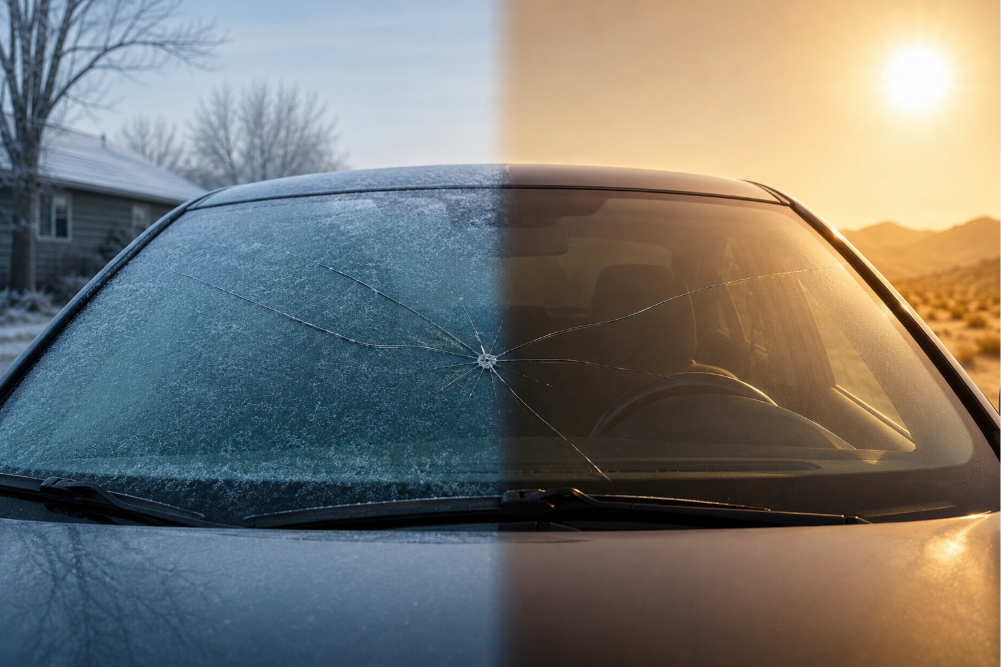
A little chip in your windshield may seem insignificant at first, but one chilly morning it becomes a crack that spans half of the glass. One of the main factors contributing to the development of windshield cracks is daily temperature fluctuations, although most drivers are unaware of the damage until it is too late. This article explains why temperature fluctuations are so damaging to shattered glass, what circumstances hasten the damage, and how to safeguard your windshield before a little chip turns into an expensive repair.
Get An Auto Glass Replacement Quote Now 866.278.7417

Windshield Replacement & Repair
Our competitors push you into going to their shop to get your glass fixed-making it cheaper for them. We make it easier for YOU to get back on the road by offering free mobile repairs at your home or work. With our free mobile services servicing the entire Orange County & Los Angeles area, we can often handle your windscreen replacement the same day! So the next time you need a windshield replacement, give us a call.
Talk to a Windshield Replacement Specialist Now 866.278.7417

Calibration
Calibration is the process of returning a vehicle’s ADAS to OEM specifications. Calibration is necessary after a new glass installation, particularly a windshield with a camera mounted to it, to ensure that the ADAS features continue to function properly despite having been moved during installation. If a car’s ADAS is not properly calibrated, the system may not function safely. A misaligned camera could jeopardize the functionality of the system and lead to dangerous driving or accidents, so it is crucial that the cameras are aligned perfectly, which is what windshield calibration ensures.
Talk to a Calibration Specialist Now 866.278.7417

Fleet Auto Glass Repair
We provide expert auto glass repair and windshield replacement services for commercial fleets of all sizes. We are experienced with all manufacturers and machine types of domestic or foreign cars, trucks, vans, or commercial vehicles, including heavy equipment. Our same day mobile auto glass and windshield repair service will enable you to get back on the road faster and start saving you time and money instantly. Give us a call today! We are here to help!
Talk to a Fleet Auto Glass Specialist Now 866.278.7417
Why Does Temperature Change Cause Glass to Crack
Glass shrinks as it cools and expands when it warms up. This thermal movement is controllable under typical conditions.
However, that structural weak point turns into a fault line when there is already a chip or fracture in the glass. The tension created by the glass’s expansion and contraction around the damaged region forces the fracture apart, sometimes drastically overnight and sometimes by fractions of a millimeter at a time.
This phenomenon, known as thermal stress cracking, may result in damage without very high or low temperatures. A crack that was previously stable may be extended by even a minor change of 30 to 40°F between morning and afternoon.
What Takes Place in a Cold Morning Crack? Glass contracts in cold weather. The two sides of an existing crack in a windshield contract separately and separate from one another as it becomes chilly.
This may produce enough pressure at the fracture’s tip, known as the stress concentration point, to cause the crack to spread further into the glass. This explains why so many drivers discover a crack in their automobile on a chilly morning that wasn’t there the previous evening or that has quadrupled in length since they last checked.
Is It Made Worse by Frost? Indeed. The water expands by around 9% as it turns to ice when moisture seeps into an existing fracture and freezes overnight.
The glass is directly compressed from the interior of the fracture by this expansion. A fracture may be widened and deepened far more quickly by repeated freeze-thaw cycles than by heat stress alone.
What Takes Place with a Crack in the Afternoon Heat
In contrast, heat causes glass to expand. The temperature of a parked car’s windshield may rise significantly beyond the surrounding air temperature on a bright day, particularly in direct sunshine. The two sides of a crack press against one another unevenly as the glass expands, which may cause the crack to change direction or split off into new fractures.
An additional layer of tension is added when you get into a hot vehicle and turn on the air conditioning. A fracture may leap several inches in a matter of seconds due to the instantaneous temperature difference created across the windshield surface by the abrupt rush of cold air striking superheated glass.
Which Seasons and Climates Lead to the Most Damage? In desert areas, daily temperature fluctuations are most severe, whereas in temperate locations, they are most severe in the spring and autumn. Daily fluctuations of 40–50°F are typical in states like Arizona, Nevada, and portions of Texas.
Under a few hours, an automobile parked outside during the day and left overnight under such circumstances may alternate between intense heat and severe cold. In northern states, spring and autumn are also dangerous times of year. While daytime highs reach the 50s and 60s, nighttime lows may fall below freezing.
Thermal expansion and freeze-thaw cycles combine to provide almost perfect conditions for fracture growth. The presence of moisture in humid settings raises the possibility of freeze-related damage during cold snaps.
Do you have a Question?
Get An Auto Glass Replacement Quote Now 866.278.7417
Can Temperature Changes Cause a Crack to Spread
The size and kind of the initial damage, the degree of temperature fluctuations, and whether the fracture is exposed to moisture or direct sunlight all affect how quickly it progresses. However, harm may occur more quickly than most people anticipate.
Within 24 to 48 hours, a chip that has been left unrepaired by a single cold snap with freezing nighttime temperatures may develop into a crack that spans the width of the windshield. The fastest-spreading cracks are often seen close to the glass’s edges.
The useful lesson is that a chip that can be fixed now may not be able to be fixed tomorrow. Depending on the supplier, the majority of windshield repair services can repair cracks up to 6–12 inches in diameter and chips up to roughly 1 inch in diameter. The only choice is complete replacement after a crack goes beyond that range.
How to Prevent Temperature Damage to a Cracked Windshield: While you wait for a chip or crack to be fixed, the following actions might slow down the process:
Park in a garage or somewhere with shade. Keeping the windshield out of direct sunlight lessens the daily heat-cool cycle your glass experiences and lowers peak surface temperatures.
Steer clear of abrupt variations in the car’s temperature. On warmer days, avoid aiming air conditioning vents straight at the glass or blasting hot air over a chilly windshield. The fracture is less stressed by gradual temperature fluctuations.
Put transparent tape over the crack. Although it won’t stop a crack from expanding, a piece of transparent packing tape may keep moisture and debris out of the crack, reducing damage from freezing and keeping the region clean for repairs.
Avoid slamming automobile doors. A slammed door’s vibration may widen a break, especially when there is heat stress, and send a shockwave through the glass.
Get it fixed as soon as you can. Repairing a windshield chip is usually quick, affordable, and often covered by comprehensive vehicle insurance with no deductible. It is seldom worth the risk to wait.
Are Broken Windshields Covered by Auto Insurance
Yes, in a lot of situations. Windshield replacement and repair are often covered if your motor insurance policy has comprehensive coverage. Certain states, including Florida, Kentucky, and South Carolina, mandate that comprehensive insurance coverage include windshield repair with no deductible.
Before making an out-of-pocket payment, it’s worthwhile to review your policy or contact your insurer. Early detection may make the difference between a $0 repair and a $200–$500 bill since a mended chip is much less expensive than a complete windshield replacement.
Protect Your Windshield Before the Next Temperature Swing: Daily temperature variations are what keep a broken windshield ticking away.
The mechanics are simple: tension focuses at each existing fracture and chip, and glass expands in the heat and shrinks in the cold. Even little damage might become a serious issue in a matter of days if it is not fixed.
Don’t wait for the next weather event to decide what to do if you currently have a chip or crack. As quickly as possible, have a professional windshield repair business evaluate it. Most drivers are unaware of how quickly the repair window closes, and once it does, a complete replacement is the only choice.
Common Questions
Is it possible for a cracked windshield to worsen overnight? Indeed. Glass contracts due to cold nighttime temperatures, stressing already-existing fractures and perhaps causing them to widen considerably by morning. The growth of ice within the fissure might hasten the damage if moisture has gotten inside and freezes overnight.
When a windshield cracks, what temperature is too low? Temperatures below freezing (32°F/0°C) are especially dangerous for cracked windshields because they enable moisture within the crack to freeze and enlarge, but there is no set threshold. If the temperature difference from day to night is significant enough, crack growth may occur even at temperatures above freezing.
Can I operate a vehicle with a cracked windshield? The location and size of the crack determine this. In the short term, a tiny chip out of the driver’s line of sight could be safe and lawful, but a crack that blocks the driver’s vision or jeopardizes the windshield’s structural integrity might be hazardous and illegal. Verify your local laws and get it evaluated right away.
Does the temperature affect how quickly windshield cracks spread? Although the mechanisms are different, both may lead to the propagation of fissures. Glass contracts in the cold, separating the edges of cracks. Expansion brought on by heat might move or split an existing crack. Rapid cycling between extremes, such as a frozen windshield struck by hot defroster air or a sun-baked windshield blasted by air conditioning, is the most destructive situation.
How much does it cost to fix a windshield chip? Depending on the extent and nature of the damage as well as if your motor insurance covers it, chip repairs might cost anywhere from $50 to $150. Complete windshield replacement is far more expensive, often costing between $200 and $500 for ordinary cars and more for cars with sophisticated driver-assistance systems integrated into the glass.
Repair a Cracked Windshield Depends on the Weather
Yes, the weather has a big impact on when to fix a broken windshield. Rain or humidity may contaminate the repair site, heat widens fractures more quickly, and cold conditions impede the drying of resin. Repairs should be performed in dry circumstances between 50°F and 90°F (10°C and 32°C) for optimal results.
Up until it becomes dangerous, a little chip in your windshield seems to be safe. When the temperature lowers overnight or the sun beats down on your automobile all afternoon, a little rock hit may quickly spread over your whole field of view in a matter of days. The fracture does not develop by coincidence. The weather causes it to grow.
The majority of drivers are aware that a broken windshield has to be repaired. Fewer are aware that whether or not they solve it at all is almost as important as when they do.
The incorrect circumstances may lead to a repair failing, a resin curing incorrectly, or a chip growing into a whole fracture before the technician even shows up. This document explains how various weather conditions impact windshield replacement and repair, as well as the implications for your scheduling choices.
What Impact Does Temperature Have on Repairing Windshield Cracks? The most important meteorological element affecting the quality of windshield repairs is temperature. The transparent resin used in the majority of professional repairs is injected into the chip or fracture, and its behavior varies greatly based on the temperature.
Why Windshield Repairs Are More Difficult in Cold Weather
Resin thickens and becomes more viscous at low temperatures, usually below 50°F (10°C). It flows less readily into a crack’s fine edges, increasing the likelihood of voids and air pockets. Inadequate resin penetration results in a repair that is both aesthetically unappealing and, more significantly, structurally fragile.
Glass that is cold also shrinks. A fissure that seems stable may close sufficiently to prevent the correct resin injection when your windshield shrinks somewhat in cold weather. However, after the vehicle heats up, the crack may reopen, perhaps tearing the patch apart before it entirely cures.
Nevertheless, skilled professionals are equipped to deal with frigid temperatures. The repair area may be warmed both before and after resin injection using heat lamps and curing lights. Instead of waiting for a great spring day if you reside in a colder location, find out what temperature control methods your specialist uses.
Why Severe Heat Causes Its Own Issues: When temperatures rise over 90°F (32°C), the opposite problem arises. Heat causes resin to cure too rapidly, sometimes before it has completely permeated the affected region. This is further accelerated by UV rays from direct sunshine.
An automobile that has been repaired in the noon heat may have an uneven or hazy finish. Glass expands under extreme heat, which might slightly deepen an already-existing break.
If the automobile has been parked in direct sunshine, a half-inch chip in the morning might be substantially longer by the afternoon. When the car is parked in the shade, the best temperature range for windshield repair is between 50°F and 90°F (10°C and 32°C).
Do you have a Question?
Get An Auto Glass Replacement Quote Now 866.278.7417
Windshield Chip Repair Affected by Rain or Humidity
The enemy of windshield repair resin is moisture. Rain, mist, or excessive humidity may all cause water to leak into a fracture and contaminate the healing site before or during the injection procedure. A hazy, shoddy repair that could need to be repeated occurs when resin binds with moisture instead of clear glass.
What Occurs When You Attempt to Fix a Wet Windshield? Repairing a windshield that has been exposed to rain or morning dew will almost always be unsuccessful. The resin attaches unevenly to the glass because it is unable to efficiently displace water.
This causes a structural and aesthetic failure, leaving white or fuzzy patches in the restored region. The crack has to be totally dry before any repairs are made.
To get rid of any retained moisture, technicians usually utilize compressed air or a heat source. A specialist will often wait until the crack has completely dried, sometimes with the use of a moisture-drawing instrument, if it has recently rained on your windshield.
Even in the absence of apparent moisture, high humidity (over 80%) might hinder curing. For this reason, repairs are often carried out in a controlled indoor setting in excessively humid areas.
Does Cold Weather Make a Crack Worse
Drivers often ask this question, and the answer is unmistakably yes. In cold weather, glass contracts. Any existing cracks or chips experience internal stress due to the contraction caused by a fast reduction in temperature.
After a cold snap, a little chip may grow into a 12-inch fracture overnight due to this tension. Turning on your car’s defroster speeds up the process even more by quickly heating the glass’s inner surface while keeping the outside chilly. The fracture is under tremendous pressure because of the abrupt temperature change.
In a similar vein, heat may cause a crack to widen. When a vehicle is parked in the sun on a warm day, the glass heats unevenly because darker parts of a tinted windshield absorb more heat than lighter ones. This tension pushes an existing fracture deeper along the glass.
The useful lesson is to act quickly if you see a chip or crack. Every notable change in temperature presents a chance for it to expand.
Is Windshield Repair Possible During the Winter? Yes, windshield repairs may be completed in the winter with the correct planning and a qualified technician. Keeping the car indoors or at least out of the wind, heating the repair area to a suitable temperature range, and making sure no moisture has gotten into the crack are the crucial elements.
For this reason, portable heating equipment is usually carried by mobile repair services in cooler areas. When scheduling a repair for the winter, find out from the technician if they can handle cold weather and what measures they take to guarantee a successful outcome.
It’s seldom a smart idea to wait till spring. If a chip is not fixed over the whole winter, it is very likely to develop into a full crack, at which time repair is no longer an option and a complete replacement of the windshield is required.
Does the Weather Affect the Choice
The size, depth, and position of the damage constitute the basic criteria for repair vs replacement, which are unaffected by weather. It does, however, impact urgency.
under excellent circumstances, a tiny chip (less than a quarter) at a repairable area may be mended safely. That identical chip is far more likely to expand into a crack region during inclement weather before it can be fixed.
Damage may be accelerated by heavy rain, hailstorms, and cold snaps, pushing a repairable chip into replacement territory in 24 to 48 hours. Generally speaking, fix chips as soon as possible, before the weather takes over.
Avoid Waiting for Ideal Weather
Most drivers are unaware of how much the weather affects windshield repair, but this shouldn’t be a reason to put it off. Waiting for the “right” circumstances often results in a little, cheap chip growing into a large crack that has to be replaced.
Get it evaluated right away if you see a chip or crack. A skilled expert can assess the damage, take the weather into consideration, and decide if a same-day repair is feasible. The sooner you take action, the more alternatives you have, and the more resilient your repair will be, no matter what the weather does in the future.
Common Questions: Is it possible to fix a broken windshield in the winter? Indeed. If the technician brings the glass and resin to the proper working temperature using heat lamps or portable warming equipment, windshield repairs may be completed in cold weather. Glass that is below 50°F (10°C) should not be repaired without temperature control equipment.
Will rain worsen the fracture in my windshield? A fissure won’t usually widen due to rain alone, but water getting within the gap might pollute the area and reduce the effectiveness of a subsequent repair. Until the injured area can be fixed, it is essential to keep it as dry as possible.
In cold temperatures, how quickly can a crack in the windshield spread? In cold weather, a fracture may expand considerably overnight, often by several inches. The damaged region is directly stressed by the contraction of the glass and the quick temperature fluctuations caused by heaters or defrosters. This is one of the primary reasons it is advised to make repairs right away.
Mobile Safe Auto Glass
14241 E Firestone blvd suite 400,
La Mirada, CA 90638
Phone: (562) 608-1154
Toll Free: 1 866 278 7417
Mail: sales@mobilesafeautoglass.com
Get a FREE QUOTE today! You can get a free quote and schedule 24/7 using this free quote wizard.
Mon – Fri 8am – 5pm
Saturday 8am – 1pm
Sunday Closed