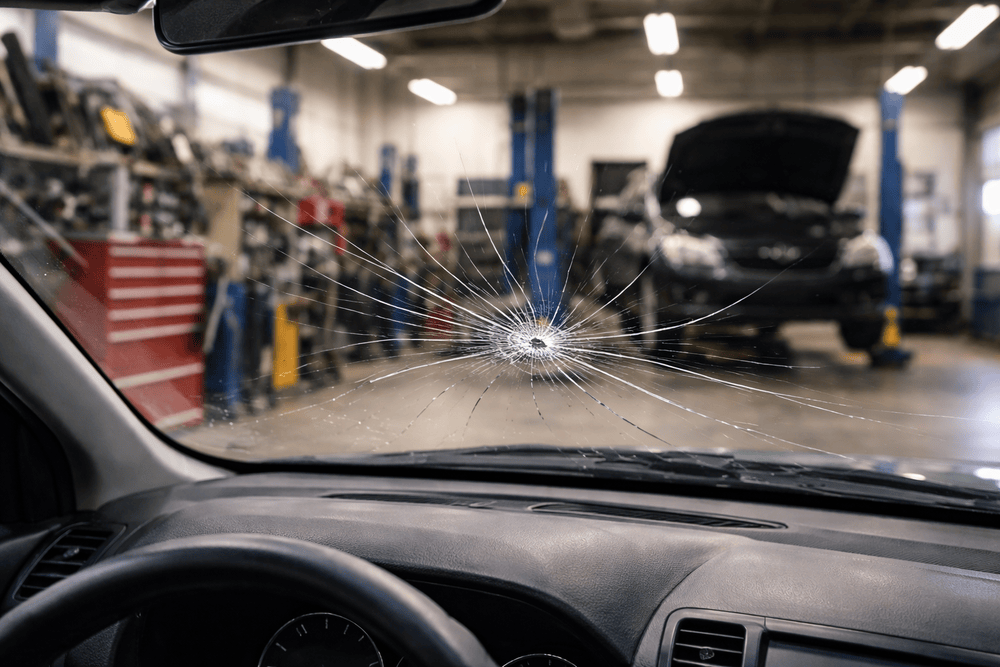
Same Day Windshield Repair Without Seal Damage
A broken windshield not only looks unsightly but also poses a safety risk, necessitating immediate repair. However, the possibility of repair raises two main worries for many car owners: how long will it take, and will the repair jeopardize the factory seal? The factory seal is the initial bond between the glass and the vehicle’s frame, applied by the manufacturer. Because it is infamously difficult to replace once broken, maintaining it is frequently essential for your car’s long-term structural integrity. Fortunately, modern auto glass technology allows for efficient repairs that fully maintain the original seal, often completing the process on the same day.
Get An Auto Glass Replacement Quote Now 866.278.7417

Windshield Replacement & Repair
Our competitors push you into going to their shop to get your glass fixed-making it cheaper for them. We make it easier for YOU to get back on the road by offering free mobile repairs at your home or work. With our free mobile services servicing the entire Orange County & Los Angeles area, we can often handle your windscreen replacement the same day! So the next time you need a windshield replacement, give us a call.
Talk to a Windshield Replacement Specialist Now 866.278.7417

Calibration
Calibration is the process of returning a vehicle’s ADAS to OEM specifications. Calibration is necessary after a new glass installation, particularly a windshield with a camera mounted to it, to ensure that the ADAS features continue to function properly despite having been moved during installation. If a car’s ADAS is not properly calibrated, the system may not function safely. A misaligned camera could jeopardize the functionality of the system and lead to dangerous driving or accidents, so it is crucial that the cameras are aligned perfectly, which is what windshield calibration ensures.
Talk to a Calibration Specialist Now 866.278.7417

Fleet Auto Glass Repair
We provide expert auto glass repair and windshield replacement services for commercial fleets of all sizes. We are experienced with all manufacturers and machine types of domestic or foreign cars, trucks, vans, or commercial vehicles, including heavy equipment. Our same day mobile auto glass and windshield repair service will enable you to get back on the road faster and start saving you time and money instantly. Give us a call today! We are here to help!
Talk to a Fleet Auto Glass Specialist Now 866.278.7417
The Significance of the Factory Seal
Before getting into the repair process, it is crucial to understand why car glass specialists encourage saving the original windshield wherever possible. It is designed to provide the strongest possible bond, eliminating leaks, decreasing wind noise, and ensuring the airbag system functions appropriately during a crash.
Replacing a windshield entails cutting this previous seal and installing a new glue. While high-quality replacements are safe, they introduce variables that aren’t present with the original factory installation.
Human error, humidity, and adhesive quality may impact the new seal. Therefore, if the damage allows it, repair almost always outperforms replacement.
The Same-Day Repair Process Explained: The efficiency of same-day windshield repair is astounding. You can complete it on your lunch break or while running errands because it often takes less than an hour. The typical steps in the procedure are as follows:
The professional first cleans the damaged area. They clear the impact site of any loose glass fragments, dirt, and dampness. A clean surface is needed for the resin to connect well with the glass.
How to Make a Vacuum Over the chip or crack, a specialized tool is affixed to the windshield. This instrument creates a vacuum to pull air out of the brake. Eliminating the air is a crucial step since the repair will be poor and obvious if air bubbles persist.
Resin Injection
Once the air is evacuated, a specially formulated liquid resin is injected into the injured area. This epoxy is meant to have the same optical refraction index as glass, which helps the damage “disappear” once cured. The epoxy fills the small fissures and joins the glass together, restoring its structural strength.
Curing and Polishing: UV light is used to solidify (cure) the resin swiftly. The outcome is a smooth surface and a structurally sound windshield.
When Is a Same-Day Repair Possible? Some cracks require replacing the glass, which would break the seal. Controlling expectations is made easier by being aware of the limitations. Same-day repair is typically a favorable choice if:
Controllable size: Generally, windshield repairs can be completed for chips smaller than a quarter and cracks shorter than three inches. But because of advancements in technology, certain specialty shops are now able to fix lengthier cracks—up to six inches or more—as long as they are straight and clean.
The Location is Safe: Damage that is immediately in the driver’s line of sight can be challenging. A small distortion may remain even after a flawless repair, which might be distracting. Additionally, cracks that reach to the very edge of the windshield impair the structural integrity greatly and generally require a full replacement.
It is shallow in depth. Windshields are constructed of two panes of glass with a plastic layer in between. It is typically impossible to repair damage that extends to the interior glass through the inner layer of plastic.
Do you have a Question?
Get An Auto Glass Replacement Quote Now 866.278.7417
Benefits of Choosing Repair Over Replacement
Beyond simply preserving the seal, choosing a same-day repair over a complete replacement has several clear benefits.
Cost-Effectiveness: Repairs are substantially cheaper than replacements. Often, insurance companies will waive the deductible for a windshield repair, resulting in no out-of-pocket expenses.
Environmental Impact: Due to the laminate layer that separates the glass sheets, windshields are challenging to recycle. By restoring your existing windshield, you keep that non-biodegradable waste out of landfills.
Speed and Convenience: After a replacement, the automobile often needs to sit for a few hours to allow the adhesive to cure before it is safe to drive. A repair, on the other hand, requires no downtime after the operation is accomplished. You can drive away quickly.
Frequently Asked Questions: After correction, will the chip totally vanish? Not necessarily. While the repair restores structural integrity and improves visibility by 80–95%, you may still detect a minor blemish or “scar” where the impact occurred. The purpose is safety and preventing spread, not visual perfection.
After a repair, can I wash my car immediately? Indeed. Since the resin is cured with UV light during the process, it is fully firm by the time you leave the store. You can use your wipers straight away, drive in the rain, or wash your car.
If the repair fails, what will happen? For their repairs, the majority of respectable auto glass stores provide a lifetime warranty. If the fracture spreads from the repaired area, they typically credit the repair expense toward a full windshield replacement.
Is mobile same-day repair available? Yes, for the most part. An additional advantage is that experts can visit your house or place of business to complete the repair because the equipment required is small.
Evaluating Your Damage: Moving quickly is the most important stage in obtaining a same-day repair. Small chips can grow into huge, unrepairable fissures owing to temperature changes (such as blasting the AC on a hot day) or hitting a pothole.
If you see damage, call a professional right away and cover it with a thin piece of clear tape to keep moisture and dirt out. By prioritizing a speedy repair, you save your time, your money, and most importantly, your vehicle’s factory seal.
Why Your Factory Windshield Matters
The loud crack of a stone striking the glass at highway speeds is one of the most heartbreaking sounds a driver can hear. You’re not simply concerned about the aesthetic harm at that moment. You are concerned about the potential loss of your factory-installed glass, the inconvenience of filing insurance claims, and the time required for repairs.
Many car owners view their windshield as a simple, easily replaceable piece of glass. However, advancements in car manufacturing have transformed the once inconspicuous windshield into an essential safety feature. Preserving the integrity of your factory (OEM) glass is important for keeping the structural strength of your car and ensuring your advanced safety systems function correctly.
It takes a combination of safe driving practices, regular upkeep, and contemporary safety measures to keep that original glass in perfect condition. Here’s how to keep your factory windshield safe and clear while safeguarding your investment.
The Value of OEM vs. Aftermarket Glass: It’s important to explain why it’s worthwhile to preserve the glass that comes with your car before talking about protection. OEM stands for Original Equipment Manufacturer.
The factory that created the original glass for the carmaker also makes this glass, which satisfies all safety, thickness, and fit requirements. While aftermarket glass (OEE) is frequently cheaper, it may not fulfill the same strict standards. The variations may be minor yet noteworthy:
Acoustic Quality: To reduce road noise, factory glass frequently has particular acoustic layers. A louder cabin may result from less expensive alternatives.
ADAS Calibration: Modern cars are equipped with Advanced Driver Assistance Systems (ADAS), such as lane-keep assist and automatic emergency braking. Cameras installed behind the windshield are the foundation of these systems. Even a fraction of a millimeter of distortion in aftermarket glass might confuse these sensors, necessitating expensive recalibration or causing safety systems to fail.
Resale Value: Keeping all original components, such as the glass with the manufacturer’s insignia, increases the resale value of luxury and collector cars.
Daily Practices to Avoid Damage
Your driving style serves as your primary protection. Although you have no influence over the quality of the roads, you do have control over how much danger you take.
Modify the Distance You Follow: The most common cause of windshield damage is debris kicked up by the vehicle in front of you.
Construction equipment and gravel trucks are clear dangers, but even a regular sedan can send a stone flying backward if it passes over a loose section of road. You can lessen the speed and chance of an object hitting your glass by increasing your following distance, particularly on highways.
Glass should be handled carefully since it expands and shrinks in reaction to temperature changes. A little chip may grow into a large crack due to stress from abrupt changes.
Winter: A frozen windshield should never be treated with hot water. The temperature shock will likely cause the windshield to crack. Use the defroster on a slow setting and a plastic scraper.
Summer: Avoid blasting ice-cold air conditioning directly onto a windshield that has been frying in the sun for hours. First, let the heated air out by opening the windows.
Best Practices for Upkeep and Cleaning
Sometimes the damage doesn’t come from a rock but from negligence. When driving into the sun or oncoming headlights, “wiper haze”—thousands of tiny scratches—can develop over time as a result of poor maintenance.
Wiper Blade Discipline: As wiper blades deteriorate, they become abrasive. The blade’s metal or rigid plastic spine may slide across the glass once the rubber edge deteriorates.
Every month, check your wipers by lifting them and running your finger along the rubber edge. If it feels harsh or is peeling, please replace it promptly.
Clean the blades: When you wash your automobile, wipe the rubber blades with a moist towel. This gets rid of the road filth and grit that scratch your glass like sandpaper.
The Right Cleaning Fluids: Steer clear of ammonia-containing household glass cleaners. Ammonia can harm the rubber seals surrounding your windshield and cause any aftermarket tint, such as a brow strip, to peel and bubble.
Use a fresh microfiber towel and stick to window cleaners designed specifically for cars. Wood fibers, which are frequently found in paper towels, might eventually leave lint and result in micro-marring.
Do you have a Question?
Get An Auto Glass Replacement Quote Now 866.278.7417
Advanced Protection Options
The car aftermarket offers physical and chemical barriers designed to strengthen glass for those seeking more than just basic upkeep.
Ceramic Coatings and Hydrophobic Treatments: Glass coatings create a slick, non-stick surface. They don’t stop rock chips, but they make it much easier to see during rainstorms by making water roll off and bead up.
More significantly, they keep dirt, insects, and bird droppings from adhering to the glass. This lowers the chance of scratches because you don’t need to scrub as vigorously to clear the windshield.
Windshield Protection Film: This is the maximum level of protection. This is a translucent, multi-layer film that is put on the outside of the windshield and is comparable to Paint Protection Film (PPF), which is used on automobile bumpers. It is made to withstand the impact of rocks and other road debris.
When a stone strikes a covered windshield, the glass underneath stays undamaged, but the film absorbs the energy and may get somewhat marred. These films are much less expensive than replacing a complicated OEM windshield with ADAS sensors, even though they eventually need to be replaced due to wiper wear and tear.
How to Respond in the Event of Damage
A rock could nevertheless find its mark in spite of your best efforts. Your greatest ally in this situation is quickness. A tiny “bullseye” or “star” chip serves as a focus of stress.
That chip will eventually run into a lengthy crack as the car’s chassis flexes over bumps or temperature changes. Once a crack exceeds a few inches (typically the size of a dollar bill), the windshield can no longer be mended and must be replaced.
If you notice a chip, please cover it with a small piece of clear tape to prevent dirt and moisture from entering, and arrange for a professional resin repair at your earliest convenience. A good repair restores structural integrity and retains your premium factory glass.
Commonly Asked Questions: Is OEM glass replacement covered by insurance? Not all the time. Aftermarket (OEE) glass is the sole expense that many standard insurance policies cover. Often, you must either cover the difference yourself or obtain a specific “OEM endorsement” on your insurance policy to ensure factory glass replacement.
Can I polish my windshield to remove scratches? Light surface scratches (such as those from wipers) can occasionally be polished off by a professional using cerium oxide. Deep scratches that snag your fingernail, however, are typically impossible to remove without distorting the glass’s optical properties.
How long does windshield protective film last? Depending on the model and how often the car is used, windshield protection film normally lasts from 1 to 3 years. The longevity is frequently controlled by how much friction the wipers apply to the film surface.
Safeguarding Your View: When driving, your windshield serves as your window to the outside world. Protecting its integrity extends beyond looks; it ensures your safety systems perform as designed and your car retains its worth. By combining defensive driving with proper maintenance and potentially investing in protective coatings, you can ensure your factory glass stays where it belongs—on your car, keeping you safe.
Mobile Safe Auto Glass
14241 E Firestone blvd suite 400,
La Mirada, CA 90638
Phone: (562) 608-1154
Toll Free: 1 866 278 7417
Mail: sales@mobilesafeautoglass.com
Get a FREE QUOTE today! You can get a free quote and schedule 24/7 using this free quote wizard.
Mon – Fri 8am – 5pm
Saturday 8am – 1pm
Sunday Closed